






1. Rethink What a 'Ticket' Means
The single biggest way to blow your budget is chasing tickets to every high-demand match on secondary markets. Instead, play the long game. Participate in official ticket lotteries run by FIFA well in advance—this is your best shot at face-value prices.
If you strike out, don't despair. The real secret is that you don't need a match ticket to have an incredible experience. Most host cities operate massive, free fan zones where thousands gather to watch games on huge screens. These festivals often feature live music, food stalls, and an electric atmosphere that can rival the stadium itself. Prioritize getting tickets for one or two group stage games—which are far more affordable—and then soak in the rest of the tournament at the fan fests. You'll save hundreds, if not thousands.
2. Master the Art of Accommodation
Stadium-adjacent hotels will have surge pricing that can break a budget in a single night. The savvy traveler looks elsewhere. Consider staying in a neighborhood with good public transit access, even if it's 30-45 minutes away from the venue. The savings can be dramatic. Look into budget-friendly hotel chains, hostels, or even university dorms, which often rent out empty rooms in the summer for a fraction of the cost of a hotel. For the 2026 World Cup in North America, this is especially key. Instead of staying in Manhattan for a New Jersey match, look at options in Newark or Jersey City. Planning a trip to Dallas? Consider hotels in Fort Worth. A little commute can save you a fortune.
3. Be Strategic About Location
Not all host cities are created equal when it comes to cost. For the 2026 World Cup, for example, daily expenses in cities like New York or Vancouver are projected to be significantly higher than in places like Kansas City, Houston, or the host cities in Mexico. If your main goal is to simply be there, consider centering your trip around matches in more affordable locations. This not only saves you money on lodging and food but also provides a different cultural experience. Basing your trip in one regional cluster of cities—like the pairing of Seattle and Vancouver or Dallas and Houston—can also minimize expensive cross-country flights.
4. Embrace Ground Transportation
With host cities spread across a continent, as they are for the 2026 World Cup, flights can add up. But they aren't your only option. For city pairings in the Northeast like New York and Philadelphia, Amtrak trains are often faster and cheaper than flying, once you factor in airport time and costs. Between other cities, luxury buses offer a comfortable and surprisingly affordable alternative. Once you're in the city, resist the urge to rely on ride-sharing apps, especially on match days when surge pricing is guaranteed. Familiarize yourself with the local public transit system. A subway or bus pass for the week is a quintessential part of the local experience and will always be your most cost-effective option.
5. Eat and Drink Like a Local
Stadiums and official fan zones are notorious for overpriced, mediocre food and drinks. A key part of experiencing a new city is through its cuisine, and that rarely happens inside a venue. Make it a rule to eat away from the main tourist drags and stadium perimeters. Follow the locals to food trucks, neighborhood markets, and hole-in-the-wall restaurants. Not only is this where you'll find the most authentic and delicious meals, but it’s also where your money will go furthest. If your accommodation has a kitchen, even a small one, use it. Stocking up on breakfast items and snacks at a local grocery store can save a surprising amount of cash over the course of a week.
6. Redefine the 'Once-in-a-Lifetime' Experience
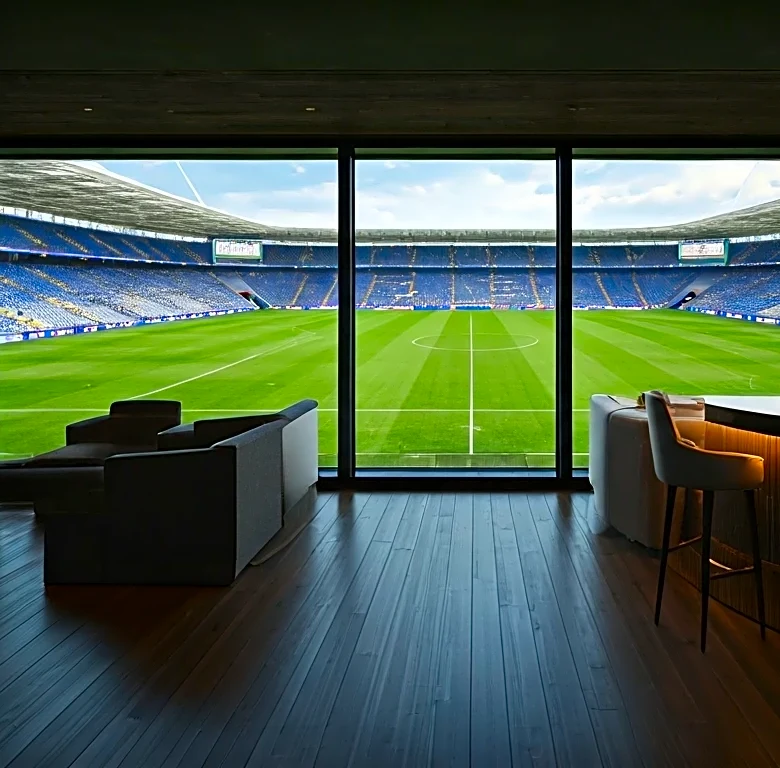
The luxury approach to a World Cup trip involves curated packages, hospitality suites, and a predictable, insulated experience. The budget approach, however, forces you to engage with the host city and its people on a deeper level. It means navigating the subway, discovering a local bar packed with chanting fans, and sharing stories with fellow travelers in a hostel common room. This isn't a lesser version of the trip; it's a more authentic one. The goal isn't just to watch soccer, but to be part of a global gathering. By sidestepping the luxury chase, you don't just save money—you open yourself up to the spontaneous, unpredictable, and genuinely human moments that make these tournaments so memorable.