


More Than Just a Polish
When a studio announces a 'digital remaster' or '4K restoration', the promise is a cleaner, sharper version of a beloved movie. The process involves scanning the original film negatives at an extremely high resolution, then painstakingly removing physical
damage like scratches, dust, and fading that occurred over decades. In the best cases, the result is a version of the film that looks better than anyone has seen it since it first premiered, freeing it from the grime of time. But restoration isn't just a technical act of cleaning. It’s an interpretive art, where technicians and often the original director must make choices. It's in these choices—balancing preservation with modern expectations—that a film's original identity can begin to shift.
The Color of Christmas Past
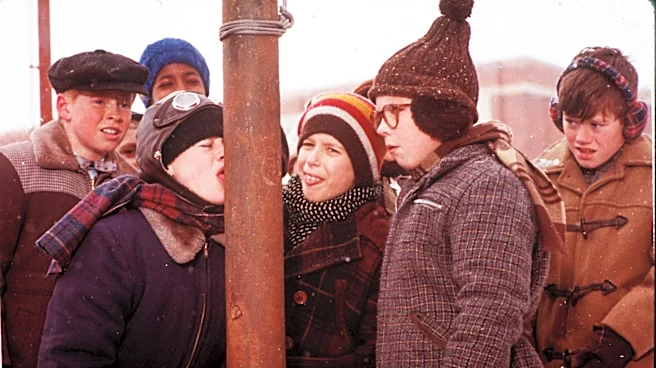
The most noticeable and controversial changes often involve color. The infamous 'colorization' of black-and-white films in the 1980s, fiercely protested by actors like James Stewart over 'It's a Wonderful Life', was just the beginning. Stewart famously complained that turning a character named Violet's outfits purple was a visual pun director Frank Capra would have never considered. Today's changes are more subtle but just as impactful. Modern High Dynamic Range (HDR) technology allows for a much wider and more intense spectrum of color than was possible with 1940s film stock. A restorer’s decision to make the Christmas lights in 'A Christmas Story' pop with more vibrant reds and greens or to change the overall color temperature can fundamentally alter the movie's mood, shifting it from warm and nostalgic to cool and modern.
Sounds of the Season, Remixed
The audio you hear is often just as altered as the visuals. Most classic holiday films were originally mixed in mono, with all the sound coming from a single channel. For a modern 4K release, studios often create a brand new 5.1 or 7.1 surround sound mix to take advantage of home theater systems. While this can create a more immersive experience, it involves making new decisions about where sounds should be placed. Sometimes, entire sound effects are replaced. The 4K remaster of 'Batman' (1989), for instance, swapped out many of the original, iconic sound effects for modern ones. Imagine if the distinct 'thwip' of Ralphie's BB gun or the clang of the furnace in 'A Christmas Story' were replaced; it would feel fundamentally wrong to longtime fans. The new audio mix for 'A Christmas Story's' 4K release was upgraded from the original mono to a 2.0 stereo track, which reviewers noted created more depth and clarity without a complete overhaul.
Lost and Found Footage
Sometimes, remastering brings welcome changes by reinserting scenes that were cut from previous versions. The beloved 1964 stop-motion classic 'Rudolph the Red-Nosed Reindeer' is a prime example. After its initial broadcast, viewer complaints about the fate of the misfit toys led to a new ending where Santa rescues them. To make room, other scenes and songs, like 'We're a Couple of Misfits,' were trimmed or replaced. Later restorations in the 1990s reinstated some of these lost moments, including Yukon Cornelius discovering a peppermint mine, finally explaining why he licks his pickaxe. These editions allow audiences to see a more complete version of the story, even if different cuts of the special have aired over the years with various scenes missing.
Preservation vs. 'Perfection'
Ultimately, the debate over digital remasters boils down to a philosophical question: is the goal to preserve the film as it was, or to 'perfect' it for a modern audience? Film grain, the subtle, textured look of movies shot on celluloid, is a major flashpoint. To many modern viewers accustomed to slick digital video, grain can look like noise or a sign of poor quality. As a result, some restorations use digital noise reduction (DNR) to scrub it away, but this can leave actors' faces looking waxy and unnatural. The 4K restoration of 'A Christmas Story' was praised by film enthusiasts for preserving the movie's original grain and hazy, soft-focus look, keeping its 1940s aesthetic intact rather than making it look like a movie shot in 2026. It's a reminder that authenticity isn't always found in the sharpest, cleanest image, but in one that honors the original artists' intent.