


If you’ve ever looked at a sewing pattern and felt your brain short-circuit, you’re not alone. The numbers can be counterintuitive, especially the perplexing concept of 'negative ease'. It sounds like a mistake, but it's actually a secret weapon.
Decoding 'Ease' in Your Clothing
Before
diving into the negative, let's talk about 'ease' in general. Ease is the difference between your body measurements and the finished garment's measurements. Most clothes have 'positive ease', meaning the garment is intentionally bigger than your body. Think of a classic button-down shirt or a flowy dress; that extra room allows you to move, breathe, and sit down comfortably. 'Zero ease' is when the garment’s measurements are identical to your body’s, creating a skin-tight fit without any give, often found in tailored pieces. Negative ease, then, is the opposite: the garment is intentionally designed to be smaller than your body. It sounds impossible, but this is where the magic of fabric comes into play.
The Feel: A Supportive Hug, Not a Squeeze
So, what does wearing a garment with negative ease actually feel like? When done correctly, it doesn't feel 'too small'. Instead, it feels like a gentle, supportive hug. Think of your favorite pair of leggings, a swimsuit, or a fitted knit t-shirt. These garments move with you, not against you. The feeling is one of a second skin, where the fabric lightly compresses and sculpts to your shape without pinching, binding, or restricting movement. This is the key difference between a garment designed with negative ease and one that's simply the wrong size. A too-small garment will pull at the seams, feel uncomfortably tight, and ride up, whereas a negative-ease garment uses the fabric's stretch to provide a smooth, secure, and comfortable fit.
Why Intentionally Go Smaller?
Designers use negative ease for both function and fashion. It’s essential for activewear, dancewear, and swimwear, where you need the garment to stay put and not bag or sag, especially when moving or getting wet. The stretch and recovery of the fabric keep everything in place without the need for darts or complex closures. For everyday wear, negative ease is the key to achieving the sleek, modern silhouette of many contemporary knit tops and dresses. It allows a garment to hug your curves smoothly, creating a flattering look that would be impossible with a looser fit. It's a deliberate choice that leverages fabric technology for a superior fit.
Your Tape Measure Is Your Best Friend
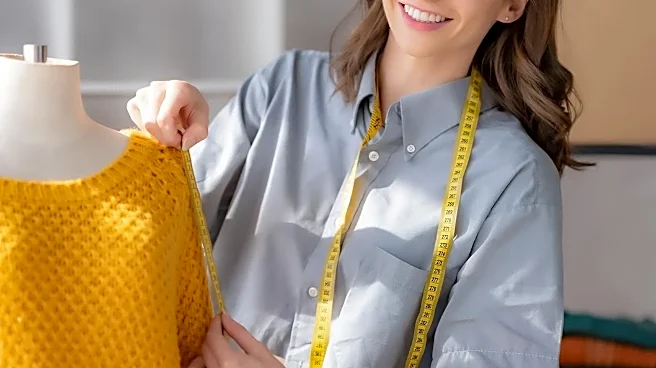
This brings us to the most important part of the headline: comparing measurements. To work with negative ease, you cannot just pick your usual size based on your body measurements alone. You must consult the 'Finished Garment Measurements' chart provided with the pattern or clothing item. Let's say your bust measures 40 inches. For a fitted t-shirt with negative ease, the finished garment measurement might be 38 inches. This means the pattern is designed with 2 inches of negative ease, relying on the fabric to stretch those 2 inches to fit you perfectly. By comparing your body measurements to the finished garment size, you can see exactly how much the designer intended for the item to stretch.
The Crucial Role of Fabric
Negative ease is a team effort between the pattern and the fabric. It only works with materials that stretch, like knits with spandex, lycra, or elastane. A pattern designed for negative ease will always specify the required fabric type and, crucially, the necessary 'stretch percentage'. A fabric with 50% stretch can handle much more negative ease than one with only 20% stretch. Using a fabric with less stretch than recommended will result in a garment that is genuinely too small and unwearable. Conversely, using a fabric with much more stretch might result in a fit that's looser than intended. Always check the pattern's fabric recommendations; it's the most critical step to success.