
The Rise of the Influencer Aesthetic
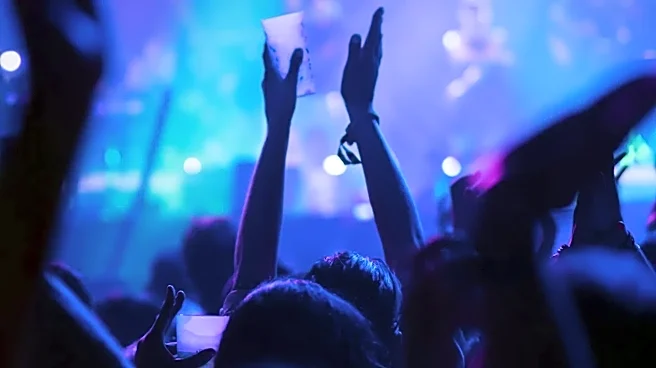
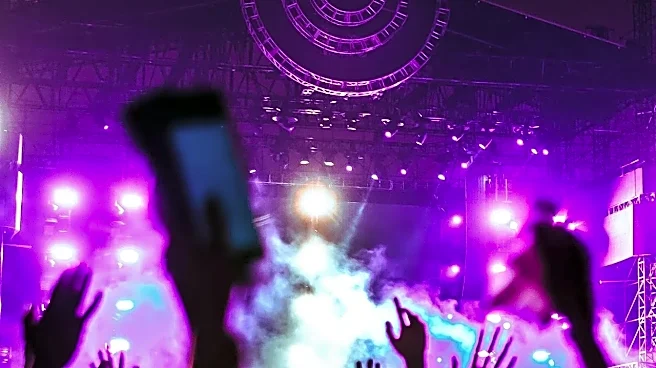
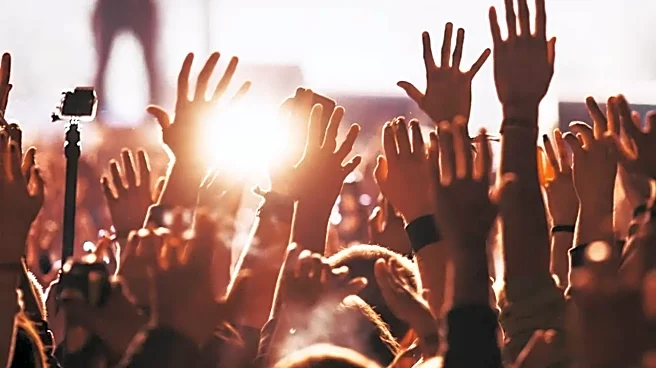
Walk through a major music festival today, and you might feel like you’ve stumbled onto a sprawling film set. Instead of a sea of faces lost in the music, you’re met with a sea of phones. The modern festival landscape is increasingly dominated by the performance
of having a good time, rather than the act of experiencing it. The pressure to capture the perfect, envy-inducing shot has turned many attendees into content creators. Events like Coachella have become as known for their "influencer olympics" as for their musical lineups, with brands paying for VIP access in exchange for curated posts that drive ticket sales and FOMO (fear of missing out). This has led to what some critics call the "aestheticization" of the festival, where the visual appeal, from art installations to pre-planned outfits, can overshadow the music itself. Musician and comedian Reggie Watts described the atmosphere at a recent Coachella as confusing and impersonal, feeling that the soul was absent and that it was merely "vibes curated for influencer culture."
The Unmistakable Power of 'Collective Effervescence'
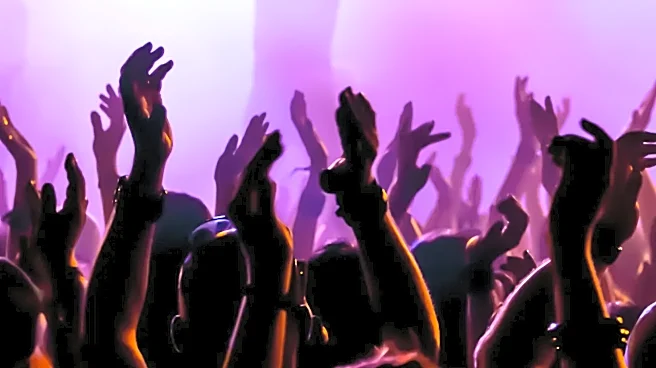
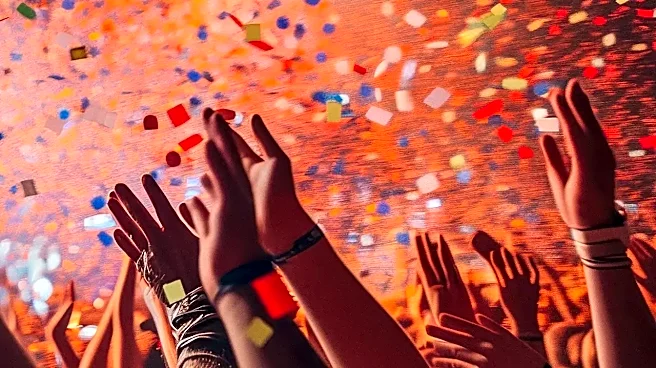
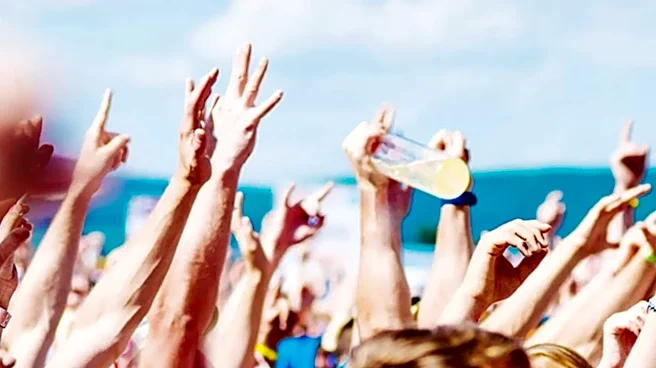
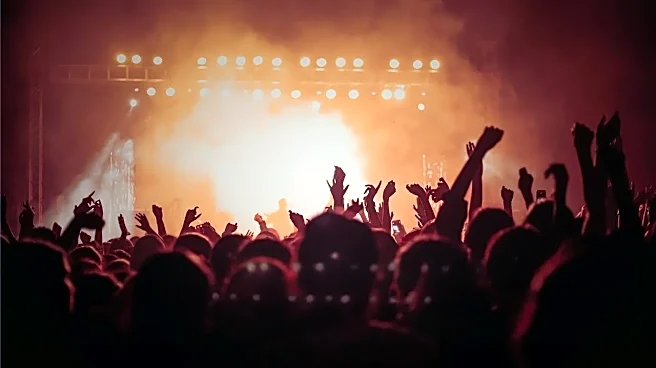
So, what makes a genuine crowd reaction so powerful? It's a phenomenon sociologists call "collective effervescence." Coined over a century ago by Émile Durkheim, it describes the shared feeling of energy and unity that arises when a group comes together with a common focus. Recent psychological studies confirm that this feeling is a major reason why live music contributes so deeply to our well-being. It’s that electric buzz in the air, a loss of individuality into a greater whole, that simply cannot be staged. This shared experience feels sacred, creating a powerful sense of connection to others and to something larger than ourselves. When a crowd spontaneously sings along to every word of a song, creating a choir of thousands, or erupts in a unified roar, it’s not just noise; it's a moment of profound group solidarity. Those moments are what we remember long after the festival ends.
Legendary Moments Can’t Be Scripted
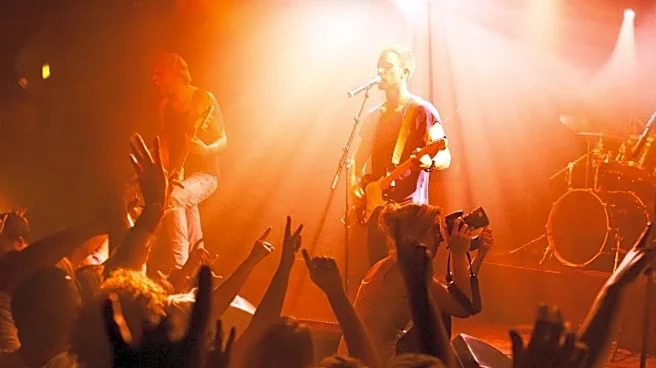
Music history is filled with iconic moments defined by their raw authenticity. Think of Queen's performance at Live Aid in 1985, where Freddie Mercury had 70,000 people at Wembley Stadium clapping in unison to "Radio Ga Ga." Or Jimi Hendrix's controversial, feedback-laced rendition of "The Star-Spangled Banner" at Woodstock, a powerful anti-war statement made entirely with his guitar. More recent examples include the massive crowd chants that became integral to Iron Maiden's performance of "Fear of the Dark." These moments weren't manufactured for a highlight reel. They were spontaneous, emotional outpourings from artists and audiences completely lost in the moment. You can’t schedule a legend. The magic happens when an artist's vulnerability connects with a crowd’s energy, creating something new and unforgettable that was never on the program.
The Search for Something Real
As festivals become more commercialized and social media-centric, there's a growing fatigue with manufactured fun. Consumers are increasingly savvy at spotting inauthenticity, and the relentless pressure to perform online can leave people feeling disconnected rather than united. People crave genuine connection and unique experiences, with studies showing that a majority of young adults would rather spend money on experiences than material things. The very things that make a festival feel authentic—the spontaneity, the shared emotional journey, the feeling of community—are being challenged by a culture that prioritizes documentation over participation. This has led some to seek out smaller, independent festivals that they feel retain a more genuine spirit. When the primary goal shifts from experiencing the music to broadcasting an image, the entire purpose of gathering is undermined.