


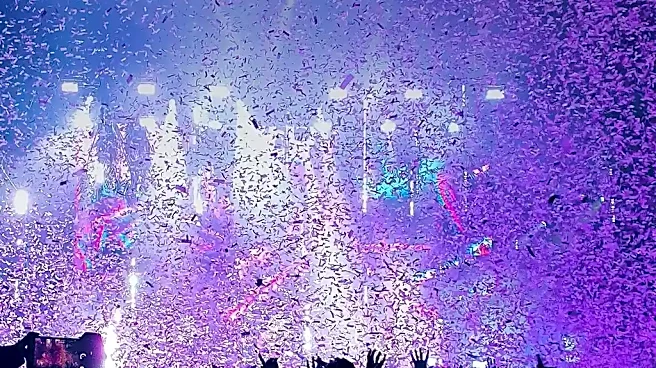
You’re packed into a massive room at the Javits Center, the energy is electric, and the lights go down. A great New York Comic Con panel feels like magic. But behind the curtain, it's a high-wire act balancing three competing demands.
The Currency of Fan Service
First, there’s fan
service. This isn't just about showing a cool clip; it's about validating the audience's passion. It’s the inside joke between cast members, a heartfelt story about a character's legacy, or acknowledging a popular fan theory. This is the element that makes attendees feel seen. Organizers and studios know that goodwill generates buzz long after the con ends. A panel that delivers on fan service creates an emotional connection, turning a marketing event into a cherished memory. It's why you'll see creators reminisce about a specific storyline or actors slip back into a beloved character's voice for a moment—it's a direct reward for the fans' investment. This is often the easiest and safest part of the panel to plan, as it relies on nostalgia and shared affection rather than risky new details.
The Mandate to Avoid Spoilers
On the opposite end is the ever-present threat of spoilers. Studios and publishers are notoriously secretive, guarding plot twists and character reveals like state secrets. Panelists are often heavily prepped, and sometimes contractually obligated, not to stray from approved talking points. Exclusive footage shown in the room comes with strict no-recording policies. The fear is twofold: a leak can ruin a multi-million dollar marketing strategy, and it can also sour the experience for the wider audience who couldn't be in the room. This leads to the frustratingly vague answers fans sometimes get. When a panelist says, “You'll have to wait and see,” it's not because they don't want to tell you; it's because they can't. In some cases, panels for major franchises are almost entirely opaque by design, meant to build hype through mystery rather than reveals.
The Hunt for Real Information
Caught in the middle is the audience's hunger for 'real information.' This is the substance everyone craves: casting announcements, release dates, a series renewal, or a genuine look into the creative process. This is the hardest needle to thread. While some panels are specifically designed for major announcements, many are not. The goal for the studio is to provide just enough information to make the panel feel newsworthy without giving away the entire game. Fans can get restless when a panel feels like pure promotion with no substance. They want to feel they've learned something that couldn't have been found in a press release. That's why even a small, concrete detail—like the title of a new comic series or a piece of concept art—can make an entire panel feel like a success.
The Moderator as a Juggler
The person tasked with blending these volatile elements is the moderator. A great moderator is more than just a host; they are a conversational architect and a safety net. They work with organizers and PR teams beforehand to understand the no-go zones and the planned reveals. During the panel, their job is to steer the conversation, asking provocative questions that elicit interesting stories without cornering a panelist into spoiler territory. They keep the energy up, ensure all panelists get a chance to speak, and pivot gracefully if a discussion veers toward a sensitive topic. When a moderator expertly navigates from a heartfelt fan-service moment to a carefully prepared 'exclusive' announcement, they are executing a well-rehearsed plan designed to feel spontaneous.
The Wild Card of Audience Q&A
Finally, there’s the audience Q&A—the most unpredictable part of any panel. This is where the carefully constructed balance can either soar or crumble. A thoughtful, insightful question can lead to a genuinely candid moment. However, it's also where you get oddly specific lore questions, audition requests, or attempts to trick a creator into revealing a spoiler. Con staff often screen questions to weed out the most problematic ones, but a few always slip through. How panelists and the moderator handle these moments is crucial. A deft deflection of a spoiler-y question or a warm, engaging answer to a personal one can make the audience feel like they're truly part of the conversation, bringing all three elements—fan service, information, and spoiler-dodging—into a perfect, fleeting harmony.