




Before Murphy: The Anthology's Marketing Problem
For decades, the anthology series was a relic of television's past, defined by stand-alone, episode-by-episode stories like The Twilight Zone. While creatively freeing, the format was a nightmare for network marketers. With no recurring characters or ongoing
plot to hook viewers week after week, each episode was a cold open. Selling a whole season was like trying to sell a dozen different, unconnected products under one roof. There was no single, sticky idea for audiences to latch onto, making it a risky bet for the all-important and highly competitive fall TV season.
The 'American Horror Story' Revolution
When American Horror Story premiered on FX in 2011, it looked like a creative gamble. Created by Ryan Murphy and Brad Falchuk, the show proposed a radical new structure: a seasonal anthology. Each season would be a self-contained miniseries with a new plot, new characters, and a new setting. If one season's theme didn't land with audiences, a completely new one would arrive the next year. This flew in the face of TV logic, which dictated that networks build shows around beloved characters viewers would follow for years. Murphy’s innovation was to make the brand of the show the main character. The title, American Horror Story, became a promise of a specific kind of experience—a blend of horror, camp, and high drama—that viewers could count on, even if the story rebooted every fall.
Deconstructing the Murphy Playbook
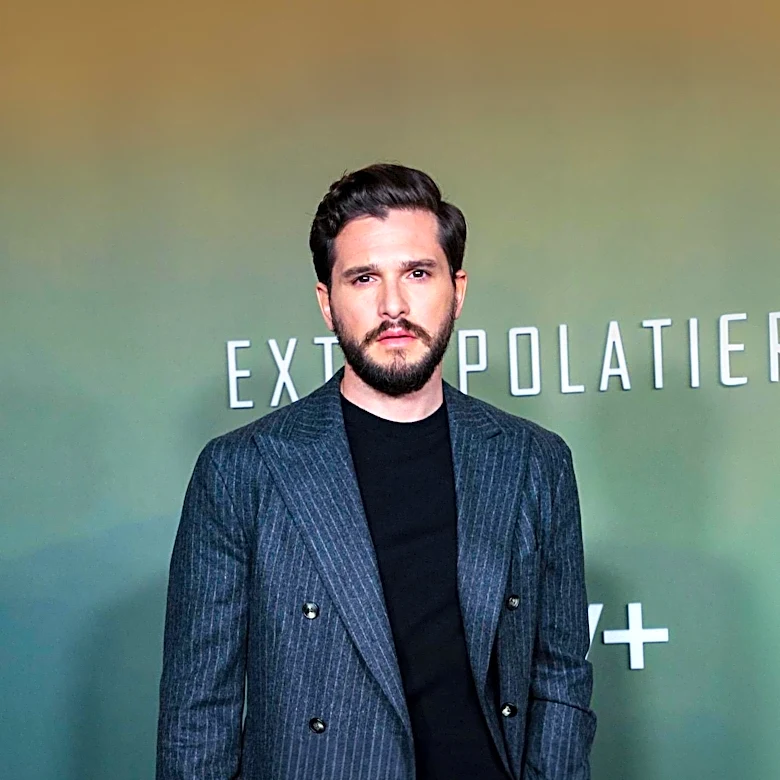
Murphy’s success wasn't an accident; it was a formula. First, he treated every season like a blockbuster movie release. By announcing a tantalizing, high-concept theme—Asylum, Coven, Freak Show—months in advance, he turned the promotional cycle into a national guessing game. The marketing itself, full of cryptic teasers, became part of the entertainment, generating massive online buzz before a single episode aired. Second, he created a repertory company of actors. Stars like Jessica Lange, Sarah Paulson, and Evan Peters would return each season playing different roles. This provided a crucial element of continuity. Viewers might not know the new story, but they knew and loved the stars, giving them a familiar reason to tune in. It also allowed Murphy to attract A-list film actors who were hesitant to sign multi-year TV contracts but were open to a one-season commitment. Finally, the Murphy brand itself became the core product: a unique, instantly recognizable aesthetic that blended genres and centered on marginalized characters in glossy, commercial packages.
How Hollywood Learned the Murphy Method
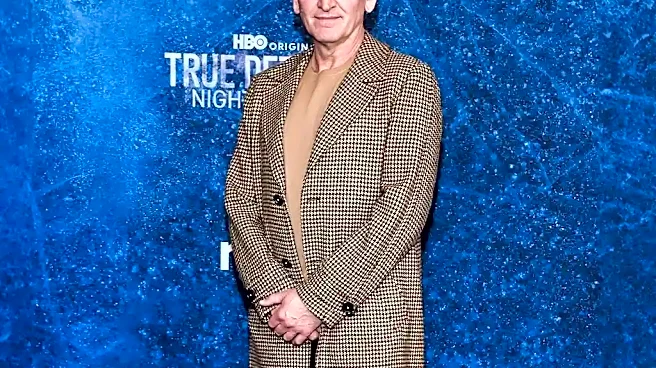
The industry quickly took notice. The success of American Horror Story proved that audiences would embrace the seasonal anthology, and soon, other networks were copying the model. Shows like HBO's True Detective and FX's Fargo adopted the core tenets of the Murphy playbook: use movie stars for a single, buzzy season, establish a strong creator-driven brand, and market each installment as a prestige television event. Murphy himself doubled down on the formula, applying it to other genres with American Crime Story and Feud, which similarly turned well-known historical events into must-see television spectacles. He effectively invented a new format that combined the finite appeal of a miniseries with the long-term branding of a franchise, a structure perfectly suited for the modern TV landscape.