


The Unsettling Familiarity
The most potent tool in a comedian’s horror arsenal is the audience’s own affection for them. We are conditioned to see these actors as sources of comfort and joy. When that familiar, friendly face is placed in a situation of extreme peril, the effect
is deeply unnerving. It subverts our expectations on a fundamental level. The safety we associate with them is violated, making the horror feel more grounded and personal. Think of Bill Hader in 'It Chapter Two'. As the adult Richie Tozier, a successful stand-up comic, Hader’s natural wit made the character’s terror feel palpable. His jokes weren't just comic relief; they were a defense mechanism, a desperate attempt to use his only weapon against an ancient evil. The audience feels his fear more acutely because we expect him to make us laugh, not scream.
Comedy and Horror: Two Sides of the Same Coin
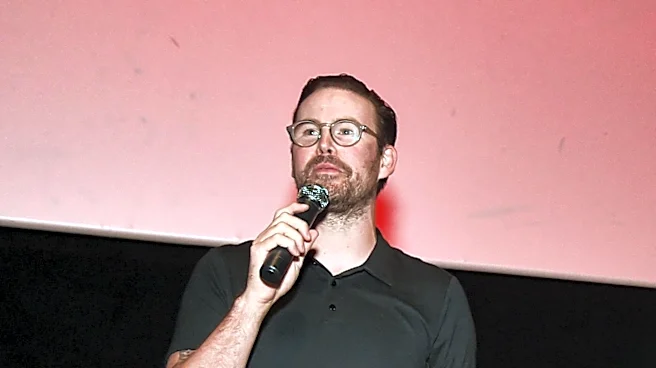
At their core, comedy and horror are both about mastering tension and release. A comedian builds tension with the setup of a joke, leading to the explosive release of a punchline. A horror director does the exact same thing, but the release is a scream instead of a laugh. Comedians, especially those from sketch and improv backgrounds, are experts at this rhythm. They have a sophisticated understanding of timing, pacing, and misdirection. This shared DNA makes the transition from comedy to horror a surprisingly natural one. Filmmakers like Jordan Peele and Zach Cregger, who honed their skills in sketch comedy, have become some of the most vital voices in modern horror, proving the genres are deeply connected. Their work shows an innate grasp of how to manipulate an audience's emotional state, a skill learned from years of chasing laughs.
The 'Peele Effect' and Career Reinvention
No discussion of this trend is complete without mentioning Jordan Peele. After a long career on 'MadTV' and 'Key & Peele', his directorial debut 'Get Out' was a cultural phenomenon that won an Oscar and redefined the modern thriller. Peele demonstrated that a comedian’s perspective could produce horror that was not only terrifying but also socially incisive and artistically ambitious. This 'Peele Effect' opened a creative and commercial pathway for other comedic actors and directors to be taken seriously in the genre. For actors, a dramatic or horrifying role offers a chance to shatter typecasting and showcase their range. It’s a strategic career move that prevents them from being permanently stuck in one box, proving their dramatic chops to both audiences and casting directors. For directors, it’s a way to explore darker themes while using a well-honed comedic toolkit.
Subverting Expectations for Fun and Profit
From a studio marketing perspective, casting a comedian in a thriller is a brilliant hook. It immediately generates buzz and sparks conversation: 'Can they pull it off?'. This curiosity factor can be enough to make a film stand out in a crowded October release schedule. The casting itself becomes a talking point, an angle that makes the movie feel fresh and unpredictable. The audience, in turn, is often rewarded with a performance that feels raw and unexpected. We aren’t accustomed to seeing these performers access vulnerability or rage, so when they do, it lands with greater impact. This casting strategy disrupts the familiar rhythm of horror movie marketing and gives viewers a compelling reason to buy a ticket, banking on the powerful appeal of seeing a beloved entertainer in a completely new, and terrifying, light.