


The Power of the Drape
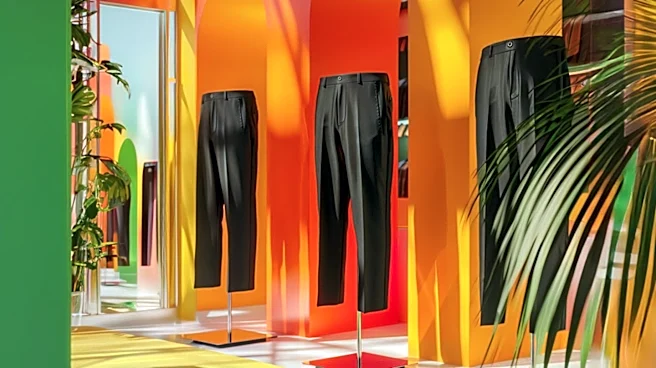
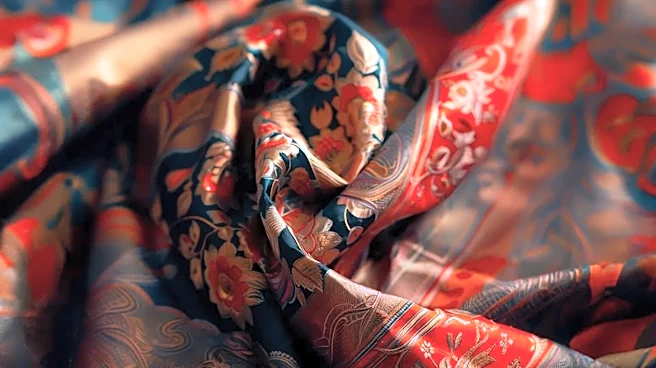
The secret isn't in the fabric's ability to stand on its own, but in how it falls, moves, and interacts with the body. This is the art of the drape. A heavyweight fabric like canvas or thick wool creates a shape by force, holding a line regardless of the person
inside. Soft fabrics like silk charmeuse, heavy jersey, or fine-gauge cashmere work differently. They rely on gravity and movement, creating a silhouette that is dynamic and alive. The strength comes not from rigidity, but from the elegant, deliberate lines the fabric draws as it flows over the body, creating a shape that is both graceful and intentional. A well-executed drape can elongate the body, create dramatic shadows, and suggest a form that is potent and self-assured.
Weight and Movement as Tools
Not all soft fabrics are created equal. The key is often weight, or what designers refer to as "hand feel." A lightweight chiffon will float and create an ethereal, airy shape, but a heavier-weight silk or a dense knit has enough substance to create long, unbroken lines. This substantial quality allows the fabric to hang with purpose. When cut expertly, often on the bias to maximize its fluidity, the material pulls downward, creating a clean, powerful verticality. Think of a floor-sweeping coat from The Row; its power comes from the sheer, uninterrupted column of fabric that moves with the wearer. The silhouette is strong precisely because the fabric is soft enough to move as one elegant, cohesive piece.
Masters of Fluidity
Certain designers have built their entire aesthetic around this principle. Madame Grès was a mid-century pioneer, using yards of silk jersey to create Grecian gowns that were both statuesque and fluid. Halston defined 1970s glamour with his bias-cut dresses that moved with an almost liquid grace. Today, designers like Rick Owens, Haider Ackermann, and especially Mary-Kate and Ashley Olsen of The Row have mastered this language. Their collections feature oversized coats, wide-leg trousers, and draped knits in exquisite materials. The garments are often devoid of fussy details, forcing the focus onto the fabric and the masterful cut. The resulting silhouette is one of quiet confidence, where the luxury is felt in the movement and the feel of the garment, not just its appearance.
The Psychology of Soft Power
Wearing these garments communicates a different kind of power. Structured, tailored clothing can feel like armor, projecting authority and control through rigidity. Soft silhouettes, by contrast, suggest an ease and self-possession that doesn't require an external shell. It implies a comfort with oneself, a confidence that is inherent rather than constructed. The strength is in the subtlety. There’s a distinct psychology at play; when a garment moves with you instead of confining you, it can create a feeling of freedom and control. This brand of power isn't about aggression or overtness; it's about the quiet, commanding presence that comes from feeling completely at ease.