






The Great Possession Myth
The first step to seeing the game on a deeper level is to stop treating possession as the ultimate sign of dominance. A team can rack up huge possession numbers by making hundreds of safe, sideways passes between defenders in their own half. This sterile
possession doesn't break down the opponent or create danger; it just runs down the clock. In fact, many modern tactical systems are built around letting the opponent have the ball in non-threatening areas. The goal isn't to win the possession battle, but to control the important spaces, concede low-quality shots from a distance, and then strike quickly on the counter-attack when the opponent is over-extended. The team with less of the ball is often the one dictating the terms of engagement.
The Unseen Work of Off-Ball Movement
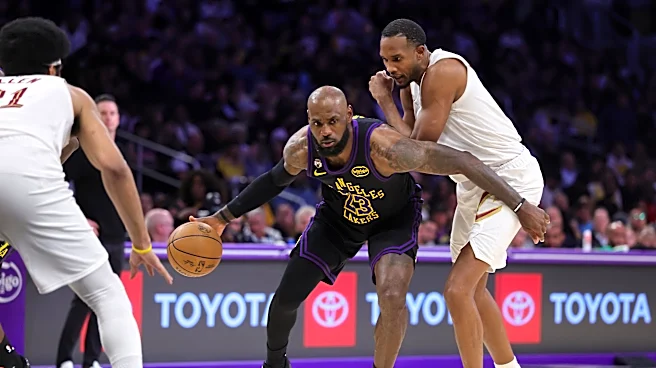
A player has the ball for an average of just a few minutes in an entire 90-minute soccer match. What they do in the other 87-plus minutes is where the game is truly won and lost. To see this, try an experiment: for the next 15 minutes of a game, watch only one player, not the ball. In basketball, watch how a player like Steph Curry never stops moving, using screens and cuts to create chaos and open looks for himself or teammates. In soccer, an attacker’s diagonal run might not get them the ball, but it might pull a key defender out of position, creating a massive gap for a teammate to exploit. A midfielder might drift into a pocket of space between two defenders, making themself available for a pass that can break the opponent's lines. This constant, intelligent movement is the engine of a good offense, but it rarely shows up on a stat sheet.
The Power of Defensive Shape
When a team loses the ball, don't follow the counter-attack. Instead, watch how the defending team organizes itself. Do they immediately swarm the ball in a high press? Or do they retreat into a compact, organized block? A team’s defensive shape—how they arrange themselves to deny space and passing lanes—is often the foundation of their entire strategy. You'll see them shift as a single unit, maintaining specific distances between players to stay compact and force the attacking team into wide, less dangerous areas. Communication and organization are key. A successful defensive structure can frustrate even the most talented attacks, making them look sluggish and out of ideas. The real tactical battle is often about which team can better impose its preferred shape on the flow of the game.
Pressing Triggers: The Coordinated Hunt
Modern defending isn't just about sitting back; it's about hunting for the ball at the right moments. Teams don't just press randomly—it would be exhausting and leave them full of holes. Instead, they use 'pressing triggers,' which are specific cues that tell the entire team to apply coordinated pressure. A trigger could be a slow or misplaced pass from an opponent, a player receiving the ball with their back to the goal, or the ball being passed to a weaker player. When that trigger occurs, the team springs the trap, closing down passing lanes and swarming the player on the ball, aiming to win it back in a dangerous area where they can immediately create a scoring chance. Recognizing these triggers as they happen is like seeing the game’s hidden code.