
The Channel-Surfing Dilemma
Here’s the scenario: you missed the live sets and want to catch up. You pull up the festival’s YouTube page and are greeted by a sea of individual performance videos. Sure, it's great that the full sets are there, but the context is gone. You can’t experience
the festival as it happened. You’re forced into a frustrating game of digital channel surfing, trying to piece together who played when and what you missed. The live streams have evolved, with features like “multiview” letting you watch four stages at once. But once the live event ends, that cohesive experience evaporates, leaving you with a disconnected library of clips. This isn't how you experience a festival in person, and it shouldn't be how you relive it online.
The Fix: An Interactive Festival Timeline
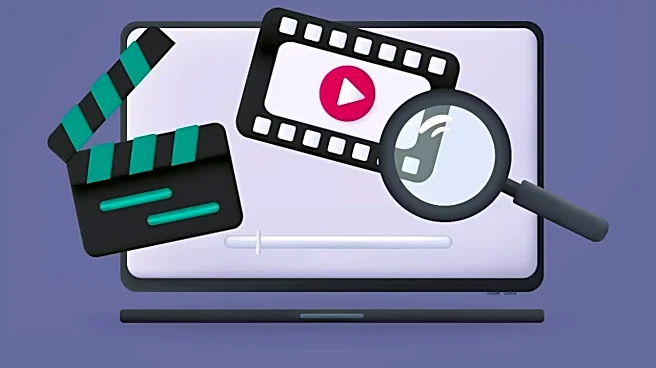
So, what’s the one feature that would change everything? Imagine a single, interactive video timeline for the entire festival day. It would look something like a video editing program, with each horizontal track representing a different stage. The timeline would span the full day, from the opening act to the headliner. With this, you could scrub back and forth through time across the entire event. You could watch the first 15 minutes of a band on the main stage, then instantly jump to that exact same timestamp on a different stage’s track to see the counter-programming. You could follow a friend’s path, create your own perfect festival run after the fact, or finally settle the debate about which of two overlapping sets was truly better.
Beyond a Replay, It’s a New Experience
This isn't just about a better VOD system; it's about creating a new way to experience the festival. The biggest downside of watching from home is the loss of agency and discovery—the magic of wandering the grounds and stumbling upon your new favorite band. An interactive timeline would bring that sense of exploration back to the replay. It kills the post-festival FOMO because you can finally see what you missed, not just hear about it. For artists, it means their sets aren't lost to the algorithm; they exist in the context of the event, discoverable by fans exploring the timeline. For platforms like YouTube or Hulu, it transforms a simple video archive into a premium, sticky feature that keeps fans engaged long after the festival gates have closed.
The Hurdles Are Real, But Surmountable
Why doesn’t this exist yet? The technical and logistical challenges are significant, but not impossible. Storing and time-syncing multiple simultaneous 4K streams is a massive data load. Building an intuitive user interface that feels fluid and not clunky is a major design challenge. The biggest hurdle, however, is likely music licensing. On-demand, non-linear playback rights are far more complex and expensive than a simple live broadcast or a static VOD upload. Platforms would need to negotiate new deals with countless artists and labels. But as streaming becomes a bigger piece of the festival profit pie and technology improves, the incentive to solve these problems will only grow. The demand is there; the technology just needs to catch up to the ambition.