





So, What Exactly Is a ‘Cozy Mystery’?
Before there was “Only Murders,” there was Agatha Christie. The term “cozy mystery” was coined in the late 20th century to describe a revival of the classic whodunits from the Golden Age of Detective Fiction in the 1920s and '30s. The formula is simple
but effective: the murder happens off-page, gore and graphic violence are avoided, and the story is set in a close-knit community, like a quaint village or a country estate. The focus isn't on the horror of the crime but on the intellectual puzzle of solving it. The hero is almost always an amateur sleuth—think Miss Marple—a clever, intuitive person who uses their wits, not forensics, to unravel the mystery. This structure provides a sense of comfort and escapism; despite the danger, the audience knows that by the end, the killer will be caught and order will be restored.
The Arconia: A Vertical Small Town
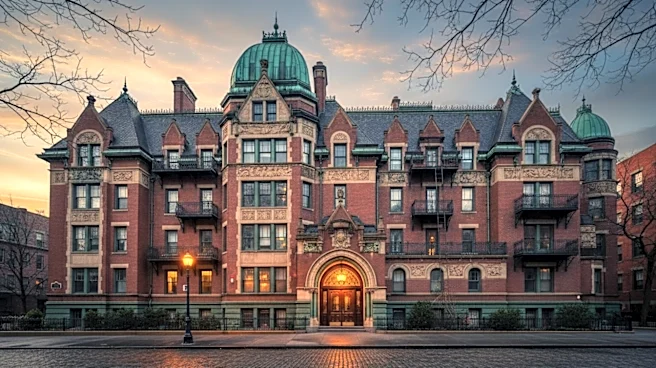
The classic cozy needs a confined, gossip-filled setting, and the Arconia apartment building is a masterful modern update. Instead of an English village, we have a grand Upper West Side building that functions as its own self-contained world. It’s a place where everyone knows each other’s business (or thinks they do), secrets fester behind beautifully decorated doors, and the building itself becomes a character in the story. From secret elevators to interconnected vents, the Arconia provides the perfect labyrinth for our sleuths to navigate. This environment, both luxurious and intimate, creates the familiar, contained feeling essential to the genre, proving you don't need a small town to feel a sense of close community and suspicion.
A Trio of Unlikely Amateur Sleuths
Charles, Oliver, and Mabel are the quintessential amateur detectives. A washed-up actor, a flamboyant and financially struggling director, and a mysterious young artist, they have no business solving murders, which is precisely why they're so perfect for the role. Cozy mysteries thrive on protagonists who are driven by personal curiosity or a sense of justice rather than professional obligation. Our trio stumbles into investigating out of a shared obsession with a true-crime podcast, a brilliant contemporary twist on the nosy neighbor trope. Their intergenerational dynamic, playing on age stereotypes for humor while building a genuine found family, brings a fresh energy to the classic formula of quirky characters forming unlikely alliances.
Murder, but Make It Charming
Like all good cozies, “Only Murders” ensures the violence is never the main event. Murders happen, but they are often off-screen, and the show is more interested in the ensuing investigation, the witty banter, and the emotional lives of its characters. The tone skillfully balances suspense with humor, a hallmark of the genre designed to keep viewers engaged without becoming too dark. The victims are often unlikable or have a trail of enemies, making their demise a catalyst for a puzzle rather than a source of lingering trauma for the audience. The show’s aesthetic, from its New Yorker-inspired title cards to its autumnal color palette, reinforces this feeling of sophisticated, lighthearted intrigue. It’s a murder mystery that feels more like a fizzy mimosa than a stiff drink.
Updating the Formula for a New Generation
The true genius of “Only Murders in the Building” lies in its self-aware approach to the genre. It doesn't just copy the cozy mystery playbook; it lovingly parodies and modernizes it. The podcast element is the most obvious update, turning the classic detective’s journal into a public performance and a meta-commentary on our cultural obsession with true crime. The show also injects a layer of emotional depth often missing from more traditional cozies. Through its characters, it explores modern anxieties about loneliness, career obsolescence, and the difficulty of forming connections in a sprawling city. Mabel, in particular, grounds the series with a millennial sadness and precariousness that contrasts with the old-world stability of Charles and Oliver, making the show a conversation between the genre's past and its present.