

Black trousers are a wardrobe cornerstone, yet finding the perfect pair feels impossible. Before adding another 'almost right' option to your collection, pause. A few smart questions can transform your shopping and lead you to the pair you'll love.
1. What is the Primary Occasion?
First,
define the trouser's main purpose. Are you looking for a structured pair for the office, a relaxed style for weekends, or something elegant for evenings? A tailored wool-blend trouser is perfect for professional settings, while a drapey wide-leg crepe or a simple cotton twill chino serves different needs. Identifying the primary use case prevents you from buying a beautiful pair of trousers that doesn't fit your actual life. Be honest about whether you need something for daily wear or a special event.
2. How Does the Fabric Feel and How Will It Wear?
Fabric determines comfort, durability, and appearance. For year-round wear, look for wool twill or a quality wool blend, which drapes well and resists wrinkling. Cotton and linen are breathable choices ideal for warmer weather, though they can wrinkle more easily. Synthetic blends can offer stretch and wrinkle resistance but may not feel as breathable. Gently stretch the fabric; it should spring back into shape. A quality fabric feels substantial and won't be see-through when you hold it to the light.
3. Is the Fit Good, or Just 'Good Enough'?
A great fit is non-negotiable. The waistband should be comfortable when you sit and stand, without digging in or gaping at the back. The trousers should drape cleanly from your hips without pulling or clinging. Check the length (or inseam); it should work with the shoes you plan to wear. Don't settle for 'good enough' with the plan to tailor later, unless you are committed to it. The cost of alterations is part of the trouser's total price. A truly great fit makes you feel confident the moment you put them on.
4. Can I Style It at Least Three Different Ways?
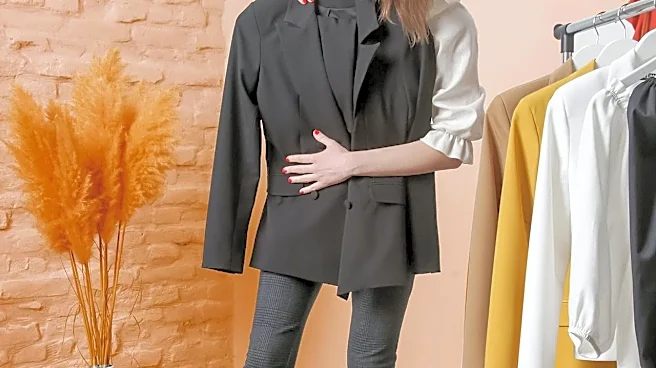
The most valuable pieces in your closet are the most versatile. Before you buy, mentally style the trousers with at least three items you already own. Can they be dressed up with a blazer for work, paired with a knit for a casual look, and styled with a silk top for dinner? If the trousers require you to buy a whole new set of tops or specific shoes to work, they might not be a smart addition. A truly versatile pair will integrate seamlessly into your existing wardrobe.
5. What Does the Care Label Say?
Always check the care instructions before you commit. 'Dry Clean Only' is a recurring expense and effort that adds to the lifetime cost of the garment. If you're not prepared for that commitment, you may end up wearing the trousers less often. Machine-washable or hand-washable options in durable fabrics are often more practical for everyday life. Fading is also a concern with black clothing, so follow care instructions like washing in cold water to keep them looking sharp.
6. How Is the Construction Quality?
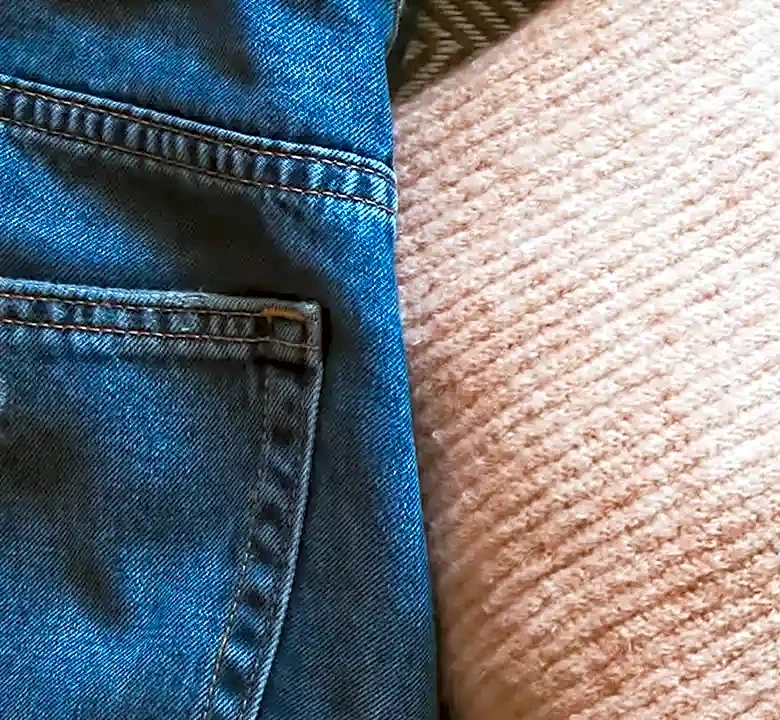
Look beyond the style and inspect the craftsmanship. The seams should be straight and secure with a high stitch count, showing no gaps when you gently pull the fabric apart. Check the zipper; it should be securely attached and glide smoothly—YKK is a known mark of quality. Buttons should be firmly sewn on. The pocket linings should be made of sturdy material, not flimsy synthetics. These small details are the difference between a pair that lasts a season and one that lasts for years.
7. Does This Fill a Genuine Gap in My Wardrobe?
This question requires a moment of honesty. Are you buying these trousers to replace a beloved, wornout pair, or are they an impulse purchase that duplicates something you already have? A wardrobe audit can help you see what you truly need. A functional wardrobe isn't about having an endless supply of options; it's about having the right options. If the new pair doesn't serve a distinct purpose or offer a better fit than what you currently own, it may be better to wait.
8. What is the True 'Cost Per Wear'?
Think beyond the price tag to the long term value. Cost per wear is calculated by dividing the item s price by the number of times you ll wear it. A $200 pair of high quality, perfectly fitting trousers worn 100 times has a cost per wear of just $2 . A trendy, $50 pair that you only wear five times has a cost per wear of $10 . Investing in quality, durability, and a timeless fit almost always results in a lower cost per wear, making it the more economical and sustainable choice in the long run.