







An Anti-Fashion Statement
At its heart, grunge fashion was a rejection of fashion itself. Emerging from the music scene in Seattle, Washington, the look was defined by what was practical, cheap, and comfortable. Bands like Nirvana, Pearl Jam, and Soundgarden didn't have stylists;
they wore what was available. That meant thrift-store finds, oversized sweaters, worn-out band tees, and durable flannel shirts—functional clothing suited to the Pacific Northwest's dreary, working-class environment. The aesthetic was deliberately unpolished and androgynous, de-emphasizing the body rather than showing it off. This wasn't about creating a look; it was an extension of a lifestyle that prioritized music and authenticity above all else.
The Sound of a Recession
You can’t separate the rise of grunge from the economic realities of the time. The United States slid into a recession in 1990 that lasted into 1991, followed by a sluggish recovery. In Seattle, the local economy had been hit hard by layoffs at major corporations like Boeing, creating a climate of uncertainty. For Generation X, coming of age amid this downturn, the aspirational consumerism of the 1980s felt like a lie. The anti-consumerist, make-do attitude of grunge wasn't just a pose; it was a financial necessity. As The New York Times noted in 1992, the clothes were "cheap, it's durable, and it's kind of timeless." The style reflected a generation's disillusionment and its members' empty pockets.
A Backlash to 80s Excess
Culturally, grunge was the polar opposite of the decade that preceded it. The 1980s were defined by glam metal's extravagant hair and spandex, Wall Street's power suits, and a general ethos of polished, performative wealth. Grunge was the hangover after that party. It was a raw, authentic, and often cynical reaction against the slickly produced and materialistic culture that many young people felt alienated from. The disheveled, layered look was a visual palate cleanser. It rejected the bright colors and sharp silhouettes of 80s fashion in favor of muted tones and baggy fits that conveyed a sense of apathy and a desire for something more real.
The Moment It Went Mainstream
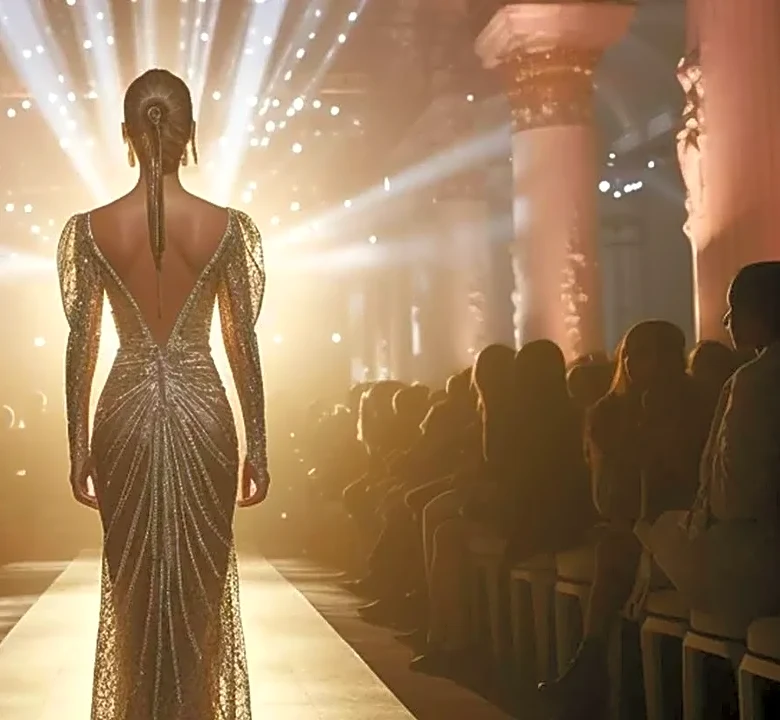
Every subculture has a moment when the mainstream co-opts it, and for grunge, that moment was Marc Jacobs' infamous Spring 1993 collection for designer Perry Ellis. Jacobs put high-fashion versions of the Seattle street style on the runway: models wore silk flannel shirts, cashmere thermal tops, and beanies. The collection was a critical disaster at the time; Jacobs was famously fired for it. Critics called it an insult to turn working-class necessity into a luxury trend. But in retrospect, it was a pivotal event that cemented grunge's place in fashion history, bridging the gap between an isolated youth culture and the global style conversation. After that, grunge wasn't just for kids in Seattle; it was for everyone.