



Designing for Two Different Screens
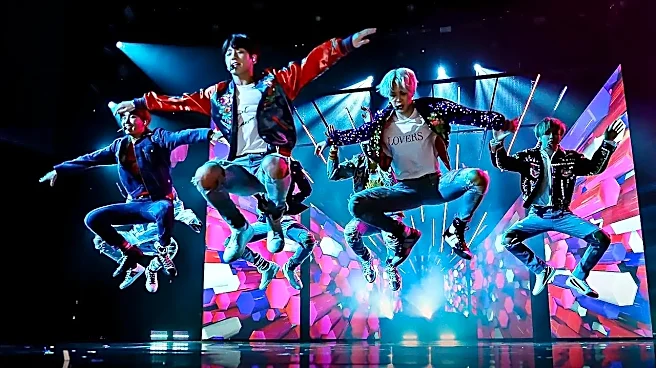
The fundamental challenge for any modern awards show choreographer is the battle of the screens. The television broadcast is a horizontal, wide-view experience designed to tell a story over several minutes. It uses wide shots to show formations, sweeping
camera moves to create energy, and close-ups to capture an artist's emotion. The goal is a cohesive, narrative performance. In contrast, the social media clip lives on a vertical phone screen. It’s short, punchy, and built to grab attention in a sea of content. Choreographers now have to think in both formats simultaneously. Movement that looks incredible in a wide shot on TV might be lost in a tight, vertical frame on a phone, and vice-versa. This dual-audience demand has fundamentally changed how dance for live events is conceived.
Engineering the 'Clip-able' Moment
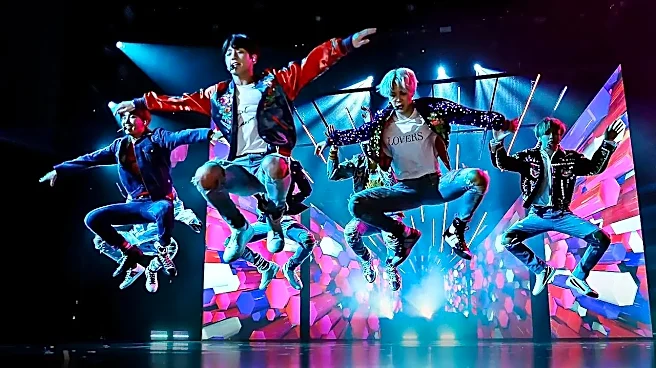
The key to social media success is the “clip-able” moment. These are short, memorable, and often repeatable eight-counts of choreography designed to be easily isolated from the larger performance. Think of a distinctive move that can become a TikTok challenge or a GIF. Choreographers intentionally build these “dance snacks” into the performance. These moments must be visually clean, powerful enough to work without context, and perfectly framed for a vertical screen. The strategy involves creating a hook that fans can easily latch onto, record, and share. A recent Bacardi campaign built for the VMAs was explicitly designed with this in mind, creating choreographed solos that viewers could easily clip and repost. This isn't an accident; it's a core part of the design process.
The Camera Becomes a Dance Partner
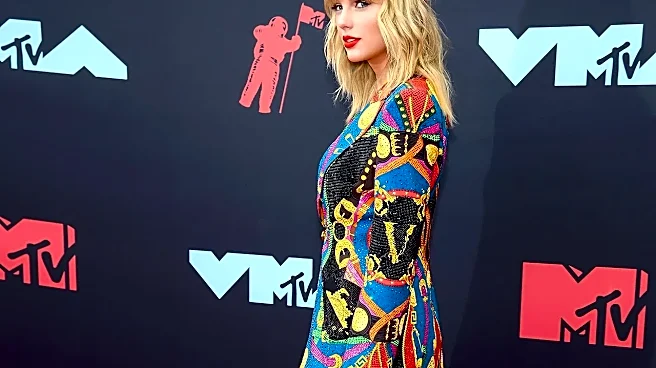
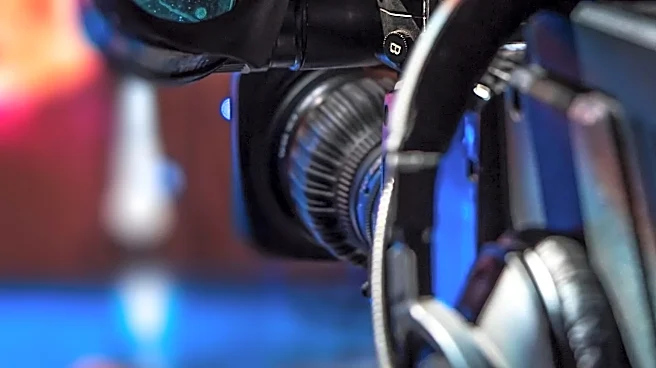
Choreographers don't just work with dancers; they work with the broadcast director and camera operators as partners. The camera's movement is as choreographed as the dancers' steps. During rehearsals, they will map out specific shots, deciding when to use a wide angle for the TV audience and when to punch in for a tight, vertical-friendly shot perfect for a Reel. They might design a formation that looks good from a high crane shot for TV, but ensure the lead artist is doing a specific, isolated move at the center that can be captured by a separate camera for a social clip. According to production experts, VMA stages are complex, multi-zone environments designed for this very purpose, allowing different looks to be captured simultaneously.
The Full Story vs. The Viral Hook
A successful VMA performance can’t just be a string of viral moments. It still needs to work as a cohesive piece of art for the millions watching on television. This is the tightrope choreographers must walk. The viral hook needs to feel like a natural peak within a performance that has a beginning, middle, and end. The choreography must serve the song's story and the artist's persona for the live broadcast while embedding those social media landmines. The most successful routines manage to do both, creating a performance that feels emotionally resonant in its entirety but also offers up perfect, bite-sized moments for digital consumption. This blend of spectacle and strategy is what separates a good performance from an iconic one.
From Rehearsal to Algorithm
The process doesn’t end in the studio. Social media teams are increasingly involved in the creative process from early stages. They attend rehearsals to help identify which moments have the most viral potential. They might even give feedback on what types of movements or trends are currently resonating with platform algorithms. This collaboration ensures that by the time the artist hits the stage, there's a plan not just for the live performance, but for the digital blitz that follows. In an era where 82% of Gen Z discovers new music through social media, the choreography for a VMA performance is no longer just for the stage; it's a critical marketing tool designed to dominate feeds for days and weeks to come.