


The Foundation: It’s All About Balance
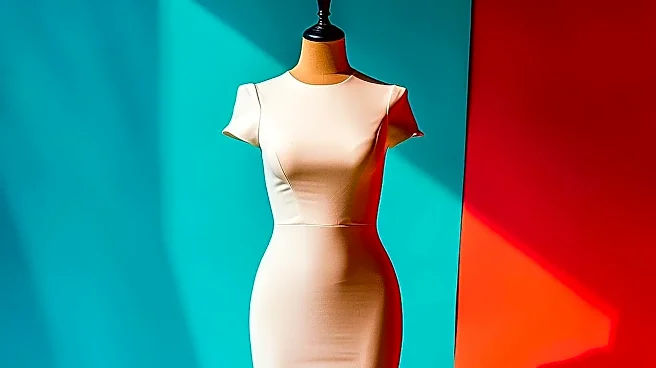
The defining characteristic of an hourglass shape is proportion: the bust and hips are roughly equal in width, with a narrower, well-defined waist. The primary goal of any outfit is to maintain this natural balance. Before we even talk about specific
colors, this principle is key. Anything that adds disproportionate volume to either your top or bottom half can disrupt this silhouette. The most successful color strategies don't fight this shape—they celebrate it by highlighting the waist and letting the body's natural curves speak for themselves. This means avoiding shapeless, boxy styles that hide the waist entirely. When you get color right, it's because you've first respected the balanced foundation of your frame.
The Monochromatic Masterstroke
One of the most effective and elegant ways to flatter an hourglass figure is by dressing in a single color from head to toe. A monochromatic outfit creates a strong, unbroken vertical line that elongates the entire body. This look is inherently sophisticated and allows your silhouette to be the main event. 'Getting it right' with monochrome means focusing on fit and texture. Choose fabrics that drape well and follow your curves, like soft knits or silk blends. You can also create interest by mixing different shades and textures of the same color family—think a navy silk blouse with navy wide-leg trousers. This tonal approach adds depth and sophistication while preserving that flattering, continuous line.
Strategic Color Blocking: Where the Magic Happens
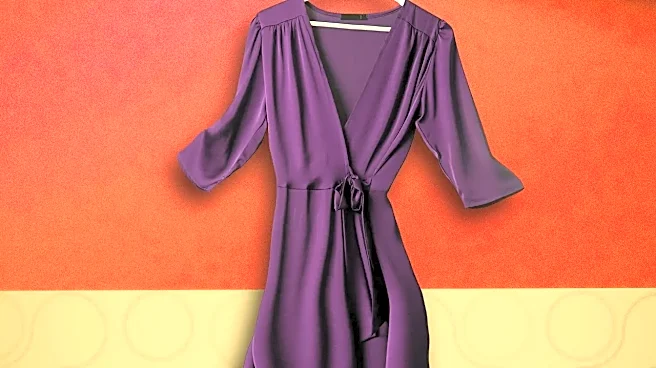
Color blocking is where many people go wrong, but it’s also where the most transformative results can happen. It's not just about wearing multiple solid colors; it's about where you place them. For an hourglass, the most effective color blocking uses color to draw the eye to the waist. A dress that features a darker colored panel at the waist, for example, will instantly make it appear smaller. Similarly, wearing a lighter top with a darker, high-waisted skirt naturally emphasizes your narrowest point. Where it goes wrong is when the color change happens at an unflattering point, like a horizontal line that cuts across the widest part of your hips or bust, which can break up your balanced proportions. The 'right' way ensures the color transition reinforces, rather than fights, your natural curves.
The Power of Light vs. Dark
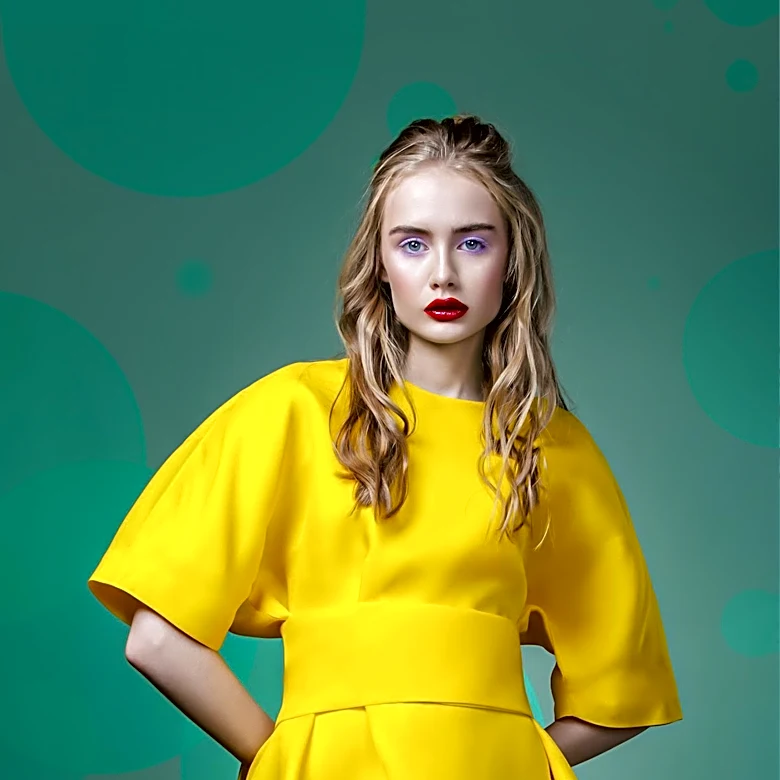
A fundamental principle of visual styling is that dark colors recede and make areas appear smaller, while light colors advance and highlight them. You can use this to your advantage with surgical precision. If you want to highlight your defined waist, a wide, dark belt over a lighter-colored dress is a classic technique. Conversely, if you feel your bust or hips are slightly more prominent than you'd like, wearing a darker color on that half of your body can create a more streamlined appearance. This isn't about hiding; it's about strategic emphasis. Someone 'getting it right' might wear a simple black, fitted top with a vibrant, lighter-colored A-line skirt, an outfit that simultaneously slims the top and celebrates the curve of the hips while drawing attention to the waist.
A Note on Prints and Patterns
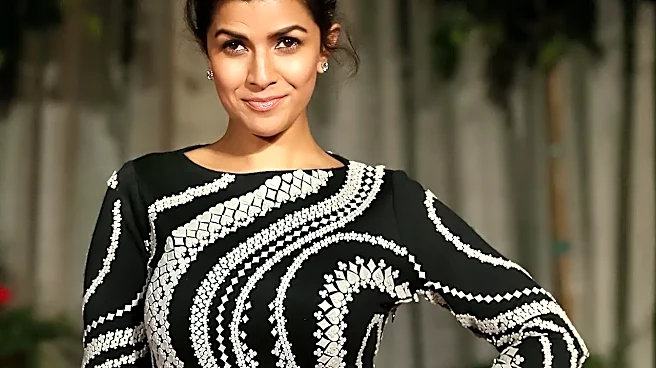
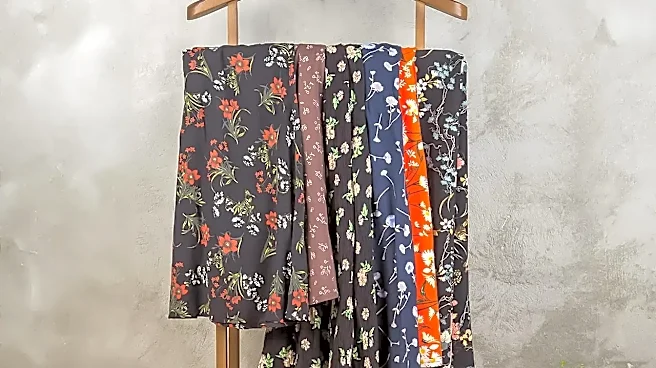
While solid colors are easier to manage, prints aren't off-limits. The key is scale and placement. Overly large, bold, and busy prints can sometimes overwhelm an hourglass frame and obscure its beautiful shape. Smaller, more understated patterns, like tiny florals or classic vertical stripes, tend to be more complementary. Vertical stripes are particularly effective as they help to elongate the figure. When choosing a patterned piece, look for those where the pattern itself is used to create shape. For instance, some dresses use the placement of a print to create a more defined waist visually. Ultimately, the principles remain the same: make sure the pattern works with your curves, not against them.