



1. A Specific Sonic Signature
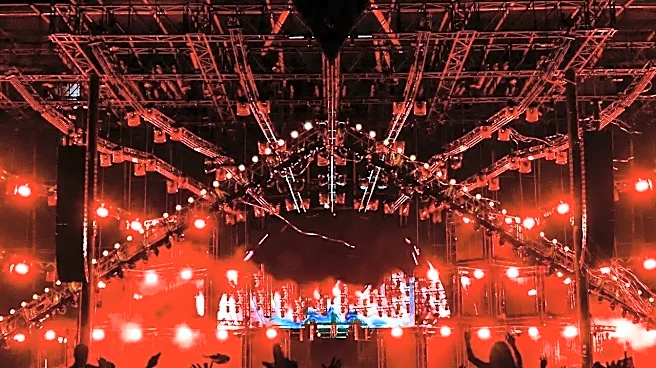
Instead of booking a broad mix of popular genres, the most iconic camps cultivate a specific sound. Camp Question Mark is famous for its dedication to hard-hitting bass music and powerful PK sound systems. Others, like the legendary Robot Heart art car,
became known for pioneering deep house sets in the far reaches of the playa. This sonic focus acts as a beacon, attracting a tribe of people who share a specific musical taste, creating an identity built on audio curation rather than a visual brand.
2. Immersive Thematic Art & Design
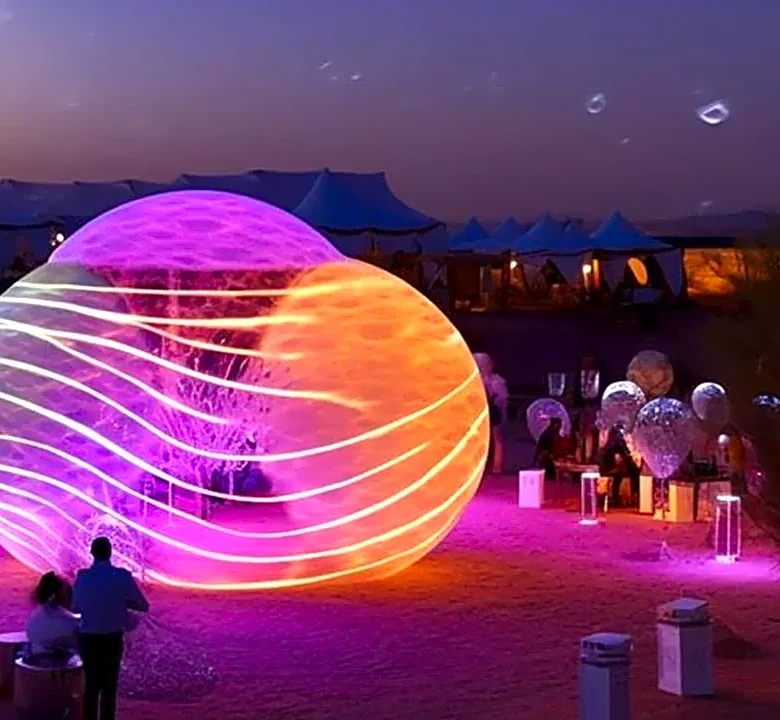
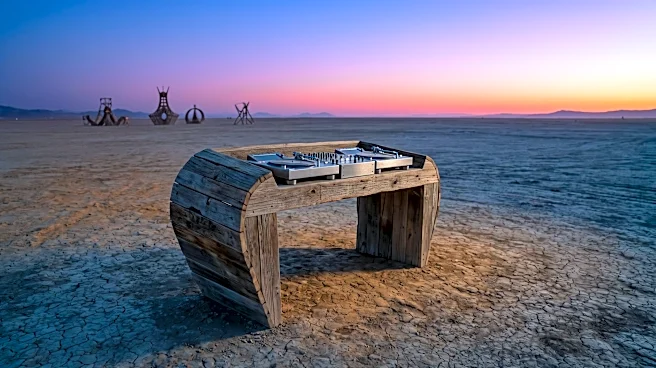
Sound camps are more than just speakers in the desert; they are elaborate, interactive art installations. A camp's visual theme—from the design of its DJ booth, like the 747 cockpit used by Ooligan Alley, to its chill spaces—creates a memorable world. The Mayan Warrior art car, for example, is a spectacle of lasers and intricate design that would be a landmark even without its famous DJs. This physical manifestation of a camp's creative spirit becomes its calling card.
3. The Power of a Symbol, Not a Logo
While corporate branding is forbidden, camps often develop a strong symbolic identity. Think of the iconic anatomical heart of Robot Heart. These symbols are not logos used for commercial promotion; they are signifiers of belonging and a shared ethos. They appear on camp-made flags or gear, functioning as emblems of a co-created culture, much like a family crest, rather than a brand designed to sell a product.
4. The Gift of a Unique Service
In Burning Man's gift economy, what a camp gives away defines it. Beyond music, many sound camps offer a unique gift to the community. This could be a 24/7 tea house, like the one at Soft Landing, a specific type of food, or a workshop series. This act of unconditional giving generates goodwill and word-of-mouth reputation, anchoring the camp's identity in generosity and contribution, two core tenets of the event.
5. Distinctive Crew Gear
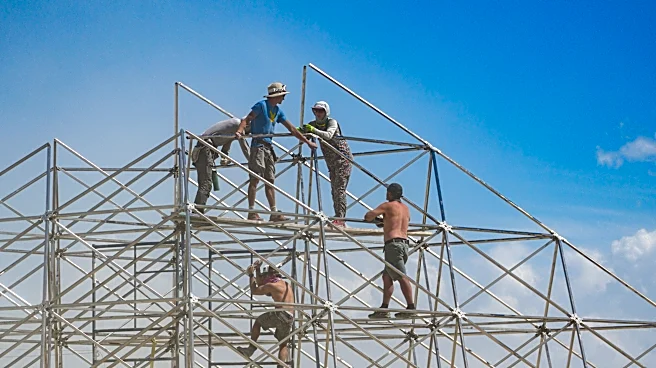
You won't find official merchandise for sale, but you will see camp members wearing distinctive, custom-made gear. These are not items for purchase but markers of participation and communal effort. This 'uniform,' whether a specific jacket, pendant, or hat, fosters a sense of unity and makes the crew identifiable. It signals who is part of the massive volunteer effort required to build and run the camp, turning labor into a visible part of the camp's identity.
6. A Curated Vibe of Radical Inclusion (or Exclusion)
Every camp cultivates a specific social atmosphere. While Radical Inclusion is a guiding principle of Burning Man, camps define their identity by the kind of space they create. Some are known for being wide open and welcoming to all, while others might foster a more intimate or intense vibe. This atmosphere is an intangible but powerful part of their identity, shaping who feels drawn to spend time there and defining the camp's social role in Black Rock City.
7. Building a Year-Over-Year Legacy
Reputation in Black Rock City is earned, not bought. Camps like Camp Question Mark have been building their presence for decades, since 1999. Newcomers like Kazbah started small and gradually earned their place by consistently 'upping the stakes' with better sound and bigger artists year after year. This long-term consistency and evolution builds a powerful legacy that functions as a historical brand, rooted in shared memory and experience.
8. Programming Beyond the Music
Many of the most memorable camps offer more than just a dance floor. Palenque Norte at Camp Soft Landing, for instance, is known for its speaker series featuring thinkers and creatives. By hosting talks, workshops, or communal meals, camps build an identity around a purpose that transcends partying. This positions them as cultural hubs, not just venues, attracting people who are interested in the ideas and community the camp fosters.
9. Strategic Location and Layout
Where a camp is located and how it's designed can define its identity. Camps on the Esplanade, the city's main promenade, have a high-energy, public-facing identity. Camps located deep in the residential streets or in the open playa have a more mysterious, destination-like feel. The internal layout—whether it's open and inviting or creates private nooks—also communicates the camp's philosophy on community and interaction.
10. A Shared Mission and Ethos
Ultimately, a sound camp's identity comes from its 'why.' The most respected camps are built around a shared mission, whether it's pushing the boundaries of sound technology, creating a platform for a specific artistic community, or simply fostering radical joy. This purpose-driven ethos, enforced by the camp leads and embraced by its members, is the invisible architecture that holds the entire identity together, ensuring it's more than just a party—it's a shared cultural statement.