



The Anatomy of a Timeless Classic
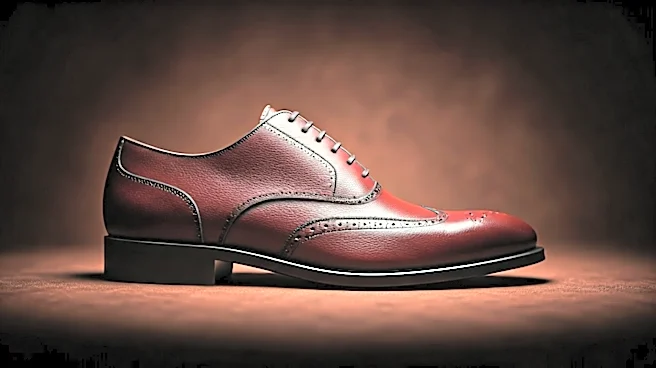
First, what makes a derby a derby? It’s all in the laces. The derby is defined by its 'open' lacing system, where the eyelet tabs are stitched on top of the vamp (the front part of the shoe). [2, 14, 18] This construction isn't just a stylistic choice;
it allows for a more adjustable and comfortable fit, especially for those with wider feet or a high instep. [2, 18] When a design is “Paris-inspired,” it suggests a focus on understated elegance, neutral colors, and quality materials over flashy logos. [4, 15, 17] A Parisian-style derby is sleek, minimalist, and versatile, designed to be worn with everything from tailored trousers to dark-wash jeans, embodying a chic, effortless aesthetic. [15, 20]
Thinking Like an Investor: The Cost-Per-Wear Metric
The core of investment logic in fashion is the concept of Cost-Per-Wear (CPW). [19] It’s a simple but powerful calculation: divide the total price of an item by the number of times you wear it. [22, 23, 25] A $100 pair of poorly made shoes that lasts for 20 wears has a CPW of $5. A $400 pair of expertly crafted derbies that you wear 800 times over a decade has a CPW of just $0.50. This mindset shifts the focus from the initial price tag to the long-term value. [19, 23] High-quality, timeless pieces may have a higher upfront cost, but their durability and versatility dramatically lower their cost-per-wear over time, making them a more economical and sustainable choice than their fast-fashion counterparts. [22, 24, 25]
Due Diligence: Full-Grain Leather and Goodyear Welting
An investor scrutinizes an asset’s fundamentals; a smart shoe buyer does the same with materials and construction. The best derby shoes are made from full-grain leather, the highest quality hide available. [3, 9] Unlike corrected grains, it hasn't been sanded down, so it retains its natural strength, character, and breathability. [6, 12] Full-grain leather is exceptionally durable, resistant to wear, and develops a rich patina over time, meaning it looks better with age. [3, 6, 7] Construction is equally critical. Many high-end shoes use a Goodyear welt, a method where a strip of leather (the welt) is stitched between the upper and the outsole. [1, 5] This makes the shoe more water-resistant and, crucially, allows it to be resoled multiple times by a cobbler, massively extending its lifespan. [1, 5, 10] A cheaper Blake-stitched shoe, where the sole is stitched directly to the upper, is harder to repair and less durable. [1, 8]
The 'Dividend' of Enduring Style
The return on this investment isn't just financial; it's stylistic. A well-made leather derby pays a “dividend” in the form of effortless versatility and quiet confidence. It’s a shoe that bridges the gap between formal and casual with ease. [2, 14] A sleek black or brown leather derby works perfectly with a suit for business settings, while a pair in suede or with brogue detailing can anchor a smart-casual look with chinos or denim. [2, 18] This adaptability is central to the Parisian ethos of building a wardrobe around a few essential, high-quality pieces. [17, 21] You’re not just buying an object; you’re investing in a solution—the right shoe for almost any occasion, one that provides comfort, durability, and a timeless aesthetic that won't fall out of style next season. [15]