
The Ultimate Fan Focus Group
Imagine a studio has a problem. A blockbuster film underperformed, a season finale angered the fanbase, or a new character just isn't connecting. Instead of issuing a sterile press release, they can walk
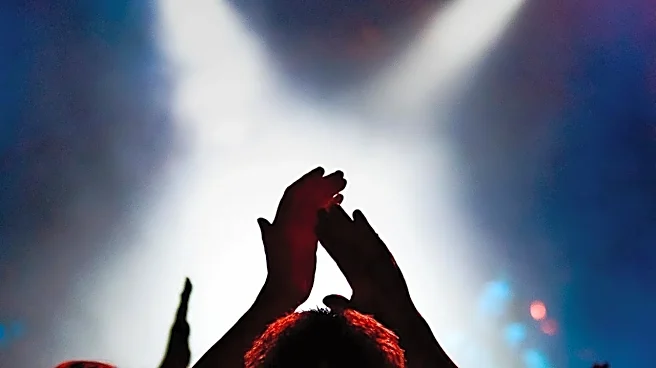
into the Javits Center and take their case directly to the people who matter most. NYCC offers an environment that is both intensely public and surprisingly intimate. The fans who attend panels are the most passionate and invested consumers a studio could ask for. Their immediate, unfiltered reaction—cheers, groans, or confused silence—provides more valuable data than a dozen carefully managed focus groups. Unlike online chatter, the energy in a convention hall is undeniable. Studios use this to gauge sentiment, test new ideas, and show they’re listening without explicitly admitting fault.
Tactics for a Turnaround
Pivoting at NYCC involves a specific set of plays. One classic move is the “surprise and delight.” A studio might bring out a beloved legacy actor for a new project to signal a return to form, instantly reassuring fans that the franchise is in good hands. Another is the “course-correction announcement.” At this year's convention, for instance, several panels for upcoming shows like Marvel's 'VisionQuest' and 'Daredevil: Born Again' are expected to provide clarity on direction after months of speculation online. This allows creators to reframe the narrative, explaining their vision directly. Even the structure of a panel is strategic. A Q&A session can be used to address specific controversies, allowing showrunners to explain a creative choice and win back trust. Showing an exclusive clip that directly contradicts a prevailing fan fear is another powerful way to change the conversation in an instant.
Gauging the Room in Real Time
The feedback loop is instantaneous. When Marvel holds its major television and animation panel, executives are watching the audience as much as the stage. A massive cheer for a new 'X-Men '97' character design or a lukewarm response to a different announcement provides an immediate data point that can influence marketing campaigns and even future creative decisions. This is where NYCC functions as a live-action A/B test. The specific announcements made at the con are often carefully selected. A studio might have three potential new comic book series in development but only announce the one they believe will generate the biggest, most positive response in the room, using that energy to build industry and fan hype. The reaction doesn't just stay in the room; it's amplified by hundreds of journalists and influencers who instantly broadcast it to the world, shaping the global narrative around a property.
When Pivots Don't Pan Out
Of course, this strategy carries significant risks. A poorly handled panel can backfire spectacularly. If fans feel they're being misled or that their concerns are being dismissed, the backlash can be more intense than if the studio had said nothing at all. Awkward Q&A responses, evasive answers from creators, or a trailer that lands with a thud can solidify negative sentiment rather than reverse it. Sometimes a franchise pivot fails simply because the new direction is as unpopular as the old one. The high-stakes environment means there's little room for error. An audience of devoted fans can spot inauthenticity from a mile away, and a failed pivot at a venue like NYCC can sometimes do more damage than the initial misstep, confirming to a wide audience that the people in charge don't understand the property.