





The Ultimate Roll of the Dice
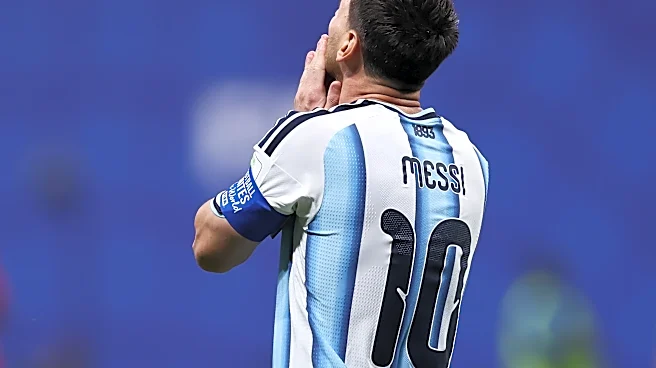
In the high-pressure cooker of a World Cup, a manager's decision to substitute a player is one of the most visible and consequential moves they can make. Look no further than the 2026 World Cup Round of 32 clash between Portugal and Croatia. With the game
tied late and his team struggling to contain Croatia's attacks, Portugal's coach made the shocking decision to take off superstar Cristiano Ronaldo. The move was met with disbelief from fans and Ronaldo himself, but it proved to be a masterstroke. The substitute who came on as part of the tactical shuffle, Gonçalo Ramos, scored a dramatic late headed goal that sent Portugal through to the next round. It was a perfect, high-stakes example of how a single change can be the difference between heartbreak and glory. These moments are not just luck; they are the result of strategy, psychology, and sometimes, sheer audacity.
The Tactical Overhaul
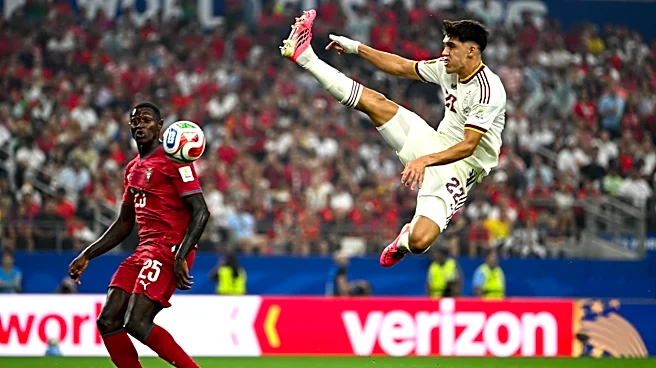
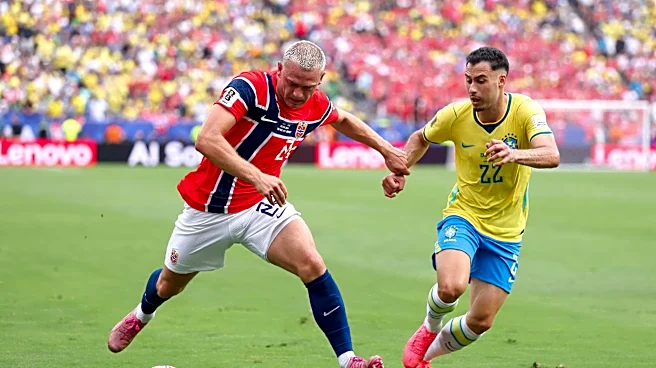
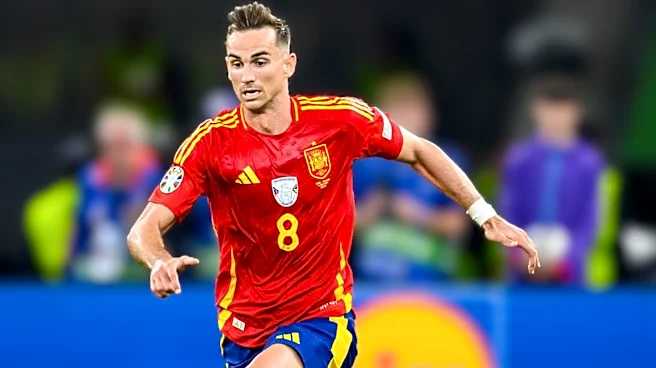
The most common reason for a substitution is to enact a tactical shift. A team that's protecting a narrow lead might bring on an extra defender for an attacker to solidify the back line, a move often called “parking the bus.” Conversely, a team chasing a goal might do the opposite, sacrificing a defender for another striker in a desperate, all-out offensive push. A study of substitutions in Germany's top league confirmed that these changes have a measurable effect, with offensive subs leading to greater control in the attacking third of the field, while defensive subs increase a team's compactness. This is the chess match within the game, where a manager reads the flow of play and brings on a player whose specific skills can exploit an opponent’s weakness, like a speedy winger to attack a tired fullback.
The Chaos Agent
Sometimes, a team doesn’t need a new plan—it just needs chaos. This is the role of the “impact sub” or “super-sub,” a player whose primary job is to disrupt the opponent's rhythm and create havoc. These players often possess blistering pace, relentless energy, or a physical presence that unsettles a weary defense. The legendary Ole Gunnar Solskjær, nicknamed the "Baby-faced Assassin" at Manchester United, was the master of this role. He famously came off the bench to score the winning goal in the 1999 Champions League final in injury time. These players change the psychological dynamic of the game. The defending team, which had been comfortable, suddenly has a new and unpredictable problem to solve in the game’s most crucial moments.
The Specialist
In certain situations, a manager needs a very particular set of skills. This is where the specialist comes in. Is the game heading to a penalty shootout? Time to bring on the backup goalkeeper who has a reputation for saving spot-kicks, as Dutch manager Louis van Gaal famously did with Tim Krul at the 2014 World Cup. Krul came on just for the shootout and saved two penalties, winning the match. Other specialists include towering central defenders brought on in the final minutes to defend against late crosses or, conversely, a giant striker thrown on to be a target for hopeful long balls into the box. Mario Götze became a German national hero by playing this role to perfection, coming on as a substitute in the 2014 World Cup final to score the winning goal in extra time.
The Emotional Spark
Beyond tactics and physical attributes, a substitution can provide a powerful emotional lift. Bringing on a beloved club legend or an energetic young player can galvanize both the crowd and the players on the field, injecting a surge of belief and momentum. For the player being substituted, however, the experience can be difficult, often leading to frustration and anxiety. But for the team, seeing a teammate run onto the field with fresh determination can be the jolt of energy needed to turn the tide. It signals that the manager is actively trying to win, not just settling for the current state of play. This change in morale can be just as impactful as any tactical switch, reminding everyone that the final whistle hasn't blown and the game is still there for the taking.