







The King In Exile
To understand the sheer audacity of Black Orchid, you have to remember the context of its birth. In 2004, Tom Ford departed from the Gucci Group after a decade-long run that saw him transform the near-bankrupt leather goods brand into a global fashion
powerhouse valued in the billions. His tenure was legendary, marked by provocative advertising and a slick, sensual aesthetic that defined the 1990s. But his exit, stemming from a power struggle, was acrimonious and public. The fashion world waited to see what the man who had seemingly done it all would do next. He wasn't just launching a product; he was proving that his vision, his name, and his talent could thrive outside the established system he had revitalized. He had everything to prove.
A Bet on a Phantom Flower
Instead of launching with a sprawling ready-to-wear collection, Ford chose to enter the market with a fragrance, a partnership with Estée Lauder. It was a shrewd business move, leveraging the high-margin world of beauty to finance a larger brand. But this wouldn't be a safe, celebrity-endorsed scent. Ford fixated on an idea: a perfume built around the black orchid, a flower that is more myth than botanical reality. Naturally occurring orchids don't bloom in true black, only shades of deep purple or chocolate. Fascinated by this idea of an elusive, engineered beauty, Ford reportedly commissioned a California horticulturist to cultivate the darkest possible orchid through cross-pollination. The flower became a metaphor for the brand itself: rare, luxurious, and intentionally crafted, not just found.
The Scent of Disruption
Launched in 2006, Black Orchid was a deliberate rebellion against the clean, light, and fruity-floral fragrances that dominated the market. Created with perfumers David Apel and Pierre Negrin of Givaudan, the scent was designed to be polarizing. Ford wanted to create something with the richness of old-fashioned perfumery but with a modern structure. The composition was shocking for a mainstream designer launch. It opened with an earthy, almost savory note of black truffle, paired with ylang-ylang and black currant. The heart was a heady mix of dark florals and fruit, anchored by the fantasy black orchid accord, while the base settled into a decadent blend of patchouli, incense, vanilla, and dark chocolate. It was complex, dark, and overtly sensual—a scent designed to make a statement, not to please the masses.
An Unapologetic Arrival
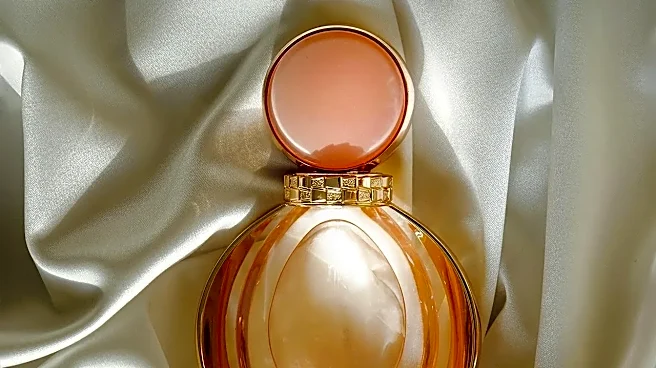
The presentation was as bold as the scent. The fluted black glass bottle, inspired by Art Deco and classic apothecary design, felt substantial and timeless. With its hand-tied gold cord and engraved plate, it looked like an artifact from a more glamorous era, something to be kept rather than discarded. The advertising was pure Tom Ford: sensual, atmospheric, and just shy of scandalous for a department store counter. Black Orchid was not marketed as a universally appealing gift. Instead, it was presented as a choice for a specific kind of person—confident, individualistic, and unafraid of commanding attention. Ford also rejected strict gender lines, anticipating the unisex trend by years; he noted that men were quickly drawn to the fragrance, and today they make up a significant portion of its wearers.
The Fragrance That Built a House
Black Orchid was a massive commercial success. It did more than just sell well; it provided the financial and cultural foundation for the entire Tom Ford brand. The fragrance's profits helped fund the launch of his menswear, womenswear, eyewear, and full cosmetics lines. It established the DNA of his solo brand: luxurious, intelligent, and unapologetically sexual. The scent became a cult classic, winning numerous awards and eventually being inducted into the Fragrance Hall of Fame. It raised the bar for what a mainstream designer fragrance could be, proving that a bold, niche-style concept could have blockbuster appeal and shifting the market toward richer, more complex scents.