










The Rhythm of the Crowd
The single biggest difference isn't volume; it's rhythm. In most American sports, crowd noise is reactive and situational. Think about an NBA playoff game: the crowd roars on a fast break, gets loud for a crucial defensive possession, erupts after a dunk,
and goes relatively quiet during a free throw. The sound is a series of explosions tied directly to on-court action. International soccer fandom operates on a different principle: persistence. The most dedicated fan sections, or 'ultras,' don't just react to the game; they provide its 90-minute soundtrack. Their goal is to create an intimidating and inspiring atmosphere through continuous, organized singing, chanting, and drumming. It’s not about waiting for a big play. It’s about maintaining a constant river of noise that ebbs and flows in intensity but never stops. This constant, unyielding pressure is what feels so alien and hostile, much like the relentless energy a home crowd directs at a visiting team in a do-or-die game.
The Architecture of Sound
The venue itself plays a massive role in shaping what you hear. A basketball or hockey arena is an enclosed box. It’s designed to trap sound, creating sharp, deafening echoes. A single loud noise reverberates, amplifying the percussive nature of the cheers. That’s why the 'pop' of an arena after a game-winning shot feels like a physical force.
Most major soccer stadiums, by contrast, are open-air bowls. Sound isn’t trapped; it billows. A chant from one end of the stadium rolls across the pitch to the other, blending with other songs and the general hum of 80,000 people. This creates a less piercing but more omnipresent and immersive soundscape. It's not a series of sonic jabs but a deep, rolling tide of noise that surrounds you. That vast, open-air hum, punctuated by coordinated songs from thousands of people, feels fundamentally larger and more epic than the contained chaos of an arena.
A Different Kind of Songbook
The content of the noise is also profoundly different. American stadium chants are typically short, simple, and direct: “DE-FENSE!,” “LET’S-GO-[TEAM]!,” or the simple, effective boo. It’s a limited vocabulary designed for maximum participation with minimal coordination.
In contrast, soccer fan groups in Europe and South America have literal songbooks—collections of chants and full-throated songs, often set to popular melodies, with lyrics that tell the history of the club, insult rivals, and celebrate heroes. These aren’t just a few words repeated ad nauseam. They are complex, multi-verse anthems that require practice and leadership from a 'capo' (chant leader) with a megaphone. The sound of 10,000 people singing the same intricate lyrics in unison creates a powerful, unified front that feels more like a choral performance or a disciplined army than a spontaneous crowd.
The Broadcast Brings It Home
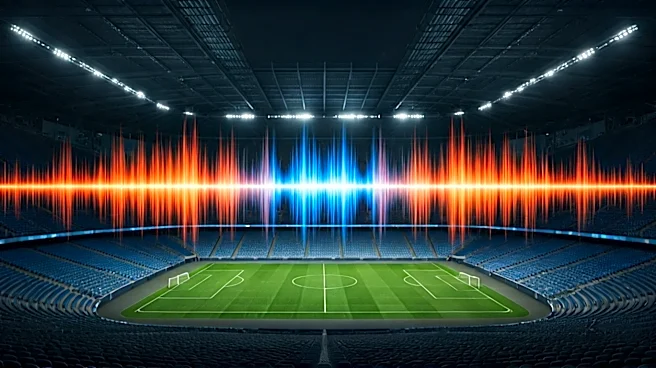
Finally, you feel this way because television producers want you to. Broadcasting a global event like the World Cup is as much about selling the atmosphere as it is about showing the game. Audio engineers use dozens of carefully placed microphones to capture the distinct sounds of the crowd—the drumming from the supporter section, the melody of a specific chant, the collective gasp of the main stands. They then create a rich, layered audio mix that prioritizes this ambiance.
For a domestic NBA broadcast, the priority is often on-court sound—the squeak of sneakers, the bounce of the ball, and the clarity of the commentators. For a World Cup broadcast, the crowd *is* a primary character in the drama. The audio mix is intentionally designed to make you feel the scale and passion of the event, which often translates to feeling like you’re right in the middle of that intimidating wall of sound.