

An Idea Born of Freedom
While wrapped garments have existed for centuries across cultures, from the Hawaiian paʻu to the Egyptian schenti, the modern wrap skirt’s story begins in the 1970s. This era was a turning point for American women, who were entering the workforce in greater
numbers and demanding clothing that was both professional and practical. Designer Diane von Furstenberg famously captured this spirit with her iconic wrap dress, introduced in 1974. She initially created wrap tops and skirts as separates before combining them into the dress that made her a household name. The idea was simple but revolutionary: create a garment that was feminine without being fussy, empowering women with effortless elegance. It was a direct response to a need for clothing that offered liberation, comfort, and confidence.
The Genius is in the Simplicity
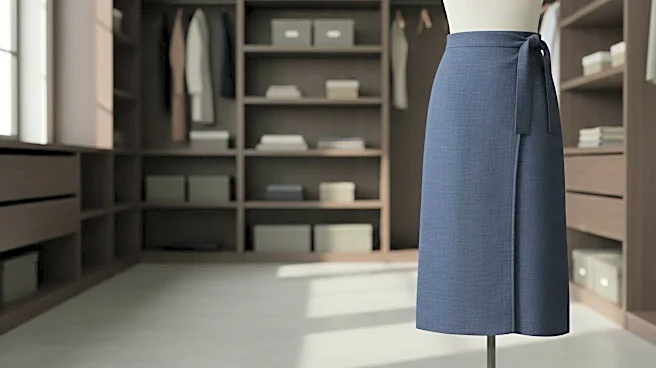
The true staying power of the wrap skirt lies in its deceptively simple design. Unlike garments with rigid zippers and fixed waistbands, the wrap skirt is defined by its adaptability. The tie closure allows it to be adjusted for a personalized fit, meaning it can comfortably accommodate natural fluctuations in a person's body over time. This forgiving nature is a key reason for its universal appeal. The cut itself is also a work of subtle genius. The overlapping fabric creates a flattering diagonal line across the body, while the gentle A-line shape drapes beautifully over hips without clinging. This combination creates an elegant silhouette that enhances a wide variety of body types, cinching the waist and providing comfort and confidence.
The Ultimate Style Chameleon
A garment doesn't become a classic without versatility, and the wrap skirt is a master of transformation. It has no fixed identity, which allows it to adapt to nearly any aesthetic. In a lightweight cotton or silk, it's the perfect breezy piece for a summer vacation. Styled with a crisp blouse and loafers, it becomes a chic and comfortable office-appropriate option. In the colder months, a wool or knit version paired with boots and a sweater offers cozy sophistication. It can be dressed up for a date night with heels and a silky camisole or dressed down for a casual weekend with a simple t-shirt and sneakers. This ability to seamlessly transition between occasions, seasons, and personal styles is fundamental to its longevity.
More Than a Skirt, It's a Philosophy
By 1976, millions of Diane von Furstenberg's wrap dresses had been sold, cementing the wrap silhouette as a symbol of a new kind of woman: independent, confident, and in charge. That ethos is woven into the very fabric of the wrap skirt. It’s a piece of clothing that doesn't demand the wearer conform to it; it conforms to the wearer. In a world of fast fashion, where items are often designed to be disposed of after a season, the wrap skirt stands as a quiet statement of sustainability and practicality. Its timeless design ensures it never truly goes out of style, making it a reliable workhorse in any wardrobe. It represents a philosophy of dressing that prioritizes ease, function, and enduring style over fleeting fads.