



The Simplicity of a 'Perfect' Pair
First, consider what it takes to make a standard, non-distressed pair of jeans. The process is a marvel of industrial efficiency. Large bolts of raw denim, a sturdy twill-weave cotton fabric, are cut into pattern pieces by automated machinery. From there,
the pieces move down an assembly line where they are sewn together in a series of over 20 distinct operations, from attaching pockets to creating strong inseams. After assembly, the jeans are typically given a simple rinse wash to remove any starch from the fabric and prevent shrinkage. The goal is uniformity and consistency. Every pair should look identical, a testament to a streamlined, largely automated process designed for speed and scale.
The Art of Intentional Destruction
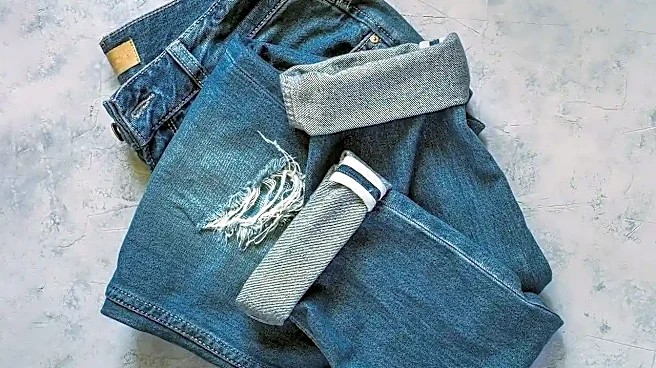
Creating distressed denim, however, is where manufacturing pivots from simple assembly to a form of applied art. The goal is to replicate the natural fades, whiskers (the crease lines at the hips), and tears that would otherwise take years of wear to develop. This process of 'deconstruction' is anything but simple and can involve a surprising amount of manual labor and advanced technology. The irony is that making something look old and used requires a whole new set of intentional, time-consuming steps. It’s not about damage; it’s about controlled character creation.
From Hand-Sanding to Laser Beams
There are two main routes to creating that coveted worn-in look: by hand or by machine. The traditional, artisanal approach involves skilled workers manually attacking the denim. They might use sandpaper or grinding tools to create soft fades on the thighs and seat, or pumice stones to gently abrade the surface. For specific fraying around pockets and hems, workers might use small rotary tools. This manual method allows for unique, one-of-a-kind patterns, but it's slow and heavily dependent on the artisan's skill. Enter the high-tech alternative: lasers. Modern denim factories now use powerful laser systems to essentially "burn" or etch wear patterns onto the fabric with incredible precision. A digital design can be programmed to create identical whiskers, fades, and even the appearance of rips across thousands of garments in seconds. While faster and more consistent, this method requires significant investment in technology and programming. Often, a hybrid approach is used, where lasers create the base pattern and hand-finishing adds the final authentic touches.
The Added Cost of Looking Worn
All these extra steps—whether manual or technological—add up. The labor cost for a hand-sanded pair of jeans is significantly higher than for a standard pair that just needs to be sewn and rinsed. Even with lasers, the cost of the machinery, the energy required to run it, and the skilled technicians to operate it contribute to the bottom line. Furthermore, the distressing process can have a higher rejection rate; if a rip is too big or a fade is in the wrong place, the garment may be ruined. This extra labor, specialized machinery, and potential for waste are all factored into the final price tag you see in the store. You're not paying for less fabric; you're paying for the time, skill, and technology required to make it look like you've cherished those jeans for a decade.