

The Line Becomes the Main Stage
At any other event, a multi-hour queue is a logistical failure. At New York Comic Con, it’s the first act. Organizers and veteran attendees know that the wait is part of the experience, a ritual that transforms thousands of strangers into a temporary
community. Here, fans don’t just wait; they connect, sharing theories about the upcoming Marvel panel, comparing notes on which artists to visit in Artist Alley, and admiring each other's cosplay. The line is where strategies are formed for tackling the massive show floor and friendships are forged over a shared love for a niche manga or a long-running sci-fi series. Event organizers have leaned into this, creating a more structured and, in some ways, more comfortable waiting experience over the years, tacitly acknowledging that the pre-show buzz is an attraction in its own right.
The Promise of the Big Reveal
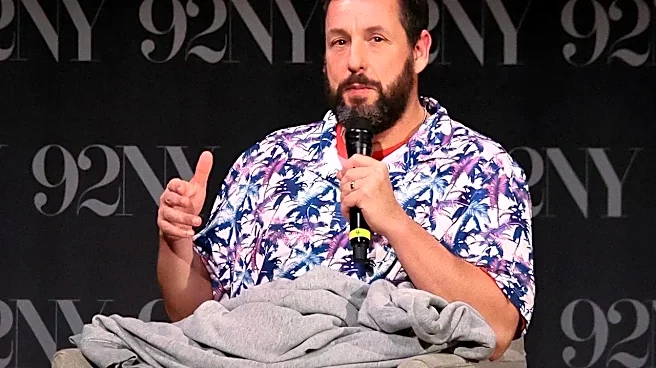
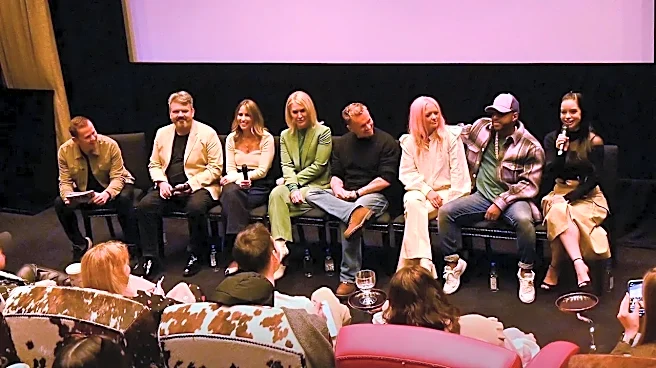
The entire engine of NYCC runs on the promise of what’s next. Studios like Marvel and streaming services like Prime Video don't just host panels; they orchestrate mass revelations. For the 2026 convention, the schedule is packed with teases for highly awaited projects like “Blade Runner 2099” and the next season of “VisionQuest.” These panels are designed to be more than just Q&As; they are carefully produced events built to crescendo with a world-premiere trailer or a surprise cast announcement. The shared gasp, the roar of the crowd when a beloved character appears on screen for the first time—that collective emotional release is a powerful form of entertainment. Fans wait for hours, not just to see the new footage, but to experience seeing it together. The value isn't just the information; it's the communal reception of it.
A Treasure Hunt for Exclusives
Beyond the panels, anticipation is manufactured and sold in the form of exclusive merchandise. Major exhibitors like DC and Funko release limited-edition comics, figures, and apparel that are only available at the convention. This creates a massive, floor-wide treasure hunt. The process often involves digital queues, pre-show lotteries, and a palpable sense of urgency. Getting your hands on a rare item isn't just a transaction; it's a victory. The hunt itself—planning your route, monitoring app alerts, and even the disappointment of missing out—fuels the convention's economy of hype. The object becomes a trophy, a physical representation of being there, in that moment. The anticipation of the “drop” and the thrill of the successful purchase provide a dopamine hit that panels alone can't replicate.
Cosplay: The Performance of Fandom
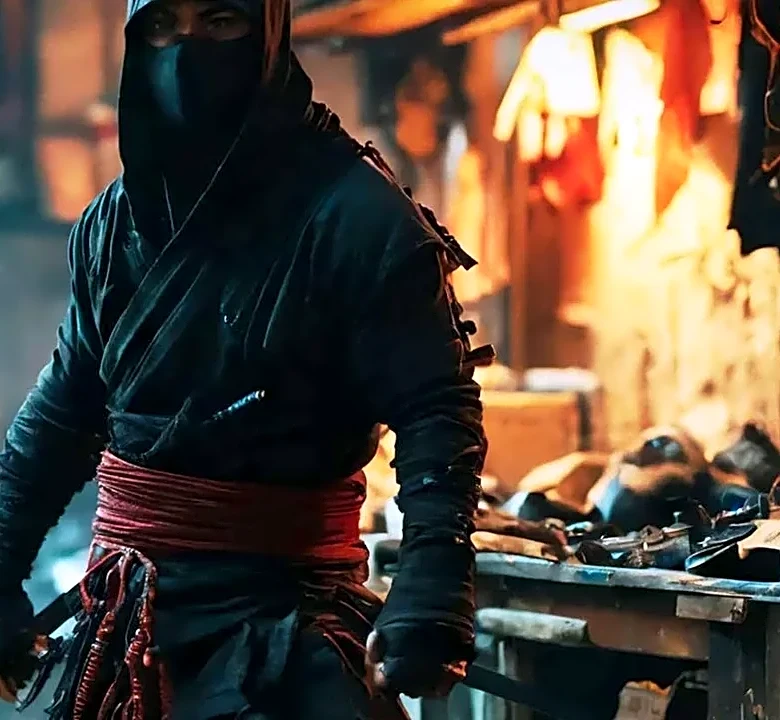
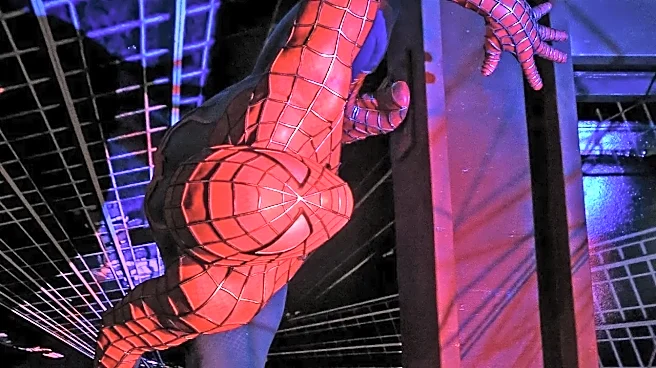
Cosplay turns the entire Javits Center into a living, breathing spectacle where attendees are both the audience and the performers. The anticipation here is twofold: the excitement of seeing incredible, screen-accurate costumes in person, and for the cosplayers themselves, the anticipation of being seen and celebrated. Months of work culminate in four days of performance. Dedicated spaces like Cosplay Central and planned meetups provide a stage, but the entire convention floor is a runway. The simple act of walking from one end of the building to the other can become an interactive experience, with fans stopping cosplayers for photos and sharing their admiration. This culture of mutual appreciation creates an environment where the fandom itself is a primary source of entertainment, driven by the shared excitement of seeing beloved characters brought to life.