







The All-Cotton Mistake
It’s the most common error in the book: wearing cotton. That favorite old race tee or basic pair of gym socks might feel soft at the start, but cotton is a runner's worst enemy. The fabric is highly absorbent, meaning it soaks up sweat like a sponge and
holds it against your skin. In warm weather, this creates a heavy, clingy, and chafing mess. In the cold, a wet cotton layer can be dangerous, as it loses all insulating properties and can dramatically lower your body temperature. The mantra among seasoned runners is simple: "cotton is rotten." Instead, look for technical fabrics like polyester, nylon, or merino wool, which are designed to be moisture-wicking. They pull sweat away from your skin to the fabric's surface, where it can evaporate, keeping you drier and more comfortable.
Ignoring the Fit
Fit isn't just about how you look; it’s about function. Clothing that is too baggy can get in the way, snag on things, and cause significant chafing as the loose fabric rubs against your skin. On the other end, gear that’s too tight can restrict your range of motion and cause uncomfortable constriction. Modern running apparel is designed to move with your body. It should fit snugly enough to not be a distraction but allow for a full, natural stride. This is why many runners opt for form-fitting tights and tops made with spandex blends. These garments reduce friction and often provide light compression, which some runners find improves circulation and reduces muscle fatigue. The goal is to find clothes that feel like a second skin, so you can forget about them and focus on your run.
Dressing for the Wrong Temperature
It's a classic scene: a new runner heads out on a chilly morning bundled up like they're trekking to the North Pole, only to be overheating and shedding layers a mile later. A key rule of thumb for cold-weather running is to dress as if it were 10 to 20 degrees warmer than the actual temperature. You should feel slightly cool when you first step outside. Your body will generate plenty of heat once you get moving. Layering is crucial. Start with a moisture-wicking base layer, add an insulating middle layer if needed, and top it with a windproof or waterproof jacket for protection from the elements. Conversely, in hot weather, the mistake is not prioritizing breathability. Opt for the lightest, most minimal clothing possible, like a tank top and loose shorts, to maximize airflow to your skin.
Forgetting About Your Feet
You spent a fortune on the perfect running shoes, but you're still getting blisters. The problem might be what's inside them: your socks. Just like with shirts and shorts, cotton socks are a major misstep. They trap moisture, which softens the skin and makes it far more susceptible to the friction that causes blisters. A good pair of technical running socks is one of the best investments you can make for your comfort. Made from synthetic blends or merino wool, these socks wick moisture away, provide cushioning in high-impact zones like the heel and ball of the foot, and often feature seamless construction to prevent rubbing. Many are also anatomically designed for a left and right foot, ensuring a perfect, no-slip fit that eliminates fabric bunching.
Neglecting Safety and Visibility
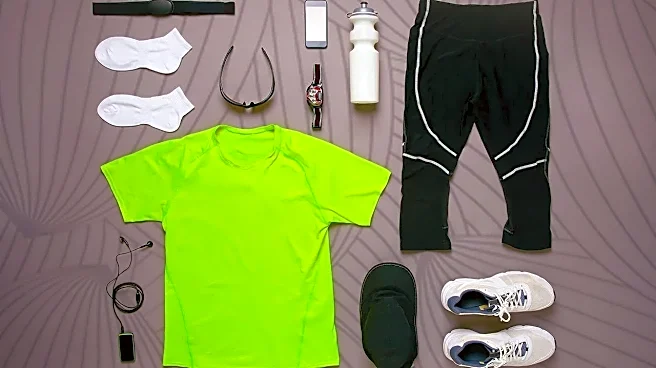
Your running outfit isn't complete until you've considered safety, especially if you run in the early morning, evening, or in high-traffic areas. Many runners make the mistake of wearing dark, non-reflective clothing, making them virtually invisible to drivers. Modern running gear often incorporates reflective elements, but it's wise to choose bright, fluorescent colors for your main apparel pieces to enhance daytime visibility. For low-light conditions, supplementing your outfit with a headlamp, reflective vest, or clip-on flashing lights is essential for ensuring you are seen. It’s a simple step that has less to do with performance and everything to do with ensuring you make it home safely from every run.