


From the Workshop to the World Stage
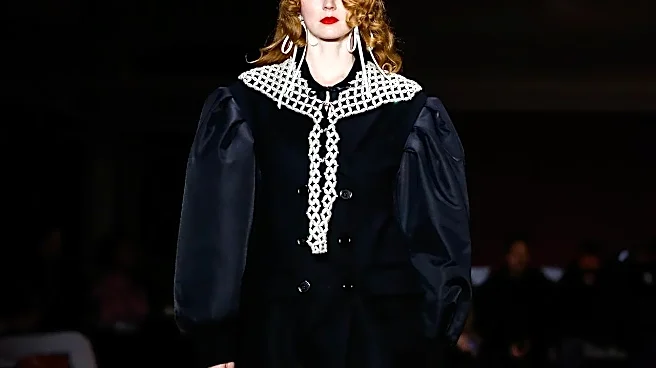
When a designer features a hand-embroidered garment or a uniquely woven textile on the runway, the most immediate benefit for the artisan is economic. A commission from a London designer isn't just another order; it's a high-profile validation that often
comes with better pay than typical market rates. This exposure can transform a small, local workshop into a business with international reach. Buyers and press from around the world attend these shows, and a single, stunning piece can lead to a flood of interest, new commissions, and direct inquiries. The runway effectively acts as a global megaphone, turning a craftsperson's skill into a sought-after commodity and providing the financial fuel to sustain their work.
A Renaissance for Endangered Skills
Many traditional crafts are at risk of disappearing, as younger generations may not see a viable future in learning time-intensive skills. London's runways are playing an unexpected role in reversing this trend. When a designer like Paolo Carzana commits to using only natural dyes or a brand like Bethany Williams collaborates with community craft projects, they do more than create a beautiful collection. They cast a spotlight on endangered techniques, creating a narrative that elevates the craft itself. This renewed attention can spark interest among a new generation of potential artisans, create demand for workshops, and give cultural practices a fresh sense of relevance and urgency. Suddenly, a fading art form has a new story and a compelling reason to be preserved.
Redefining What Luxury Means
For years, luxury was synonymous with a famous brand name. Today, that definition is changing. Consumers are increasingly interested in the story behind their purchases: who made it, how was it made, and what does it represent? Highlighting craftsmanship on the runway directly feeds this hunger for authenticity. A visibly hand-stitched seam or a complex, hand-loomed fabric tells a story of human effort and skill that mass production cannot replicate. This shift is crucial. It reframes luxury as a measure of artistry, time, and uniqueness rather than just a logo. By presenting these handcrafted elements in a high-fashion context, designers teach the audience to see the immense value in technique, creating a more conscious and appreciative consumer base.
The Powerful Ripple Effect of Collaboration
A single runway collaboration can set off a chain reaction of opportunity. Once an artisan's work is seen in a prestigious show, other designers often take notice. This can lead to a series of projects that provide a stable income stream. Beyond the fashion world, it can result in magazine features, museum exhibitions, and inclusion in craft festivals like London Craft Week. Furthermore, it can build the artisan's own brand, empowering them to sell directly to consumers who appreciate their work. This ripple effect helps build a robust and diverse ecosystem for craft, one where artisans are not just anonymous suppliers but are recognized as creative partners and essential contributors to the cultural landscape. However, this relationship must be a true collaboration, with designers giving credit and fair compensation to avoid exploitation.