


The Wild West on Wheels
In the early days of Burning Man in the Nevada desert, the vehicle situation was pure, unadulterated chaos. People could drive their regular cars anywhere they pleased, and a few enterprising artists started decorating their rides. But as the event grew
through the mid-1990s, so did the problems. With thousands of participants on foot and bikes, the presence of freely roaming cars became a serious safety issue. In 1996, a couple was run over in their tent by a car, highlighting the growing danger. The vibe was less artistic expression and more Mad Max. It was clear that for the city to be safe for pedestrians and cyclists, something had to change. A general driving ban was instituted, but that created a new problem: how to allow for the incredible mobile art that was becoming a hallmark of the event?
The Birth of a Quirky Bureaucracy
The answer came in 1999 with the formal creation of the Department of Mutant Vehicles, or DMV. The name was a deliberate, playful jab at the dreaded Department of Motor Vehicles of the outside world. Its mission was twofold: to ensure safety and to foster creativity. Early on, the term was simply "art car," but organizers realized it was too broad. Was a van with some flowers taped to it really the same as a vehicle completely rebuilt from scratch into a dragon? To solve this, the DMV created the specific classification of a "Mutant Vehicle." This new standard was designed to license only the most radically altered creations, creating an incentive for artists to go bigger and bolder with their designs.
What Makes a Vehicle 'Mutant'?
According to the DMV's own criteria, a mutant vehicle must be a motorized creation that shows little to no resemblance to its original form. Sticking a few decorations on a pickup truck won't cut it. The goal is radical transformation. Think of a 1974 Chevy pickup becoming a massive metal rhino, or a 1973 Ford 250 chassis being reborn as a giant mechanical octopus that shoots fire. Beyond the visual mutation, vehicles must be safe, with a top speed of 5 mph, working brakes, and no sharp protrusions. They must also be radically illuminated for nighttime operation, turning the desert into a surreal, moving light show. Finally, a key component is interactivity—the vehicle should offer something back to the community, whether it's a ride, a performance, or just pure spectacle.
The Rise of the Sound Car
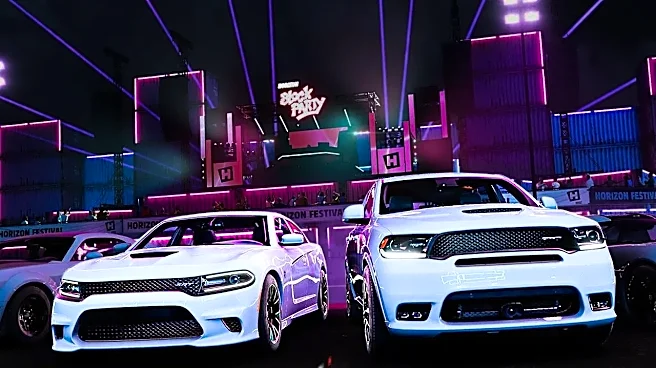
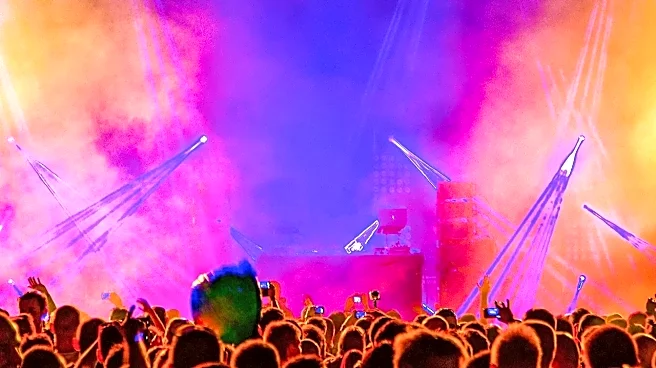
As the mutant vehicles became more elaborate, a new sub-genre emerged: the mobile sound system. Electronic music has a long, and initially contentious, history at Burning Man. The first sound camp in 1992 was met with hostility from some participants who came to the desert for quiet escape. But by the 2000s, dance music was an integral part of the culture. Mutant vehicles evolved to facilitate this, with some creators building double-decker buses with DJ booths and dance floors, essentially becoming roving nightclubs. These "sound cars" grew to boast stadium-quality systems, turning parts of the open playa into massive, spontaneous dance parties. This created a new challenge: sound pollution. In response, the organization designated specific "Deep-Playa Music Zones" (DMZs), where large-scale sound cars can park and play without disturbing quieter areas of the event.
A System of Organized Wonder
Today, the Department of Mutant Vehicles is a massive, volunteer-run operation. It processes nearly 1,000 applications each year, licensing around 650 vehicles to roam Black Rock City. The process is rigorous, involving submitting detailed plans, photos, and safety features for approval long before the event begins. On-site, each vehicle must pass a physical inspection for safety and lighting before it's granted its license. What began as a solution to a safety problem has become a core pillar of Burning Man's identity. The DMV succeeded not by stamping out the anarchic creativity of the early days, but by channeling it, creating a framework that made the art safer, more ambitious, and ultimately, more spectacular for everyone.