




First, What Is a 'Deep Winter'?
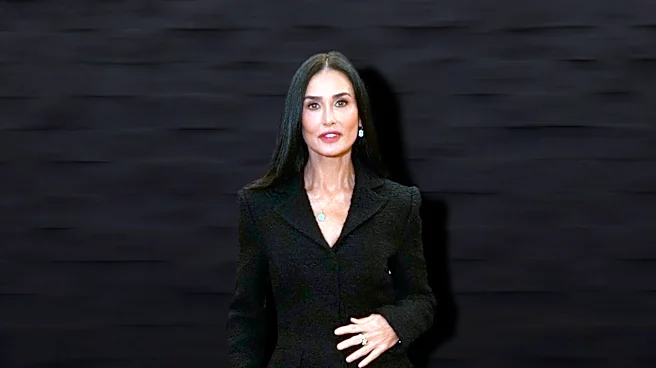
In the world of seasonal color analysis, Deep Winter (sometimes called Dark Winter) is defined by three main characteristics: cool or neutral-cool undertones, deep value (meaning dark overall coloring), and high contrast. Think of Anne Hathaway or Keanu
Reeves—people with dark hair, often dark eyes, and skin that can range from fair to deep, creating a striking visual impression. The palette includes intense, saturated colors like true black, ruby red, sapphire blue, and icy white. These shades are meant to echo and amplify the natural drama in a person's features, making them look powerful and clear.
The Core Conflict: Competing Color Systems
The primary reason for disagreement lies in the evolution of color analysis itself. The original, simplified four-season model (Spring, Summer, Autumn, Winter) has expanded into more nuanced 12-season and even 16-season systems. In a simple four-season world, all Winters were grouped together. But the 12-season model splits Winter into three sub-categories: True (or Cool) Winter, Bright Winter, and Deep (or Dark) Winter. Deep Winter is the bridge season, sitting between True Winter and Deep Autumn. This is where the trouble starts. Stylists trained in different systems, or those who adhere to a more rigid interpretation, will have fundamentally different ways of classifying people who fall in this middle ground. A stylist using a "tonal" approach might prioritize the "deep" characteristic above all else, while another focuses purely on the cool undertone.
The Great Undertone Debate: Cool vs. Neutral-Cool
Here's the million-dollar question: Can a Winter have any warmth? Traditionalists say no; Winter is purely cool. But more modern systems recognize that Deep Winters often have a neutral-cool undertone, meaning there's a whisper of warmth that gives their coloring depth and richness, rather than the icy quality of a True Winter. This is especially true for people with olive skin tones, who can be incredibly difficult to type. A stylist might see the slight warmth and immediately push the client toward Deep Autumn, whose colors are warmer, more muted, and earthier. This single distinction—cool versus neutral-cool—is responsible for countless misdiagnoses and endless debate in online forums.
Art vs. Science: The Subjectivity Problem
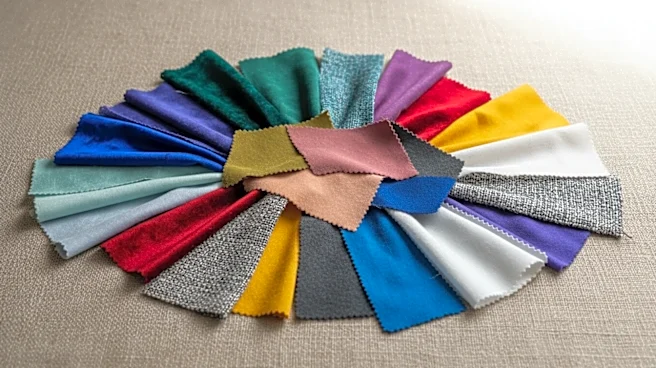
Ultimately, color analysis is an interpretive skill, not a hard science. A stylist's conclusion is affected by numerous factors: the lighting in the room, the quality of the color drapes used, and their own perceptual biases. Even with standardized tools, one person’s “clear and harmonious” is another’s “slightly off.” Furthermore, many people have coloring that doesn't fit neatly into one box. For example, someone might have the dark features of a Deep Winter but a lower natural contrast, causing some of the palette's most intense colors to feel overwhelming. A good stylist knows the rules are a starting point, not an unbreakable law, but disagreements arise over where and when to bend them.
Why This 'Stylist Drama' Matters for Your Closet
This isn't just industry inside baseball; it directly impacts your wardrobe and confidence. Being typed as a Deep Winter gives you permission to wear bold black, crisp white, and vibrant jewel tones. But if a stylist pushes you into Deep Autumn, you're suddenly told to favor espresso brown, warm navy, and rich olive green. While the palettes share a need for depth, their temperature and clarity are different. Wearing colors that clash with your true undertone can make you look tired, sallow, or uneven. Understanding the disagreement helps you advocate for yourself and critically assess why a certain color recommendation might not feel right, even if it came from a professional.