




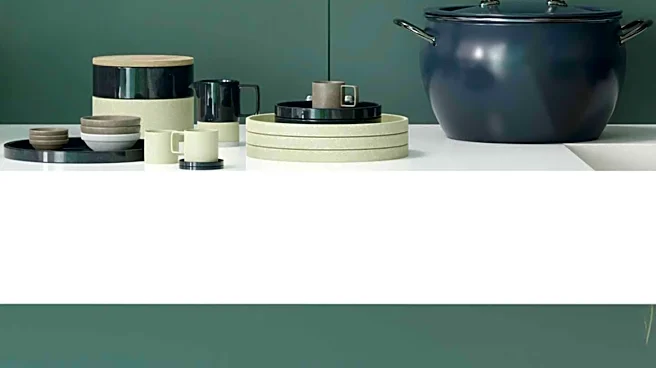
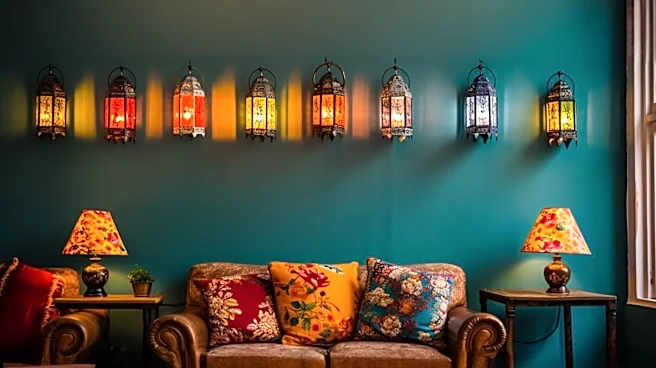
The Reign of Refined Minimalism
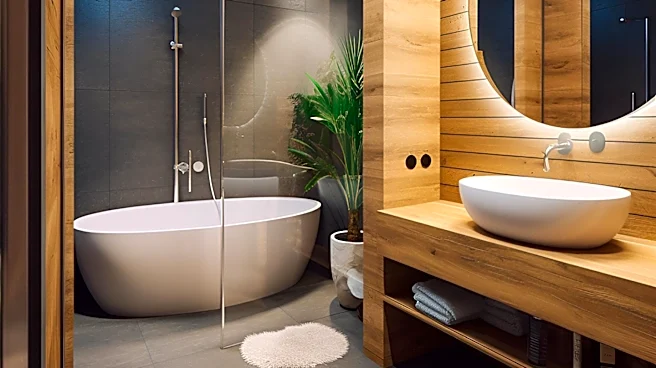
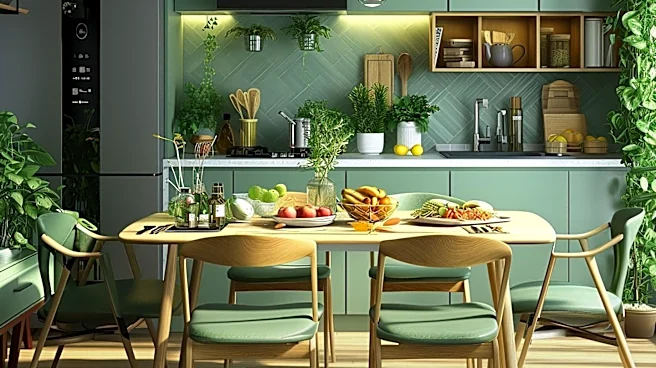
Not long ago, Scandinavian design was the undisputed king of interiors. It promised a calm, functional, and beautiful life, distilled into a palette of whites, grays, and natural woods. This aesthetic perfectly mirrored the broader cultural mood of the 2010s,
which prized decluttering, clean living, and a kind of elegant austerity. Fueled by the global reach of IKEA and the rise of perfectly curated Instagram feeds, Scandi style became the default for a generation aspiring to a life less cluttered. Its principles were simple and democratic: functionality, simplicity, and a connection to nature. It was the look of modern, aspirational adulthood—an orderly backdrop for a busy life.
The Burnout of Beige
But after a decade in charge, cracks began to show in the minimalist facade. For many, the restraint started to feel, well, restraining. Critics and designers began to admit that the aesthetic could be a bit boring. This dissatisfaction grew into a full-blown rebellion, particularly among younger, Gen Z designers and homeowners who felt the style lacked personality and warmth. The highly curated, untouchable perfection seen on social media began to feel hollow and impersonal. After spending unprecedented amounts of time at home during the pandemic, people craved spaces that felt genuinely nurturing and reflective of their true selves, not like a sterile showroom. The quiet, uncluttered room suddenly felt less like a sanctuary and more like a waiting room.
Enter 'Dopamine Decor'
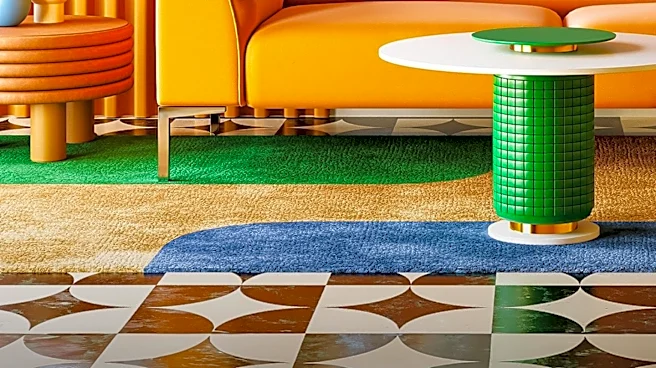
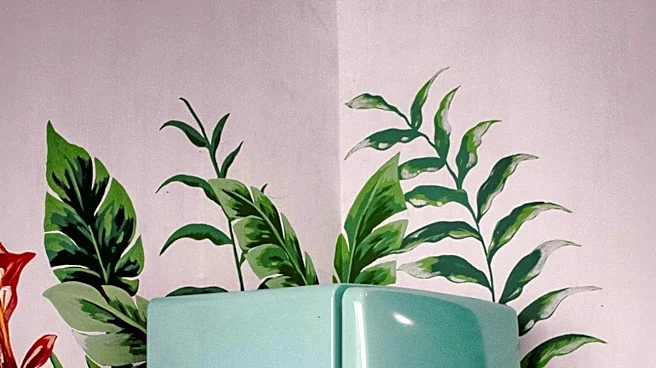
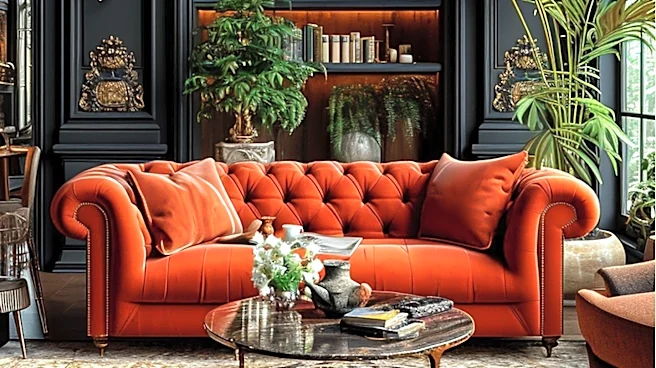
The antidote to beige burnout has arrived in a riot of color, pattern, and personality. Known as “maximalism” or, more pointedly, “dopamine decor,” the new reigning style is all about creating joy. Instead of clean lines and empty space, it celebrates abundance: bold hues, clashing patterns, quirky vintage finds, and layers of personal treasures. Think gallery walls filled with meaningful art, squiggly mirrors, colorful velvet sofas, and shelves overflowing with books and collectibles. This isn't about creating clutter, but about “curated chaos”—an intentional assembly of things you genuinely love. The goal is no longer to create a space that looks good, but one that feels good and tells a unique story.
A Home That Fights Back
Ultimately, this shift is about more than just aesthetics; it's a philosophical one. Rejecting Scandinavian restraint is a way of rejecting the pressure to perform perfection. For a generation that grew up online, navigating complex identities and constant visual stimulation, the home has become one of the last truly honest spaces. It's a place to be authentic without explanation. Filling a room with things that bring you happiness—whether it's a kitschy lamp from a thrift store or a collection of brightly colored glassware—is an act of self-expression. In a world that often feels chaotic and serious, younger designers are proving that the most radical thing you can do is build a home that is unapologetically, joyfully your own.