




More Than Just a Pretty Outfit
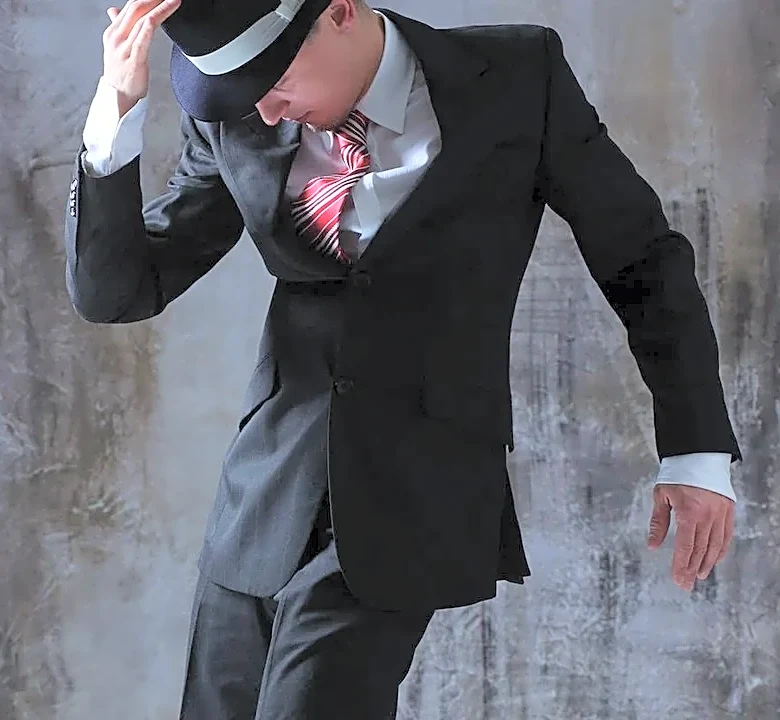
Before an actor utters a line, their costume has already introduced them. Is their suit perfectly tailored, suggesting power and precision? Or is it ill-fitting and worn, hinting at a life of struggle? These aren’t happy accidents; they are deliberate
choices made by costume designers, the unsung storytellers of television. The Creative Arts Emmys, which honor the technical and artistic achievements in television, recognize this vital craft. The nominations highlight that a costume is a piece of character development, a tangible extension of a person’s inner life. It’s the difference between merely clothing an actor and truly dressing a character, weaving their history, status, and emotional state into the very fabric they wear.
The Language of Color and Silhouette
Color is a costume designer’s most powerful psychological tool. A shift in a character's color palette can signal a profound internal change. Consider the nominees for Outstanding Contemporary Costumes, which often feature subtle but powerful transformations. In a show like "Only Murders in the Building," a character might start in bright, hopeful yellows and transition to muted grays and blues as mystery and suspicion cloud their world. The same goes for silhouette. A character feeling trapped or defensive might be dressed in restrictive, high-collared garments. As they find freedom or confidence, their wardrobe may open up, featuring looser fits and softer fabrics that allow for more physical freedom, visually manifesting their emotional liberation.
Telling Truths with Period Pieces
For shows nominated in the Outstanding Period Costumes category, like "The Gilded Age" or "Bridgerton," the challenge is twofold: achieving historical authenticity while serving the character's narrative. Designers meticulously research an era, but their primary goal isn’t to create a museum-perfect replica; it's to tell a story. A character’s gown in a show like "The Gilded Age" might use historically accurate fabrics but employ a slightly more rigid corset to convey the social suffocation she feels. In "Bridgerton," the vibrant, almost fantastical color palettes are a deliberate departure from strict historical accuracy, designed to create a heightened, romantic world that reflects the story’s tone. The costumes become a bridge between the past and present, using a historical framework to explore timeless emotional truths.
Aging, Distress, and World-Building
In genres like sci-fi or fantasy, costumes are instrumental in building believable worlds from scratch. Nominees in the Fantasy/Sci-Fi category, such as "Fallout," demonstrate how clothing grounds the fantastical in reality. The journey of a character leaving a pristine, underground vault for a post-apocalyptic wasteland is instantly communicated by the state of their uniform. Designers are masters of aging and distressing, adding scuffs, tears, and patches that tell the story of battles fought and hardships endured. Each frayed edge or faded patch on a costume is a visual scar, a piece of unspoken backstory. It’s this lived-in quality that makes an alternate reality feel authentic and allows the audience to instantly understand the rules and history of the world they’re watching.