








The 'Four-Quadrant' Holy Grail
The not-so-secret weapon behind animation's dominance is a Hollywood strategy known as the 'four-quadrant' model. The goal is to create a movie that appeals to the four main audience demographics: males under 25, males over 25, females under 25, and females over 25.
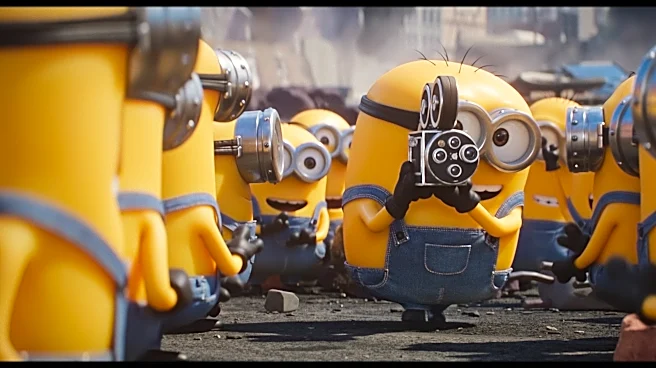
While a slasher film might capture young adults and a serious drama may draw an older crowd, animated features are among the few genres that consistently rope in everyone. Studios like Pixar and Illumination have perfected a formula that blends bright, captivating visuals for kids with sophisticated emotional themes and witty, layered humor for adults. A film like "Inside Out 2" works as a colorful adventure for a ten-year-old while also serving as a poignant exploration of anxiety and growing up for their parents. This universal appeal transforms the movie from a kids' matinee into a genuine cultural event for the entire family.
It's a Multiplier, Not a Ticket
The economics of a family trip to the movies heavily favor animated features. A young couple might buy two tickets for a date-night horror movie, but a family deciding on a film represents a purchase of three, four, or even more tickets at once. This "multiplier effect" is the bedrock of the animated blockbuster's financial success. Studios understand that the decision-maker is often the parent, who is looking for a safe, reliable, and enjoyable outing for everyone. An animated sequel from a beloved franchise like "Toy Story" or "Despicable Me" is seen as a guaranteed crowd-pleaser, making it an easy choice over a riskier, unknown film. In an era where ticket prices and concessions are soaring, families are less likely to gamble on an unknown quantity. The built-in trust and cross-generational appeal of major animated franchises make them the safest and most attractive bet.
A Marketing Machine Built on Nostalgia
The promotion for a big summer animated movie doesn't start a few weeks before release; it begins months, if not years, in advance. These films are marketed not just as movies, but as massive, multi-platform commercial events. The strategy often leans heavily on nostalgia, targeting millennial parents who grew up with the original films. The release of "Toy Story 5," for example, wasn't just for today's kids; it was an emotional reunion for adults who first met Woody and Buzz in 1995. This creates a powerful desire for parents to share the experience with their own children. Furthermore, the merchandising engine is unparalleled. From fast-food tie-ins and toy lines to theme park attractions, the movie's presence is felt everywhere, building a sense of ubiquity that makes it feel like an unmissable part of the summer.
The Death of Mid-Budget Competition
Part of the reason animated films seem to dominate is also due to a vacuum in the marketplace. In past decades, the summer movie season was filled with a diverse slate of star-driven comedies, romantic dramas, and mid-budget thrillers. Today, the rise of high-quality streaming services has meant that audiences are content to watch many of those genres at home. To justify the cost and effort of a trip to the theater, a film must now feel like a true spectacle—something that can't be replicated on a living room TV. Massive, visually stunning animated features perfectly fit that description. They provide the large-scale, immersive experience that audiences are willing to pay a premium for, leaving little room for the types of films that used to offer counter-programming during the summer months. The modern blockbuster landscape is increasingly a battle between animated titans and effects-heavy action films, and animation often has the broader emotional appeal.