





The Michelin Star Paradox
In the world of 'The Bear,' earning a Michelin star is the ultimate goal, the symbol that all the sweat, burns, and chaos were worth it. In the real world, however, that coveted star is often more of a marketing expense than a guarantee of profit. Many
restaurateurs and chefs praise the show for its gut-wrenching realism, depicting the immense pressure not just to earn stars, but to maintain them. A packed house and critical acclaim create buzz, but they don't automatically translate to a healthy bottom line. The very standards of excellence required—premium ingredients, a large, highly skilled staff, and impeccable service—compress margins until they’re nearly invisible. Many acclaimed restaurants operate on the edge, where a slight dip in bookings or a rise in food costs can be catastrophic. This is the central conflict: the pursuit of culinary art often runs directly against the laws of business.
Anatomy of a $200 Check
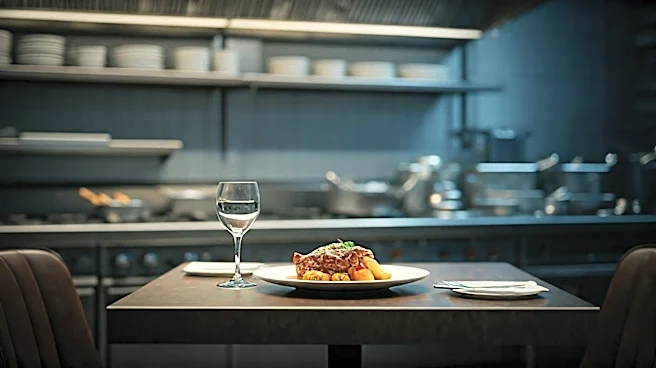
When a diner pays a premium for a tasting menu, it’s easy to assume the restaurant is making a fortune. But the show gives us a glimpse of where that money really goes. The journey to perfection is paved with expensive invoices. Sourcing the highest quality produce and proteins, like the obsessive ingredient-sourcing arcs seen in the series, drives up food costs, which can account for 28-32% of revenue. But the biggest line item is labor. A fine-dining kitchen requires a small army of specialists: sous chefs, pastry chefs like Marcus, and servers as polished as Richie becomes in his 'forks' epiphany. Skilled labor can consume another 30-35% of revenue. Add in rent for a desirable location (8-12%), utilities, insurance, and marketing, and what’s left is frighteningly small. The average profit margin for a full-service fine-dining restaurant hovers between just 3% and 5%. Suddenly, every broken plate and wasted ingredient, a constant in Carmy's chaotic kitchen, becomes an existential threat.
The Human Cost of Perfection
'The Bear' excels at portraying the intense, often toxic, kitchen culture and the personal toll it takes. That human cost has a very real impact on the balance sheet. High-pressure environments lead to burnout and high staff turnover, which is a massive hidden expense. Recruiting, hiring, and training new staff is a constant drain on time and money. The show's narrative, which follows the crew as they try to build a healthier, more collaborative culture, isn't just a feel-good story; it’s a legitimate business strategy. A stable, motivated team is more efficient, makes fewer mistakes, and delivers the consistent experience that turns first-time guests into regulars—the lifeblood of any restaurant. As restaurant owners who've seen their own journeys reflected in the show attest, teamwork is what ultimately allows a restaurant to survive the daily chaos.
Recalibrating the Dream for 2026
The restaurant industry is in a period of recalibration. Post-pandemic, diner expectations have shifted. Customers are dining more deliberately, asking if an expensive meal is truly “worth it.” This puts immense pressure on fine-dining establishments to deliver not just a meal, but an unforgettable experience. At the same time, many chefs and investors are rethinking the old playbook. Instead of pouring millions into a single, high-risk restaurant in a major city, some are exploring more resilient models, like partnerships with hotels or building a brand that can extend into other ventures. The 'sellout' stigma of a decade ago has been replaced by a pragmatic understanding that a chef's creativity is best served when it’s not constantly threatened by insolvency. The dream of culinary greatness hasn't died, but it's adapting to a world where passion must be paired with a bulletproof business plan.