


What Is the Three-Outfit Rule?
The Three-Outfit Rule is a straightforward, powerful shopping guideline: before you purchase any new item, you must be able to mentally style it in three different outfits using pieces you already own. This isn't about creating future, hypothetical looks
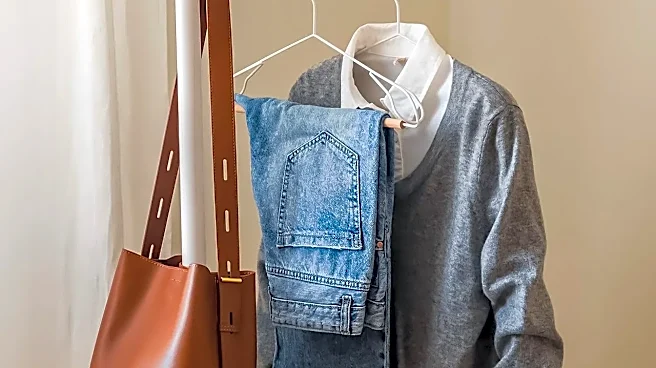
that require buying more things. It’s a real-time test of a new item's versatility and its ability to integrate into your existing wardrobe. Whether it's a pair of jeans, a blazer, or even a handbag, if you can't immediately picture it working in three distinct ways with your current clothes, you don't buy it. This simple pause encourages a shift from impulse buys to intentional additions, transforming your closet from a collection of one-off pieces into a cohesive, functional system.
The End of Wardrobe Paralysis
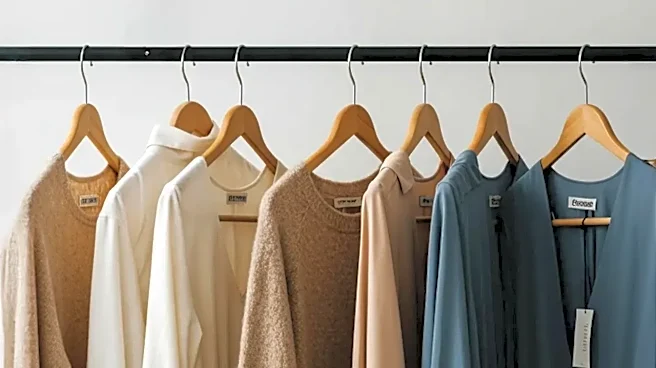
The most common closet complaint is having a wardrobe full of clothes but feeling like you have 'nothing to wear'. This paradox often stems from owning too many 'statement' or standalone items that don’t work well together. The Three-Outfit Rule directly combats this problem. By ensuring every new piece has multiple functions, you are actively building a more versatile and interconnected wardrobe. Over time, this practice makes getting dressed easier and reduces decision fatigue. Instead of staring into a chaotic closet, you’ll find a curated collection where items are designed to be mixed and matched, creating a wealth of possibilities from a more streamlined selection.
Smarter Spending, Slower Fashion
Adopting this rule has significant financial and environmental benefits. It forces you to consider the cost-per-wear of an item, one of the most important metrics for smart shopping. A $200 jacket worn 50 times is a better investment than a $50 top worn only once. By prioritizing longevity and versatility, you naturally spend less on fleeting trends and disposable fashion. This mindful consumption helps curb overproduction and waste, aligning your shopping habits with a more sustainable approach. Instead of buying for a hypothetical life or a one-time event, you are investing in high-quality, durable pieces that serve the life you actually live, which saves money and reduces your environmental footprint.
How to Use the Rule at the Store
Putting the rule into practice is simple. When you're in the dressing room or browsing online, pick up an item you love and pause. Before checking the price tag, mentally 'walk through' your closet. First, picture a casual look: how would you wear this piece on a relaxed weekend? Maybe with your favorite jeans and sneakers. Second, think about a work or more polished setting: can it be dressed up with trousers, a skirt, or a blazer you already own? Third, imagine a social or evening occasion: can you style it for dinner with friends or a date night? If you can easily and specifically name the tops, bottoms, and shoes for three distinct scenarios, it's a strong contender. If you struggle or find yourself thinking, 'I could wear this if I just bought…' it’s a clear sign to put it back.
What About Statement or Occasion Pieces?
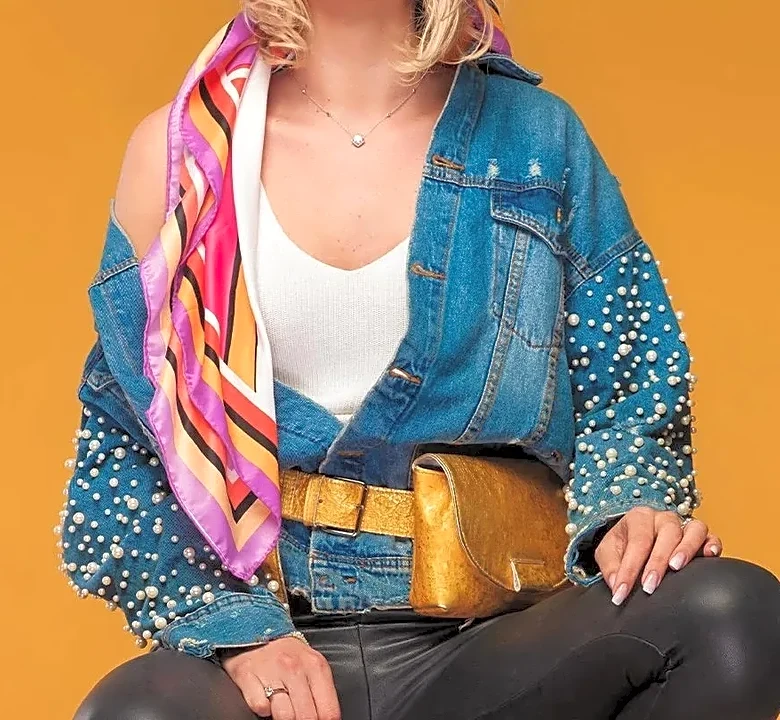
A common question is whether the rule applies to everything, including bold statement pieces or formalwear for a specific event. For the most part, yes. A great statement jacket should still work with jeans, a dress, and tailored pants. Even special occasion items can be versatile; a clutch or a pair of heels should be able to complement more than one formal outfit in your closet. The key is to adjust your expectations. While a formal gown may not have three 'everyday' uses, the principle of maximizing its potential still applies. If an item is truly a one-time-use piece, consider renting instead of buying. The goal isn't to create a boring wardrobe, but a functional one where even the most exciting items earn their place.