




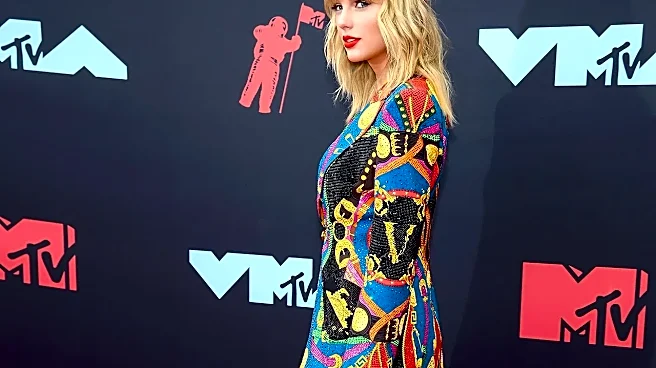

It's All in the Name
The VMAs were not created to compete with the Grammys on audio terms; they were designed as a direct alternative to celebrate a new art form MTV itself had pioneered. When the channel launched in 1981, it transformed musicians into visual stars. The awards
show, which first aired in 1984, was a logical extension of that mission: to honor the best of the music video medium. From its very first ceremony, where Madonna delivered a scandalous, wedding-dress-clad performance of "Like a Virgin," the VMAs established a precedent for visual spectacle over pristine vocal performance. The show was built from the ground up to reward the artists, directors, and choreographers who were turning three-minute songs into miniature films.
The Awards Tell the Story
The clearest evidence of the VMAs' focus lies in its award categories. The most coveted Grammy awards—the "Big Four"—are Record of the Year, Album of the Year, Song of the Year, and Best New Artist. These exclusively honor audio achievements: the quality of a recording, the cohesion of an album, and the craft of songwriting. The VMAs, by contrast, feature a slate of professional categories that are essentially film awards for music. Trophies are handed out for Best Direction, Best Cinematography, Best Art Direction, Best Visual Effects, Best Choreography, and Best Editing. The night's top prize isn't Song of the Year, but Video of the Year, a title recently won by artists like Ariana Grande for "brighter days ahead." This fundamental difference in structure shows that the Grammys honor a recording, while the VMAs honor a complete audio-visual package.
Performance as Visual Spectacle
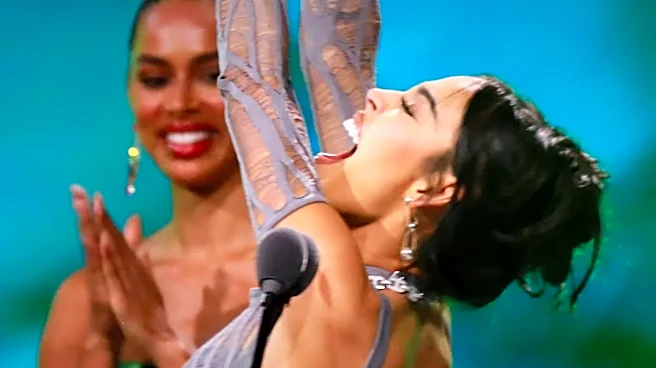
The VMA ethos extends beyond the videos themselves and into the live performances. The show's most legendary moments are rarely about flawless vocal delivery; they are about creating an unforgettable visual tableau. Think of Britney Spears performing with a live python draped over her shoulders in 2001, or Lady Gaga accepting an award in a dress made of raw meat in 2010. These moments are designed for maximum cultural impact and visual shock, from Madonna's infamous kiss with Spears and Christina Aguilera to Kanye West's stage-crashing interruption of Taylor Swift. The performances are not just musical sets; they are pieces of performance art intended to be seen, discussed, and remembered as visual moments in pop culture history.
An Award for the Artist's Vision
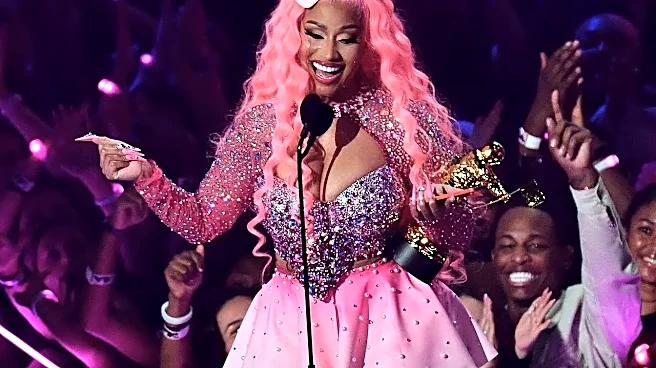
Because the VMAs prioritize visual storytelling, they often reward videos that push artistic boundaries, regardless of the song's chart performance. While commercial success is a major factor at sales-and-airplay-focused ceremonies, the VMAs can elevate a visually groundbreaking video into a cultural touchstone. Since 2006, many major VMA categories have also been decided by fan voting, shifting the focus from industry insiders to public consensus on what's visually compelling. This creates a unique space where a director's vision is just as important as the artist's star power. Awards for direction, like the one Lady Gaga recently received for "Abracadabra," specifically recognize the filmmaking craft, separating the visual execution from the song itself. It’s a platform where a clever concept or a stunning visual can make a bigger splash than a multi-platinum hit.