

The Viral Rise of the Lip Oil
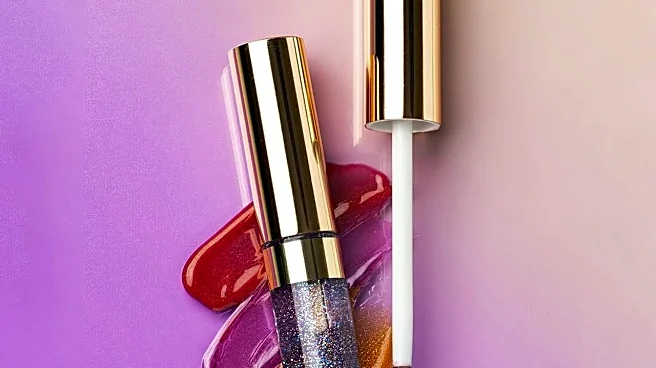
You can’t scroll through TikTok or Instagram without seeing it: a satisfying swipe of a chunky doe-foot applicator delivering a wash of glossy, sheer color. The lip oil revival, which has been building for years, is now at its peak. It’s the hero product
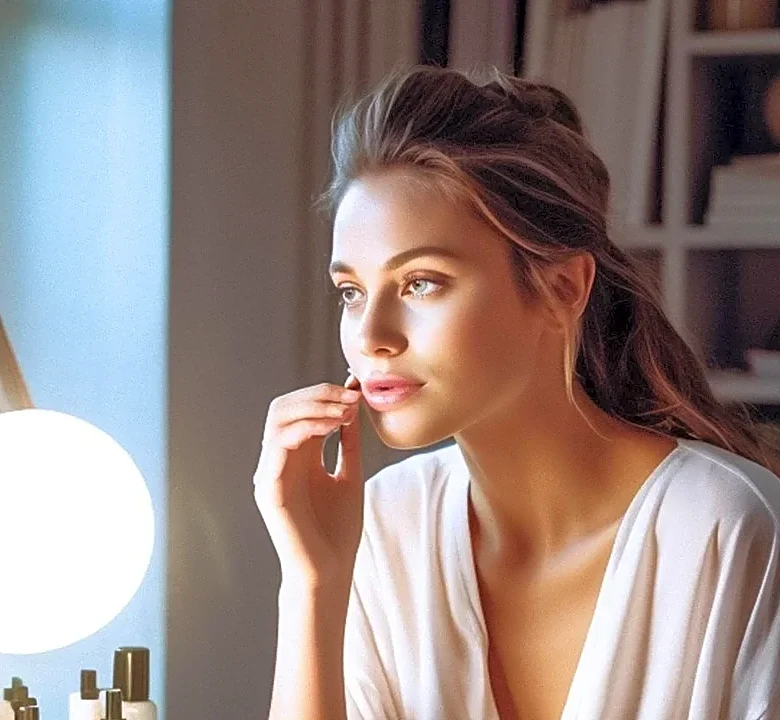
of the 'clean girl' aesthetic, promising a fresh, hydrated look without the stickiness of 2000s-era glosses. Brands from Dior to e.l.f. have poured resources into formulas packed with skincare-grade ingredients like squalane, hyaluronic acid, and jojoba oil, positioning them as a makeup-skincare hybrid that cares for your lips while you wear it. For the everyday user, the appeal is obvious: it’s comfortable, easy to apply, and offers a polished look with minimal effort.
The Pro-Oil Argument: A Modern Essential
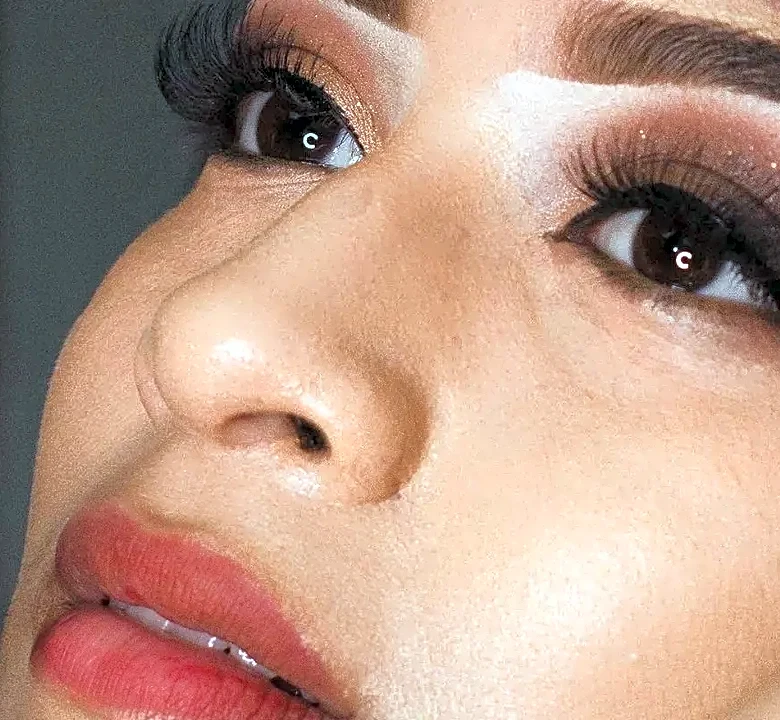
Many makeup artists have fully embraced the trend, seeing lip oils as a modern alternative to traditional products. For artists focused on bridal and red-carpet looks, clients are increasingly asking for products that feel as good as they look. A high-quality lip oil can provide instant hydration, making it a great tool for prepping dry or chapped lips before color application. Some artists love its versatility; a clear oil can be layered over any lipstick to add a 'glass-like' dimensional shine without altering the base color. The finish is often described as more sophisticated and natural than a thick gloss, providing a luminous sheen that looks healthy and effortless. In this corner, the lip oil is celebrated for its multi-purpose nature: it’s a treatment, a topper, and a stand-alone star.
The Dissent: A Professional Kit Problem
Here's where the disagreement gets technical. For many working artists, lip oils present a significant logistical problem: longevity. While perfect for a selfie or a quick coffee run, lip oils absorb and wear off quickly. This makes them a risky choice for events like weddings or long photo shoots, where makeup needs to stay pristine for hours under hot lights and through meals. A thicker, sometimes stickier, lip gloss will simply last longer. Another major critique is performance. Some artists find that the oily consistency can cause lip liner and lipstick underneath to break down and bleed. Furthermore, oils generally offer very little pigment payoff, making them less effective for creating a defined or bold lip look compared to a traditional lipstick or a more pigmented gloss.
It’s Not Oil vs. Gloss, It’s Function vs. Feel
The debate isn't really about whether lip oils are 'good' or 'bad.' It’s about choosing the right tool for the right job. A professional artist's primary concerns are performance, durability, and control—qualities where traditional lipsticks and glosses often excel. Lip gloss formulas are designed specifically to maximize shine and can be layered for high-impact looks that need to last. In contrast, lip oils are formulated with skincare as a priority, emphasizing hydration and comfort. The disagreement, therefore, comes down to consumer priorities versus professional needs. What makes a product a viral sensation for at-home use—its lightweight feel and skincare benefits—is precisely what can make it a liability in a high-pressure professional setting.