



1. Understand the Tribeca Vibe
Before you start scrolling, get into the right mindset. Tribeca isn't just about big Hollywood premieres; it was founded to revitalize a neighborhood through storytelling. Its spirit is rooted in discovery, championing a diverse mix of ambitious indie
dramas, provocative documentaries, international gems, and bold genre films. Your goal isn't just to watch movies, but to curate a program. Think like a festival director: What's your theme? Maybe it’s a weekend of debut features, modern noirs, or documentaries about fascinating artists. Having a focus makes the experience feel intentional, not just like another night on the couch.
2. Scout Your 'Venues'
Every festival has multiple theaters; your streaming services are your venues. Your mission is to find films that fit the Tribeca mold. Start with the obvious: Max (HBO) is a documentary powerhouse, and many past Tribeca hits, like 'The Apollo' or 'United Skates', have landed there. Netflix has a deep well of international films and occasionally acquires festival darlings like 'I Lost My Body'. Don't neglect Hulu, which often partners with Neon, a distributor famous for snapping up festival favorites. For the true indie experience, explore niche platforms. The Criterion Channel is a treasure trove of classic and contemporary world cinema, while Mubi offers a highly curated 'one film a day' model that feels very exclusive and festival-like. Even free services like Kanopy (via your library card) and Tubi have surprisingly robust indie sections.
3. Curate Your Film Slate
Now for the fun part: picking the movies. A good festival has a rhythm. Don't just stack three heavy dramas in a row unless you're aiming for emotional exhaustion. Structure your weekend like a real program. * Opening Night Film: Start with something buzzy and accessible. A past Audience Award winner like 'Plus One' (2019) or a critically acclaimed dramedy is a great choice. * Documentary Matinee: Spend Saturday afternoon with a compelling true story. Look for a film that teaches you something new or offers a window into a different world, like the gripping climbing doc 'The Alpinist' (2021). * The 'WTF' Midnight Movie: Festivals are famous for their midnight sections, which showcase horror, sci-fi, and otherwise out-there genre films. Find a weird and wonderful cult classic in the making. * The Indie Darling: This is your centerpiece. A character-driven drama with a breakout performance, like 'The Novice' (2021), is perfect for a Saturday night. * Closing Night Film: End on a high note with something thoughtful and uplifting, or a film that sparks conversation to cap the weekend.
4. Set the Scene
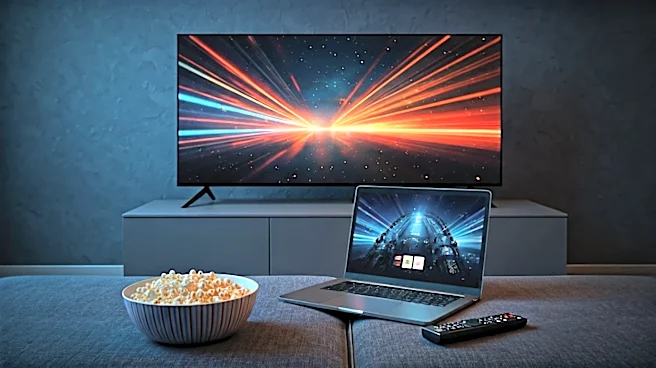
Atmosphere is everything. This isn't passive viewing; it's an event. First, commit to the experience: phones away and silenced. This is a no-scrolling zone. Second, upgrade your concessions. Ditch the microwave bag and make some gourmet popcorn with fancy seasonings, or theme your snacks to one of the films. If you're watching a French film, bring out some cheese and a baguette. Third, perfect your lighting and sound. Turn off the overheads, use ambient lamps, and if you have a soundbar, now is the time to use it. The goal is to minimize distractions and maximize immersion.
5. Host the 'Post-Screening Q&A'
One of the best parts of a festival is talking about the film immediately after the credits roll. Replicate that. If you're watching with friends or family, dedicate 15 minutes after each movie to discuss it. What worked? What didn't? What was your favorite shot? Who was the standout actor? If you're watching solo, keep a small notebook handy. Jot down your immediate reactions, thoughts, and feelings. This simple act of reflection transforms you from a passive viewer into an active participant, solidifying the film in your memory and making the entire experience more meaningful. It's the perfect way to process the art before diving into your next 'screening'.