


Fabric: The Foundation of Drape and Feel
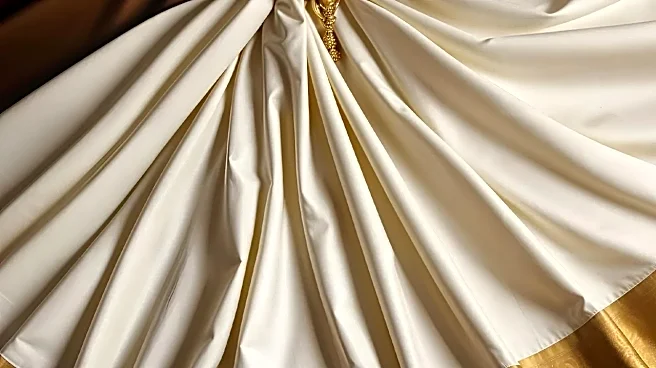
The most immediate difference between a mid-range and a premium pair of pleated trousers is the material. A $100 pair from a brand like J.Crew or Banana Republic will often be made from decent-quality cotton, a cotton-poly blend, or a basic linen mix.
These are respectable fabrics, but they can sometimes lack the sophisticated drape that makes a pleat look truly elegant. The fabric might be stiffer, leading to pleats that look pressed-in rather than naturally integrated. In contrast, premium brands like Brunello Cucinelli, The Row, or Luca Faloni invest heavily in their fabrics. You'll find high-twist wools, proprietary tropical blends, heavyweight cottons, and virgin wools that have a superior hand-feel and an elegant drape. This isn't just about feeling nice; a better fabric holds the structure of the pleat more effectively while allowing the rest of the leg to flow, creating a much more flattering and dynamic silhouette. This also impacts longevity, as higher-quality materials are more resistant to pilling and losing their shape.
Fit and Pleat Construction: It’s All in the Details
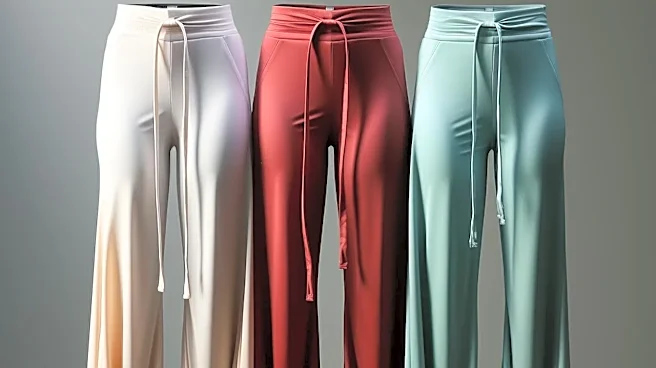
Not all pleats are created equal. On many mid-range trousers, pleats can be shallow, often around one inch deep. A shallow pleat is more of a fashion statement than a functional detail; it doesn't provide much extra room and can pull open awkwardly when you sit or even stand, disrupting the clean line of the trouser. Premium trousers, on the other hand, typically feature deeper, more deliberate pleats—often one and a half inches or more. This allows the pleat to do its job: providing comfort and room around the hips and thighs while remaining flat and closed when you stand. The direction of the pleat also matters. Forward pleats (pointing toward the fly, a British tradition) tend to offer a slimmer profile, while reverse pleats (pointing toward the pockets, an Italian signature) can provide a more relaxed look. High-end brands obsess over these details, ensuring the pleats are perfectly placed to complement a higher rise, which helps elongate the leg and creates a more classic, proportionate silhouette.
The Unseen World of Finishing
This is where the price difference becomes truly apparent. A mid-range trouser is built for efficiency. It will have a standard fused waistband, plastic buttons, a functional-but-not-noteworthy zipper, and machine-stitched seams. It gets the job done. A premium trouser, however, is packed with subtle indicators of craftsmanship. Look for a 'curtain' waistband—an interior strip of fabric that adds comfort and structure, helping the trousers sit better. Buttons are often made of genuine horn or corozo nut, not plastic. Side-adjusters might replace belt loops for a cleaner look. Often, the trousers are sold with an unfinished hem so they can be tailored to the perfect length, sometimes with a cuff to add weight that helps the fabric drape correctly. These elements aren't just for show; they contribute to a superior fit, enhanced comfort, and a garment that will last for years, not just a season.
The Verdict: Investment vs. Entry Point
So, is it worth splurging? A great pair of mid-range pleated trousers can be an excellent way to engage with the trend without a huge financial commitment. They offer the look and can be a versatile part of your wardrobe, especially for smart-casual settings. Think of them as a fantastic entry point. A premium pair, however, is an investment in the art of clothing itself. You’re paying for superior fabric that feels and looks better with every wear, a more considered fit that flatters your body, and construction details designed for longevity. The difference is less about a flashy logo and more about the quiet confidence that comes from wearing something exceptionally well-made. While the initial cost is higher, the 'cost per wear' can often be lower over time, as a premium pair is built to be a cornerstone of your wardrobe for a decade, not just for a fleeting moment.