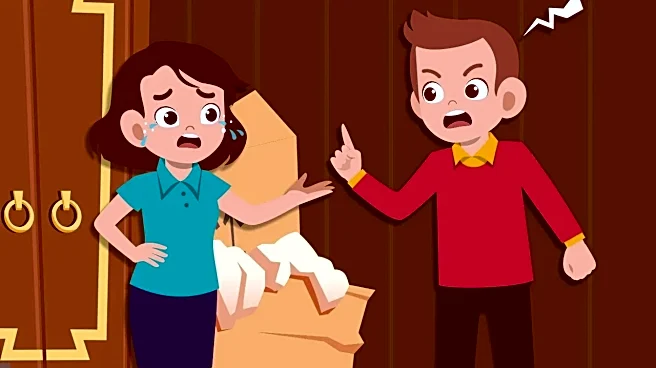








The turkey is perfect, the family is laughing, and everyone is grateful. This is the Thanksgiving we see on greeting cards—but almost never in our movie theaters. Why are so many Thanksgiving comedies built on a foundation of pure chaos?
Conflict Is the Engine of Story
At its most basic
level, a story without conflict is just a description of a pleasant afternoon. Screenwriting 101 dictates that a narrative needs a struggle between opposing forces to propel the plot forward. A film where everyone gets along, the travel is seamless, and the turkey comes out perfectly would be incredibly boring. Comedies, in particular, thrive on disruption and the subsequent, often clumsy, attempts to restore order. The humor in films like 'Planes, Trains and Automobiles' isn't just that two mismatched travelers are stuck together; it's that every external force, from weather to transportation, conspires against their simple goal of getting home. This relentless opposition creates the friction that generates both laughs and narrative momentum.
The Holiday as a Pressure Cooker
Thanksgiving provides a uniquely potent recipe for drama. The ingredients are simple: mix estranged relatives in a confined space, add the high expectations of a 'perfect' holiday, and simmer in years of unspoken history. The result is a veritable pressure cooker of emotion. Films like Jodie Foster's 'Home for the Holidays' masterfully capture this dynamic, where the forced proximity of adult siblings, eccentric parents, and old rivalries creates an environment ripe for comedic and dramatic implosion. The setting itself becomes a character—a childhood home filled with memories and triggers, where long-buried grievances can resurface over the gravy. This built-in tension is a gift to filmmakers, providing a believable and universally understood framework for characters to unravel.
Relatability and Catharsis
Perhaps the biggest reason we're drawn to these dysfunctional on-screen gatherings is because they feel intensely relatable. Few families are as flawless as a Norman Rockwell painting. Watching the chaos unfold in movies like 'The Humans' or 'Pieces of April' serves a cathartic purpose: it reminds us that our own holiday tensions are not unique. There's a comfort in seeing another family’s dinner devolve into arguments about politics, finances, or personal choices, because it makes our own squabbles seem more manageable by comparison. These films hold up a mirror to our own anxieties about family, failure, and connection. By watching characters navigate the minefield of a holiday get-together, we get to experience the stress from a safe distance and, ultimately, feel a little less alone in our own messy, imperfect family lives.
The Inevitable Third-Act Hug
For all the shouting, slammed doors, and turkey-related disasters, these comedies almost always end in the same place: reconciliation. The fighting isn't just for shock value; it's a necessary journey. After secrets are revealed and tensions boil over, the characters are forced to confront their issues, leading to a moment of clarity and connection. By the end of 'Planes, Trains and Automobiles,' Neal Page's desperate journey home evolves into a profound act of empathy for his traveling companion, Del Griffith. 'Home for the Holidays' concludes with a montage of treasured, unrecorded moments, reminding the audience that love underlies the chaos. The narrative formula is clear: the conflict breaks the family apart so they can be put back together, stronger and more honest than before. The cheer is earned, not given, making the final embrace feel all the more meaningful.