








The Golden Generation Burden
This is the classic scenario. A country produces a once-in-a-lifetime crop of talent, a 'golden generation' of players who star for Europe's biggest clubs. Think of Belgium over the last decade with Kevin De Bruyne, Eden Hazard, and Romelu Lukaku, or England's
era of Beckham, Gerrard, and Lampard. On paper, they have the firepower to beat anyone. But they haven't won a major trophy. The clock is ticking, the stars are aging, and the national expectation has morphed from hopeful excitement into a desperate plea: 'If not now, when?' Every match becomes a referendum on an entire generation's legacy. The pressure isn't just to win the next game; it's to validate a decade of promise before the window slams shut forever.
The New Manager Gamble
A team can have a world-class roster, but if they've recently brought in a new manager with a distinct, demanding tactical system, skepticism is inevitable. The players might be great individually, but can they execute the coach's high-press or intricate possession scheme against the world's best? Qualifying matches against lesser opponents don't provide the answer. A tournament is the ultimate stress test. Is the team a well-oiled machine, or just a collection of brilliant parts that haven't clicked into place? Until they dismantle a legitimate contender, fans and pundits will wonder if the manager's grand experiment is genius or a disaster waiting to happen. The team isn't just playing for the cup; they're fighting to prove the new blueprint works.
The Post-Hype Hangover
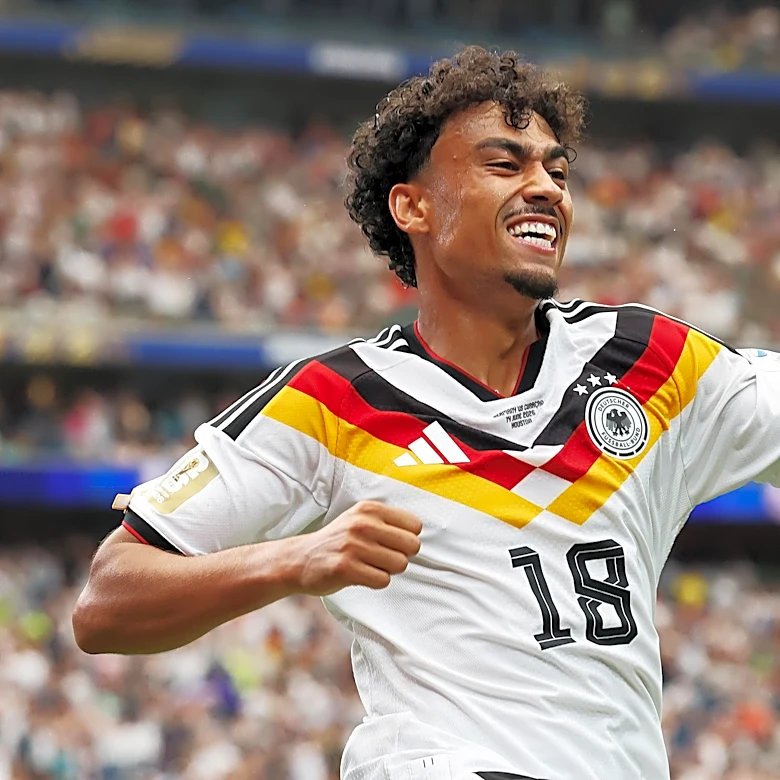
This team was recently at the top of the mountain. They might be the defending champions or a recent finalist, but the magic seems to be fading. Key players have retired or lost a step, and their recent form has been shaky. Look at Germany entering the 2018 World Cup as champions, or France in 2002. They still possess immense talent and the muscle memory of winning, but they no longer feel invincible. The question becomes: Was their last triumph the peak of a cycle, or can they roar back to life when the lights are brightest? They have to prove that their era isn't over and that their pedigree still counts for something. They carry the reputation of a giant but the nagging uncertainty of a team whose best days might be behind them.
The 'King's Court' Conundrum
This is the team built around one, singular, generational superstar. For years, this was Argentina with Lionel Messi or Portugal with Cristiano Ronaldo. Every conversation starts and ends with him. The supporting cast is good, sometimes even great, but the perception is that the team's fate rests entirely on one man's shoulders. To shed the 'prove-it' label, the team must demonstrate that it is more than just the King and his court. Can other players step up in a crucial moment? Is there a coherent team identity beyond 'get the ball to our guy'? Winning requires proving they are a complete, functional unit, not just a vessel for one player's historic quest. Argentina finally achieved this in 2022, when the supporting cast elevated its game to match Messi's brilliance.
The Cakewalk Qualifier
Sometimes, a team's path to the tournament is just… too easy. They might be a European power that dominated a weak qualifying group or a regional giant that faced little resistance. They arrive at the Cup with a perfect record and a gaudy goal differential, but they are completely untested against elite competition. Are they genuinely that good, or are they a flat-track bully about to get a rude awakening? Their sparkling record breeds suspicion, not confidence. They haven't been punched in the mouth yet. Their first real test against another top-tier nation becomes the definitive moment. They have to prove their impressive run-up wasn't a mirage and that they can handle the step-up in class.