


From Buyers to Bianca Jagger
It wasn't always this way. In the early days of couture, fashion shows were intimate affairs held in salons for professional buyers and a few high-society clients. The 'front row' was simply the best place to see the clothes for purchasing decisions.
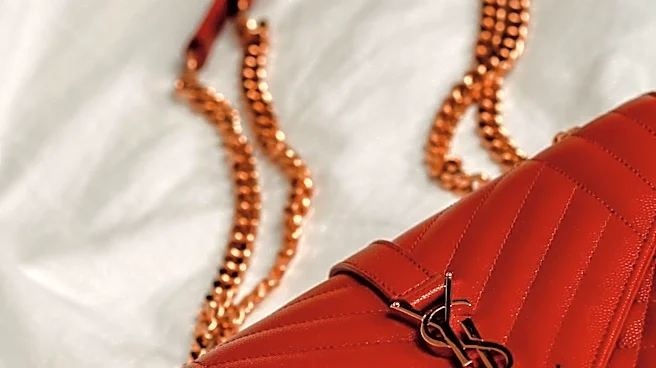
The shift began in the 1960s and '70s, as designers like Yves Saint Laurent started inviting their famous friends—think Catherine Deneuve and Bianca Jagger—to generate buzz. This was the dawn of the front row as a cultural spectacle, but its transformation into a strategic battlefield was just beginning. The primary goal was still largely about press and prestige, not yet the micro-targeted, data-driven operation it is today.
The Rise of the Brand Ambassador
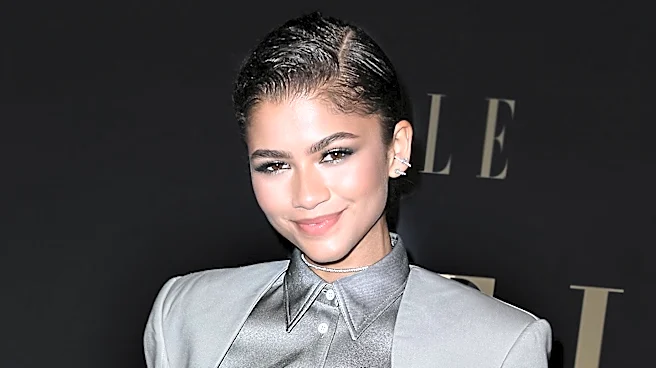
Today, many celebrities in the front row aren't just guests; they're on the clock. The modern era is defined by the brand ambassador—a celebrity paid to represent a fashion house. These aren't just loose affiliations; they are contractual partnerships. When a star like Jennifer Lawrence repeatedly appears at Dior or a K-Pop idol sits front row at Louis Vuitton, it's part of a long-term strategy to align the brand with that celebrity's persona and, more importantly, their fanbase. The relationship is meant to feel authentic and consistent, creating a narrative of loyalty that makes the brand a core part of the star's identity.
Every Seat Is an Advertisement
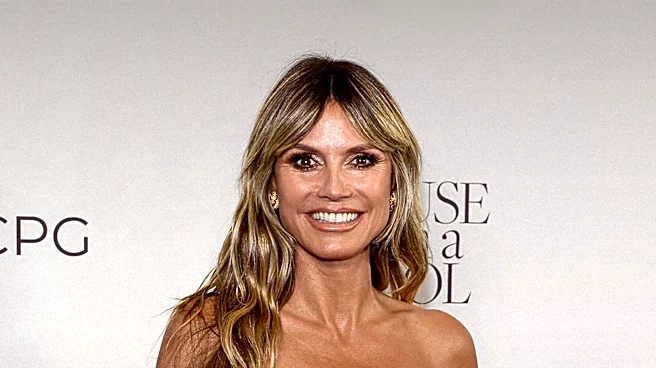
The single biggest driver of this strategic shift is social media. Before, a front-row photo might land in a magazine a week later. Now, it's a global, instantaneous broadcast. Every outfit is chosen with the explicit goal of being photographed and shared across platforms like Instagram and TikTok, where a single post can generate millions of dollars in media value. Brands and publicists meticulously plan every detail, from the outfit to the seating arrangement, which serves as a visual power map. Sitting next to the designer or a top editor signals peak influence. The front row has become its own performance, a piece of content designed to go viral.
Targeting Demographics with Pinpoint Accuracy
The strategy goes deeper than just picking the most famous person. Brands now use the front row to target specific demographics with surgical precision. Inviting a TikTok star with 10 million followers, like Ellie Zeiler, isn't just about reaching a lot of people; it's about reaching the right people—in this case, Gen Z. Similarly, featuring Thai actors like Phuwin Tangsakyuen and Naravit Lertratkosum at a Tommy Hilfiger show is a direct play for the increasingly powerful Southeast Asian market. The front row is a tool for market expansion, allowing a heritage European brand to speak directly to a new generation of consumers in a different part of the world. It’s less about who is famous and more about who they influence.
The 'Front Row' Look vs. The Runway Look
Ironically, some of the most influential clothes at a fashion show are no longer on the runway. The outfits worn by front-row attendees are often more commercially accessible and immediately shoppable than the avant-garde creations on the catwalk. A celebrity wearing a brand’s handbag or ready-to-wear coat provides a tangible, real-world example of how to style the brand. This creates a direct-to-consumer advertisement that is often more powerful than the runway show itself. The celebrity look humanizes the brand, making high fashion feel more attainable and desirable to the millions watching on their phones.