






The Geography of Chill
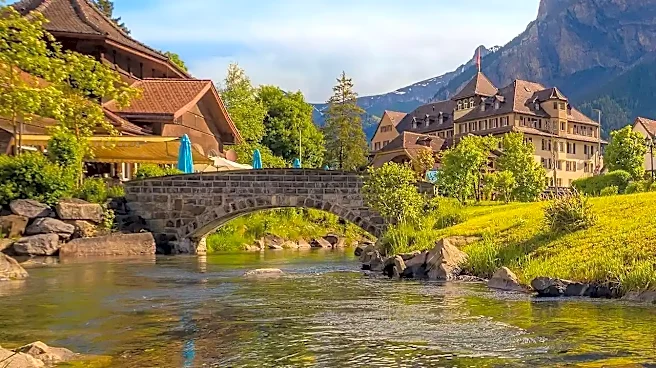
First, you have to understand where Telluride is. This isn't Los Angeles or the French Riviera. It’s a remote former mining town tucked into a box canyon high in the Colorado mountains. Getting there requires effort, which inherently filters the crowd.
There are no sprawling boulevards for paparazzi lineups or grand hotels with sweeping red-carpet-ready entrances. Instead, venues are often charmingly repurposed spaces, like the local high school auditorium. The entire town is the festival, and its stunning, rugged landscape enforces a certain humility. When you're surrounded by 13,000-foot peaks, the hierarchy of Hollywood just seems to melt away. The altitude and crisp mountain air are a world away from the manufactured glamour of a traditional awards show, creating a natural setting that encourages casualness over ceremony. Everyone, celebrity or not, is subject to the same stunning views and the same potential for an afternoon rain shower.
A Festival for Film, Not Fame
Unlike nearly every other major film festival, Telluride's primary currency isn't buzz; it's a pure, unadulterated love for cinema. The festival famously keeps its program a secret until the very first day. Attendees—including the stars—buy passes and book travel on blind faith, trusting the programmers to deliver a brilliant slate of films. There are no competitive awards, no juries, and no film market where distribution deals are furiously negotiated. This deliberate focus on the art itself cultivates a different kind of atmosphere. It attracts true cinephiles, not just industry players looking for the next big thing. The result is that everyone, from the A-list director to the film student in the back row, is there for the same reason: to watch movies. This shared purpose creates a palpable sense of community that you simply don't find at more commercialized, press-heavy events.
The Puffer Jacket Uniform
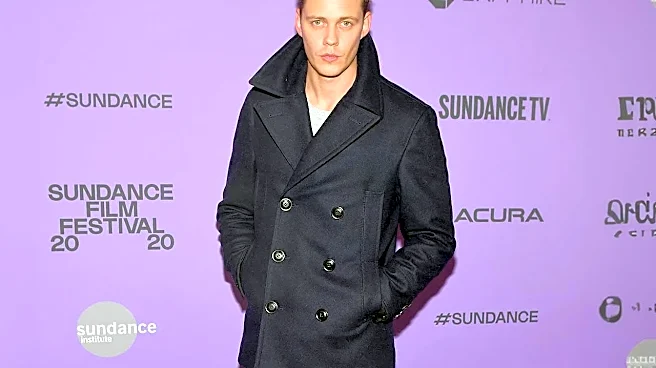
At an Oscars or Cannes red carpet, fashion is a competitive sport. At Telluride, the unofficial uniform is a puffer jacket, jeans, and comfortable shoes. The mountain climate dictates practicality over glamour. When you see a world-famous actor in the same sensible fleece you’re wearing, the invisible barrier between “star” and “fan” instantly shrinks. It’s hard to maintain an air of untouchable mystique when you're bracing against a cool mountain breeze. This casual dress code is more than just a style choice; it’s a social equalizer. It strips away the armor of couture and jewels, making celebrities appear less like icons and more like people. This visual leveling is a key reason interactions feel more grounded and human—it's a conversation, not an audience with a star.
An Audience of Peers
At most festivals, there is a clear divide between the talent and the public. In Telluride, that line is wonderfully blurred. Paparazzi are scarce, and there's a widely respected, unspoken rule to be cool and not bother the famous faces walking down the street. Stars are often seen waiting in the same lines as everyone else, grabbing a bite at a local cafe, or hiking on a nearby trail. They aren't just presenting their own films; they are there to see the work of their peers and geek out over movies themselves. One journalist noted seeing both Jennifer Garner and Glenn Close in awe of chef Alice Waters, while an Iranian director spoke of his excitement at seeing Werner Herzog in the audience for his film. This creates an environment where everyone is a fan of something, and the celebrities themselves are part of the appreciative crowd, fostering a sense of mutual respect and shared experience.