
The Anatomy of a Perfect Revival Target
Before a single dollar is spent on a pilot episode or a movie script, a franchise has to be deemed worthy of revival. The ideal candidate isn't just old; it's what the industry calls 'dormant IP'—a property
with a passionate, built-in fanbase that has been underserved for years. Think of a beloved 90s animated series or a cult classic video game. These properties possess immense brand recognition without the baggage of a recent failure. The audience already exists, simmering with nostalgia and ready to be activated. A recent attempt to get a live-action 'Gargoyles' series off the ground, which ultimately stalled in development, shows how active these fanbases are. The key is that the world-building is rich enough to support new stories, not just a rehash of the old ones. The goal isn't just to cater to existing fans, but to use their passion as a launchpad to attract a new, younger audience.
Why a Comic Con Panel is the Ultimate Litmus Test
In an age of endless streaming content and fragmented audiences, announcing a reboot via a simple press release is like shouting into the void. A Comic Con panel, however, is a strategic masterstroke. It’s a live, in-person focus group of your most dedicated consumers. Their immediate, unfiltered reaction—the cheers, the gasps, the standing ovation—provides invaluable data. A positive reception can be cut into a sizzle reel to convince skeptical executives and investors. A lukewarm response provides an early, low-cost warning sign to re-evaluate the approach. This year's NYCC is doubling down on industry-focused programming, acknowledging that these events are as much about business as they are about fandom. By gathering the faithful in one room, studios can control the initial narrative, ensuring the first wave of online chatter is overwhelmingly positive, driven by the pure excitement of the fans who were there.
De-Risking a Billion-Dollar Bet
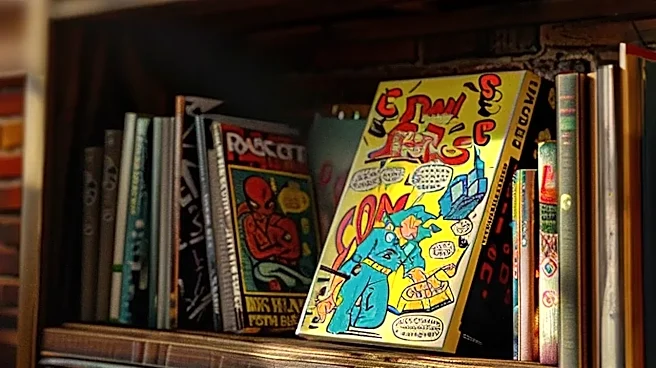
Reviving a major franchise is an expensive gamble. A full season of a sci-fi show or a blockbuster film can cost hundreds of millions of dollars. The panel strategy is a comparatively cheap way to de-risk that investment. For the cost of flying in a few key creatives and renting a hall, a studio can gauge global interest. The social media explosion following a surprise announcement functions as free marketing, with trending topics and fan speculation driving conversation for weeks. This 'earned media' is far more powerful and authentic than a traditional ad campaign. If the buzz is strong enough, it can justify a larger budget, attract A-list talent who want to be part of a guaranteed hit, and smooth the path to a green light. Comics themselves have long served as Hollywood's R&D lab for new IP, a low-cost way to develop worlds before a big screen investment. The Comic Con panel applies that same logic to the relaunch itself.
From Panel to Production: The Road Ahead
The roar of the crowd at NYCC is just the first step. After the convention confetti settles, the real work begins, and the pressure is immense. The studio must now deliver a product that lives up to the monumental hype generated by the panel. This involves a delicate balancing act: honoring the 'sacred text' of the original series to please longtime fans while updating the story, themes, and visuals for a modern audience. Fail to respect the source material, and you alienate your core advocates. Fail to innovate, and you fade into irrelevance. The path is fraught with peril, as seen with many reboots that were announced to great fanfare but failed to connect with viewers. The initial excitement from a panel creates momentum, but it also creates a massive target. The franchise is no longer dormant; it’s wide awake and under a microscope.