




Fabric Was Once Like Gold
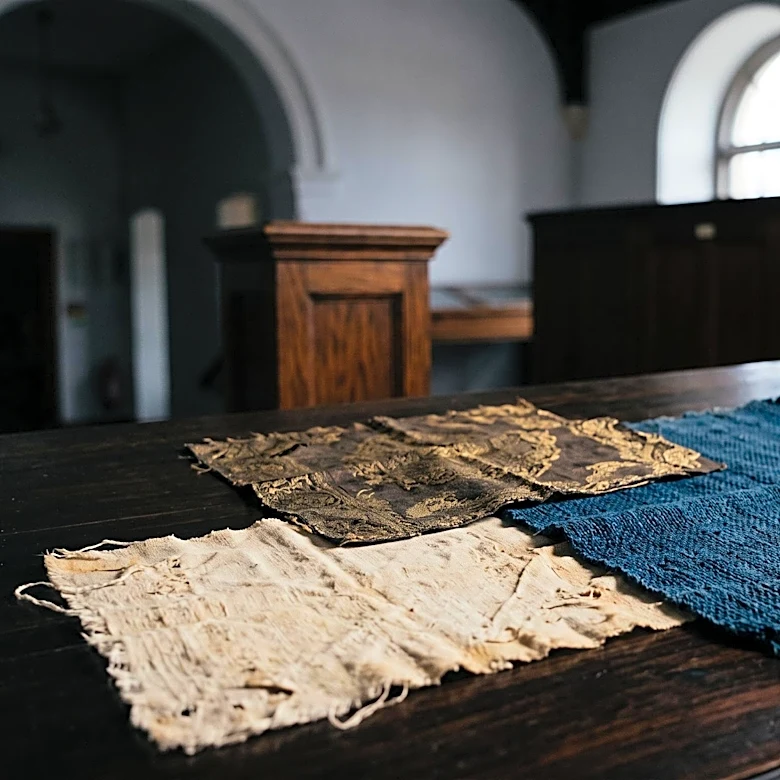
For most of human history, the material for a garment was its most expensive component. Before the Industrial Revolution, every thread was spun by hand and every inch of cloth was woven on a loom—an incredibly labor-intensive process. A single shirt could
be valuable enough to be passed down in a will. Silk, linen, and fine wools were symbols of immense wealth and status, reserved for royalty and the elite. The difficulty of producing these textiles kept supplies low and prices high. This fundamental economic reality dictated that not a single scrap of fabric could be wasted. Tailors and home sewers alike were masters of pattern Tetris, meticulously planning their cuts to maximize every inch of the precious yardage.
Labor Was Cheaper Than Cloth
Because fabric was so valuable, it made economic sense to invest more time and labor into making a garment. Instead of simple, straight seams, vintage clothing is often a marvel of engineering. You'll find complex darts, gussets under the arms for better movement, and intricate piecing designed to save material. A tailor's skill was measured not just in fit, but in their ability to conserve expensive cloth. This cost dynamic is the complete opposite of today's market. Now, fabric—especially synthetics produced on a massive scale—is relatively cheap, while human labor is the more significant expense. As a result, modern garment construction is optimized for speed and simplicity to reduce labor costs, often at the expense of durability and fit.
Built to Last and Be Altered
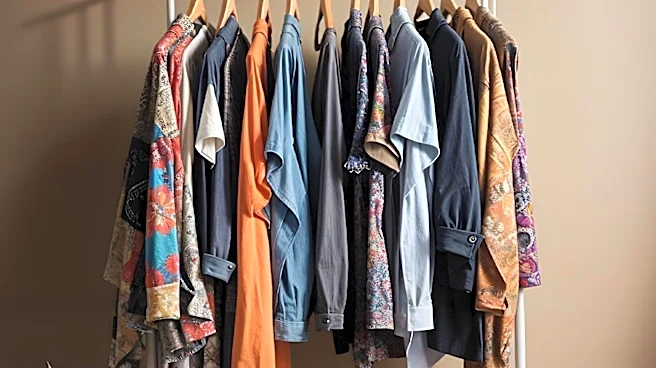
People didn't buy clothes with the expectation of wearing them for a single season. A garment was a long-term investment. To facilitate this, clothes were often made with generous seam allowances—the extra fabric inside a seam—that could be let out to accommodate changes in body size. It wasn't uncommon for a dress to be altered multiple times, passed down to a younger sibling, or even completely remade into a new style. This culture of mending and adaptation is visible when you turn a vintage piece inside out; you might see evidence of past alterations or careful repairs. Modern 'fast fashion' garments, in contrast, are often designed to be disposable, with minimal seam allowances that make alterations difficult, if not impossible.
The Fast Fashion Revolution
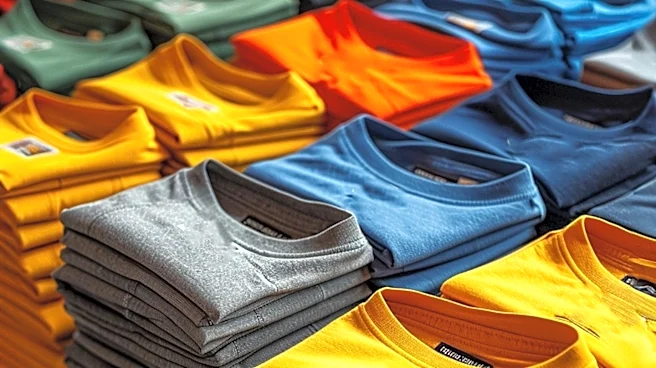
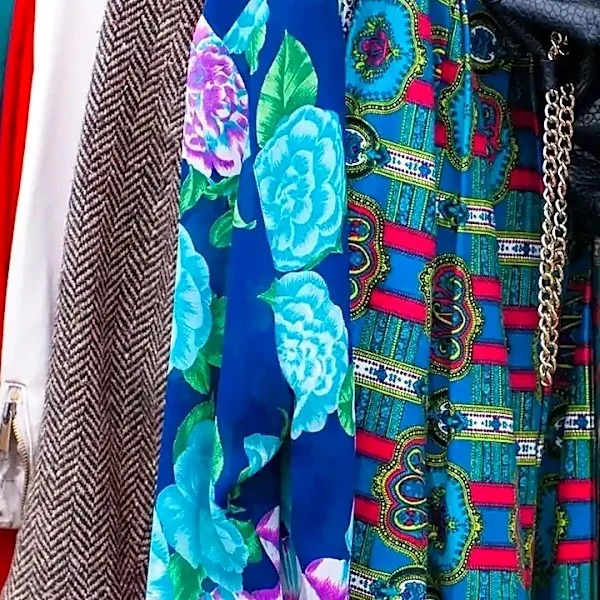
The 20th century flipped the script entirely. The rise of synthetic fibers like polyester and nylon, combined with massive advances in manufacturing, made fabric cheaper than ever before. The cost equation inverted: suddenly, it was more economical to use simpler patterns that were faster to sew, even if they used slightly more fabric. This shift gave rise to the fast fashion industry, which thrives on producing trendy, inexpensive clothing designed for rapid consumption. Global supply chains further drove down costs by outsourcing production to countries with cheaper labor. The result is an industry that produces around 80 billion new garments a year, many of which are worn only a handful of times before being discarded, a stark contrast to the 'make do and mend' philosophy of the past.