



Organza: The Architect of Air
Organza is the featherweight champion of high-impact style. It’s a sheer, plain-weave fabric known for its crisp, almost paper-like texture. Traditionally made from silk, modern versions often use synthetic fibers like polyester, which makes them more
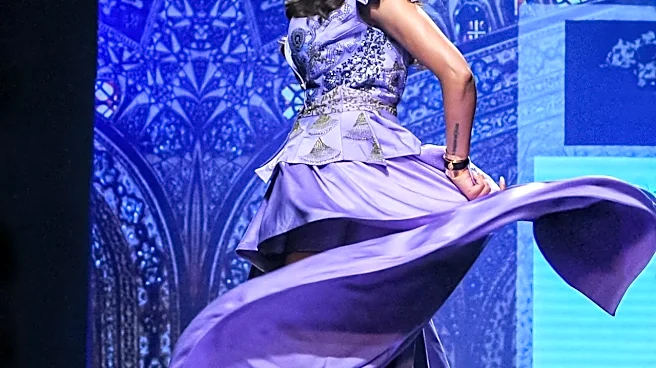
accessible. Its magic lies in a unique combination of being incredibly lightweight yet stiff. Unlike soft, flowing sheers like chiffon, organza holds its shape, allowing designers to build sculptural, voluminous silhouettes that seem to defy gravity. Think of huge, puffy sleeves, layered skirts that stand away from the body, and structured ruffles that don't collapse. This ability to create presence without heaviness is its signature. It offers drama through volume and light, creating an airy, ethereal effect that feels both romantic and modern.
Brocade: The Weight of Opulence
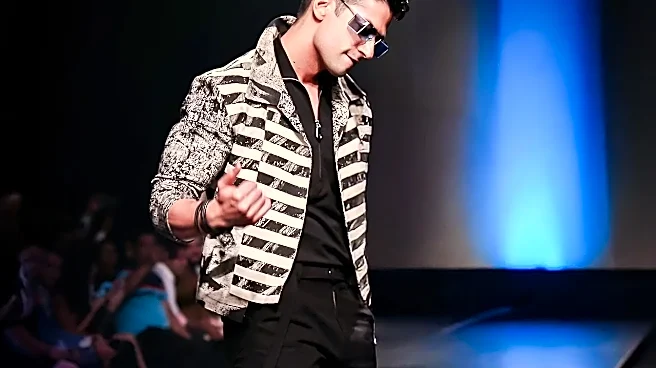
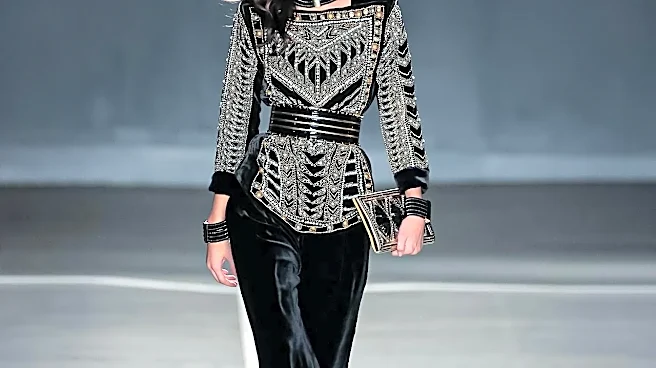
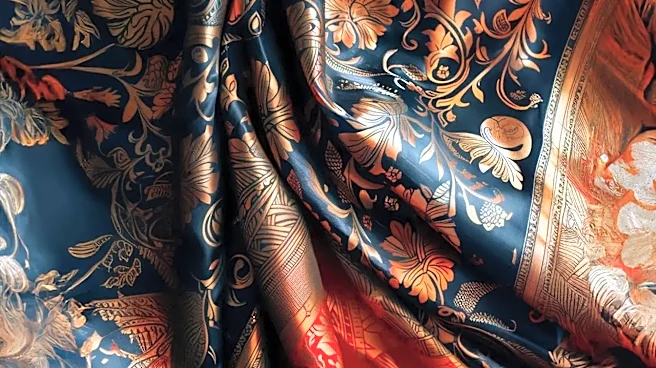
If organza is air, brocade is earth—rich, substantial, and steeped in history. Brocade is a class of richly decorative fabrics characterized by raised patterns woven directly into the textile, often using a Jacquard loom. Historically associated with royalty and nobility, it was a symbol of wealth and power, often incorporating silk with gold or silver threads. The patterns aren't printed or embroidered on top; they are integral to the fabric's structure, which gives brocade its signature textured, three-dimensional feel. This weaving process makes the fabric inherently heavy, stiff, and opaque. The drama of brocade comes from its sheer opulence—the intricate motifs, the interplay of textures, and the substantial weight that gives garments a regal, structured drape. It’s a fabric that announces its luxury through substance and a tactile, visual richness.
A Tale of Two Dramas
The choice between organza and brocade is a choice between two different expressions of drama. Organza’s drama is one of silhouette and illusion. It’s about creating shape, space, and a sense of weightlessness. A designer might use it for an overlay on a gown to add a cloud-like layer or for sleeves that become a focal point through their sheer volume. The fabric’s transparency allows for soft, layered color and lets light pass through, giving it a delicate, luminous quality. Brocade’s drama, in contrast, is rooted in its material presence. It commands attention with its rich patterns and inherent structure. You’ll see it used for formal evening gowns, tailored jackets, and statement pieces where the fabric itself is the main event. While an organza dress might float, a brocade gown makes a powerful, grounded statement, its weight and texture conveying a sense of timeless grandeur and formality.
On the Red Carpet and Beyond
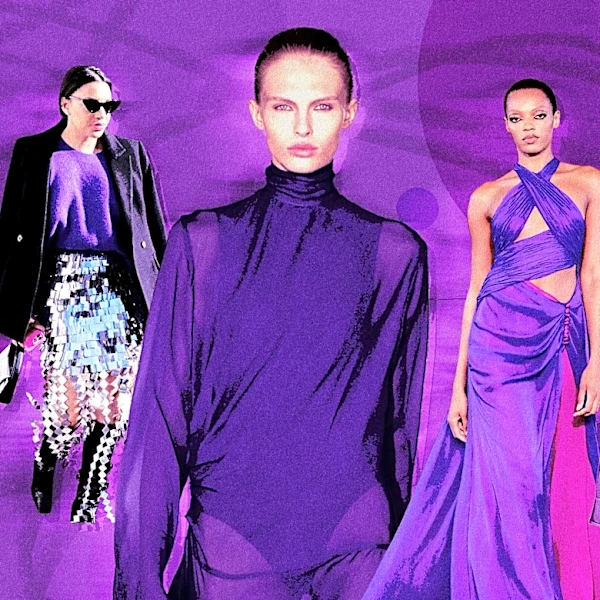
In modern fashion, both fabrics continue to have their moments. Organza frequently appears in bridal wear for its romantic feel and on the red carpet for looks that are grand yet feel light and effortless. Designers like Oscar de la Renta and Gucci have famously used brocade to create iconic pieces that feel both historical and strikingly modern, often seen in tailored suits and ornate evening wear. Organza, on the other hand, is a favorite for creating contemporary, architectural shapes that play with transparency and form. It's often used for statement pieces like blouses with sculpted details or dresses with dramatic, sheer panels. While one speaks of airy modernity and sculpted light, the other tells a story of lavish tradition and decorative splendor. Both prove that in the right hands, a textile is more than just cloth—it’s a statement.