


An Award Show Built for Fans
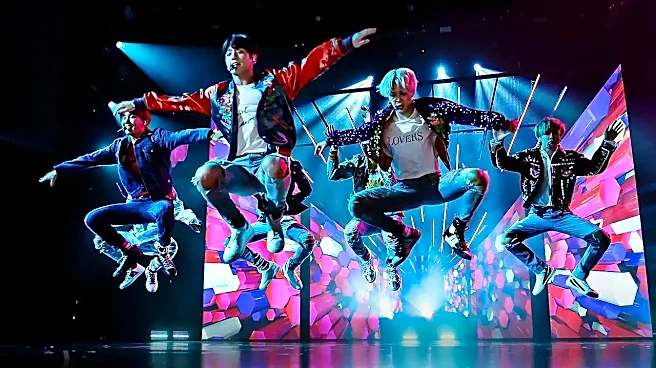
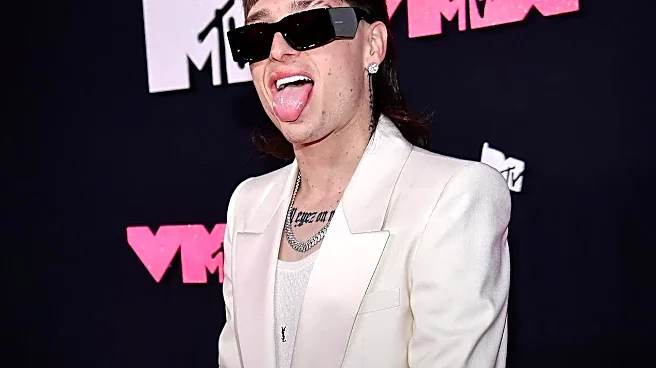
First, you have to understand that the MTV Video Music Awards aren't like the Grammys or the Oscars. Since its wild inception in 1984, the show has been less about quiet prestige and more about loud, unpredictable, pop culture-defining moments. From its earliest
days, it positioned itself as the voice of the youth. This fan-centric identity became official in 2006, when MTV opened up voting for all general categories to the public. Before that, a 'Viewer's Choice' award was a popular category, but the 2006 shift fundamentally changed the dynamic. Suddenly, a VMA wasn't just an industry award; it was a mandate from the people who actually stream the songs, buy the merch, and watch the videos on repeat. This history gives the awards a populist energy, making a win feel like a genuine reflection of fan devotion, not just the opinion of a mysterious voting academy.
The Power of a Parasocial Bond
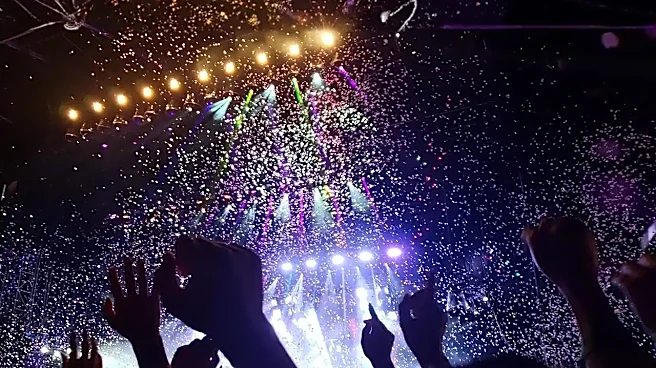
To understand modern fandom, you have to know about parasocial relationships. This is the psychological term for the one-sided bond people form with media figures. Thanks to social media, today's artists share 'day in the life' videos, host intimate livestreams, and reply directly to comments, creating a powerful illusion of friendship and intimacy. Fans feel like they know the artist personally, so their triumphs feel like a friend's triumph. This bond provides a sense of belonging and can even offer emotional support, making fans feel seen and understood by their favorite star. When that star wins an award they vocally campaigned for, the victory isn't just for the artist on stage; it's a shared emotional payoff for the thousands of fans who feel a genuine connection to them.
Fandom as an Organized Force
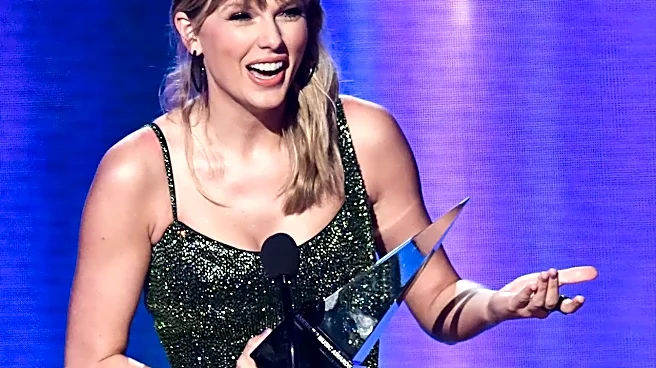
Superfan groups, or 'stans,' are some of the most organized communities on the internet. When VMA voting opens, it’s not a casual affair; it’s a full-blown campaign. Fandoms on platforms like X (formerly Twitter) and TikTok mobilize with military precision. They create voting schedules, share links, and encourage each other to vote across multiple accounts and platforms daily. A VMA win, especially in a major fan-voted category like Artist of the Year or Video of the Year, is seen as the direct result of this collective effort. It's tangible proof that their dedication, time, and organization paid off. The Moon Person trophy becomes a symbol of their collective power. When an artist thanks their fans in an acceptance speech—as stars like Taylor Swift and Ariana Grande consistently do—it reinforces this feeling that 'we' did this together.
A Win That Validates Everything
Ultimately, a VMA win serves as powerful validation. For the fan, it validates their taste, their emotional investment, and the countless hours they've spent supporting their favorite artist. In a world of endless content and subjective art, an award provides a rare, objective benchmark of success and cultural relevance. When their artist wins, it proves to the world—and to rival fandoms—that their choice was the 'right' one. This is especially true for artists who might be critical darlings but get overlooked by more traditional awards shows. A fan-voted VMA feels like a corrective, a moment where the people's voice is louder than the critics'. It's a public declaration that the music and the artist who mean so much to them personally also have a significant place in the wider culture.