




The Ticking Clock
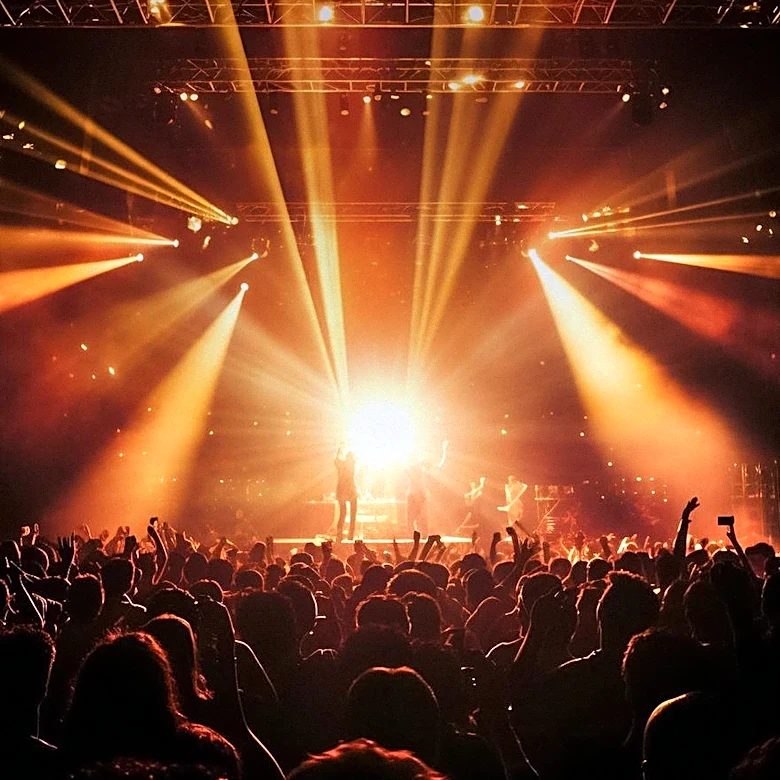
The most obvious constraint at a festival like ACL is time. Unlike a headlining tour show where a band might play for two or three hours, festival sets are ruthlessly tight, often clocking in at 45 to 75 minutes. This forces a complete rethinking of the
setlist. There's no room for indulgent deep cuts or long, meandering stories. Instead, artists have to be brutal in their curation, essentially creating a "greatest hits" experience. Slow-burn intros are trimmed, indulgent guitar solos might be cut, and the space between songs is often eliminated entirely to keep the momentum high. This condensed format pressures artists to present the most potent version of their catalog, creating a non-stop rush of energy that’s unique to the festival environment. Promoters, not the bands, usually determine the set length, forcing artists to adapt to their given slot.
The Battle for Attention
At a solo concert, an artist has a captive audience of dedicated fans. At a festival, they're competing for attention against a dozen other stimuli. There’s sound bleeding over from another stage, roving packs of friends deciding where to go next, and the general sensory overload of a massive outdoor event. Artists know they aren't just playing for their fans; they're auditioning for thousands of potential new ones who might be hearing them for the first time. This reality shapes the performance dramatically. The energy needs to be higher from the very first note. Tempos often get a slight bump, dynamics are exaggerated, and arrangements are tweaked to be more immediate and impactful. It’s about grabbing a distracted crowd by the collar and holding their attention. That's why festival sets often feel more urgent and energetic—it's a survival tactic.
Reimagining the Music
This is where the real artistry comes in. To solve the problems of time and attention, artists don't just play faster; they fundamentally alter their songs. Complex studio creations, with layers of electronics or orchestral parts, must be simplified or re-imagined for a live band on a stage with a quick changeover. Many bands create special festival-only medleys, weaving two or three songs together to pack more music into their limited time. They might add a new, extended intro to a well-known hit to build hype, or create a specific breakdown designed for audience participation—the ubiquitous call-and-response or mass singalong moment. These aren't just tricks; they are deliberate arrangement choices that transform a recorded track into a communal live event.
The Unexpected Upside
While these changes are born from necessity, they often result in arrangements that are arguably better—or at least, more viscerally exciting—than the album versions. Stripped of their studio polish and forced into a high-stakes, high-energy format, the songs are reduced to their strongest elements. The fat is trimmed, leaving only muscle. A mid-tempo album track can become a festival anthem when its tempo is pushed and its chorus is made bigger. A jam band that might normally explore a song for 15 minutes on tour might deliver a tight, explosive 5-minute version that wins over a whole new audience. These festival arrangements reveal the powerful, essential core of a song, delivering a direct, unforgettable punch that a more relaxed performance might soften.