


The Temple of Spectacle: BFI IMAX
There’s no denying the gravitational pull of the BFI IMAX. With the UK's largest screen—a staggering 85 feet wide and 65 feet tall—it’s an architectural and technical marvel designed for pure immersion. The state-of-the-art 4K laser projection and a 12-channel
sound system are built to overwhelm your senses in the best possible way. This is where scale helps. Epics, blockbusters, and visually dense films are transformed here. For the 2026 festival, think of a film like the sci-fi spectacle 'Behemoth!' or the documentary 'Everest: The Other Side'. These films, with their grand vistas and intricate soundscapes, don't just play on the IMAX screen; they inhabit it. The sheer size ensures every detail, from a vast mountain range to the complex design of a spaceship, is rendered with breathtaking clarity, making the viewing experience an event in itself.
When Bigger Isn't Better
But that same overwhelming scale can become a detriment. This is where scale hurts. A quiet, character-driven drama can feel lost on such a massive canvas. The intimacy of a close-up can feel invasive, even distorted, when stretched across a five-story screen. For films where the power lies in subtle glances, whispered dialogue, and contained emotions—like this year's 'Frank and Percy,' an adaptation of a West End play about two older men who form an unexpected bond—the IMAX can feel like the wrong tool for the job. The subtleties risk being flattened by the spectacle, and the emotional core of the narrative can be drowned out by the sheer vastness of the presentation. It’s like trying to appreciate a delicate watercolor painting from the front row of a stadium.
The Cinephile’s Sanctuary: BFI Southbank
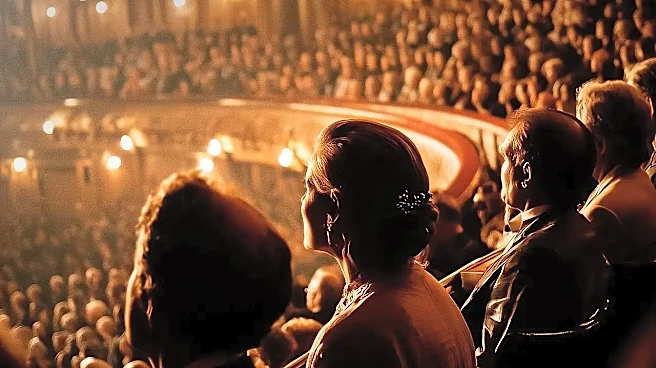
Just a short walk away sits the BFI Southbank, the festival's spiritual home. Its main auditorium, NFT1, offers a starkly different, yet equally valid, cinematic proposition. With around 450 seats and a screen that is large but not overpowering, it fosters a sense of intimacy and connection. The venue feels less like a temple of technology and more like a sanctuary for film lovers. This is the ideal environment for the festival's more nuanced fare. A complex psychological thriller like Florian Zeller's 'Bunker' or the Cannes Palme d'Or winner 'Fjord' thrive in this setting. The room’s acoustics and screen size are perfectly calibrated for films that rely on performance and atmosphere, allowing the audience to lean into the story without being dwarfed by it. The Southbank is also the hub for Q&As and Screen Talks with filmmakers like Danny Boyle and Sofia Coppola, reinforcing its reputation as a place for conversation and deep engagement with the art form.
Matching the Movie to the Room
Ultimately, the debate isn't about which venue is definitively 'better'. It's about which venue is right for the film you’re seeing. The BFI London Film Festival’s programming across both locations is a deliberate act of curation. Choosing the IMAX for a sprawling adventure and the Southbank for an intimate drama is part of the art of being a festival-goer. It’s an acknowledgment that the physical space where we watch a film is an integral part of the experience. The IMAX offers a visceral, full-body encounter with cinema, perfect for films designed to astound. The Southbank, by contrast, provides a more focused, cerebral experience, ideal for stories that demand close attention and emotional investment. The truly savvy attendee knows that the best screening is one where the scale of the room perfectly matches the scale of the story on screen.