



First, What Is Intentional Volume?
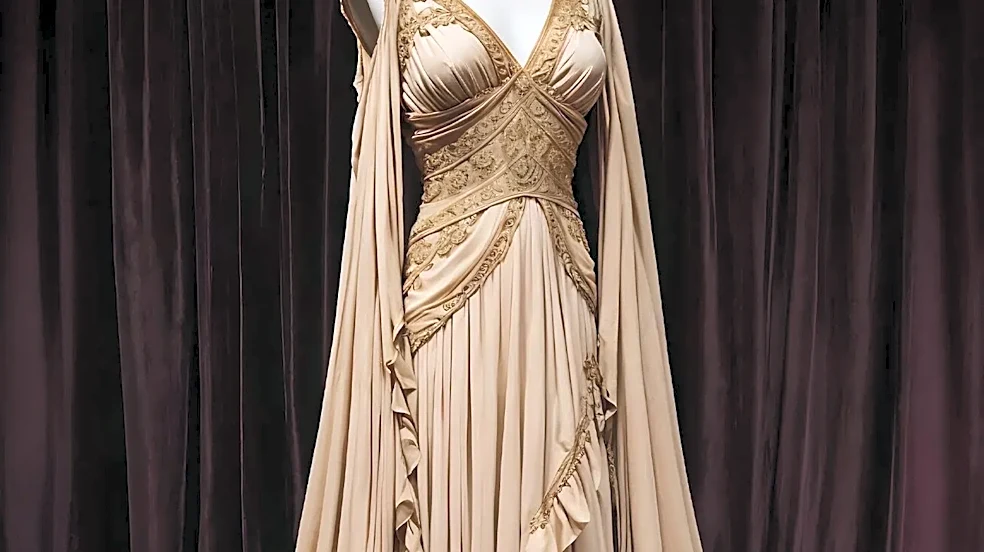
In fashion and costume design, volume is the deliberate use of space and shape to create a specific silhouette. Think of a classic ball gown, the exaggerated shoulders on a superhero costume, or the sweeping hem of a circle skirt. This isn't about just
making something 'big'. True volume is structured, purposeful, and often seems to defy gravity. It enhances the wearer's form or creates a new one entirely. It’s an architectural choice that adds drama and visual interest without overwhelming the person inside the costume. The goal is to create a shape that feels both impressive and intentional, guiding the eye and telling a story through form.
The Enemy: Uncontrolled Bulk
Uncontrolled bulk is what happens when fabric is added without a clear plan or underlying structure. It’s the clumsy, heavy, and often shapeless result of piling on material in the hope of creating size. Instead of a defined silhouette, you get a lumpy, unflattering form that swallows the wearer. This often occurs when using heavy fabrics inappropriately or gathering too much material at a single point, like the waist, without the right support. The key mistake is thinking that 'more fabric' equals 'more volume'. In reality, adding fabric without controlling it leads to a garment that looks and feels weighed down, not dynamic.
The Secret Weapon Is Structure
The fundamental difference between elegant volume and clumsy bulk is internal structure. Volume is almost never achieved with fabric alone; it relies on a hidden framework. This can take many forms, from historical techniques to modern innovations. Stiff materials like crinoline, horsehair braid, or buckram are traditionally used to build petticoats and line hems, forcing fabric to hold a specific shape. In modern cosplay, lightweight but rigid materials like EVA foam are used to build everything from armor to gravity-defying collars. Techniques like boning in a bodice or using interlining add support and shape from within. This internal engineering is what holds the outer fabric aloft, creating a light, airy volume instead of a dense, heavy mass.
Material and Method Matter
Your fabric choice is critical. Lightweight yet stiff fabrics are your best friends for creating volume without weight. Materials like organza, taffeta, and tulle are perfect because they hold their shape while remaining airy. You can layer them to build fullness that doesn't collapse under its own weight. In contrast, a heavy wool or denim will create volume, but it can easily turn into bulk if not balanced with more fitted elements. The method of creating fullness is just as important. Instead of simply gathering a rectangle of fabric at the waist (which creates bulk), designers use pattern-making techniques like 'slash and spread'. This method adds flare and fullness at the hem while keeping the waist or shoulder fitted, resulting in a cleaner, more intentional shape.
How to Achieve Volume, Not Bulk
To put it all into practice, focus on control. If you want a full sleeve, don't just use more fabric; use the slash and spread technique to add width strategically and control the gathers with a fitted cuff. For a full skirt, build a separate underskirt or petticoat with layers of netting or crinoline to provide support. This lifts the main fabric away from the body. Always consider the rule of opposites: balance a voluminous piece with something fitted. If you have a massive skirt, pair it with a tailored bodice. If your sleeves are huge, keep the torso sleek. This contrast ensures your silhouette remains defined and the volume you worked so hard to create becomes the star of the show.