



The Agony of the Spreadsheet
It begins with a screenshot. A grid of names and times, promising a weekend of pure bliss under the electric sky. But as your eyes scan the schedule for Friday, Saturday, and Sunday, a cold dread washes over you. There it is: your favorite trance legend
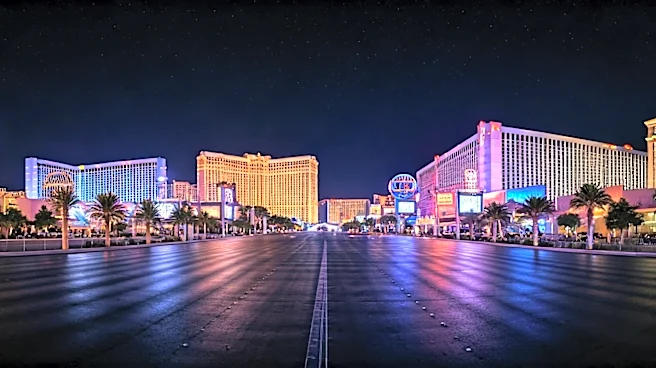
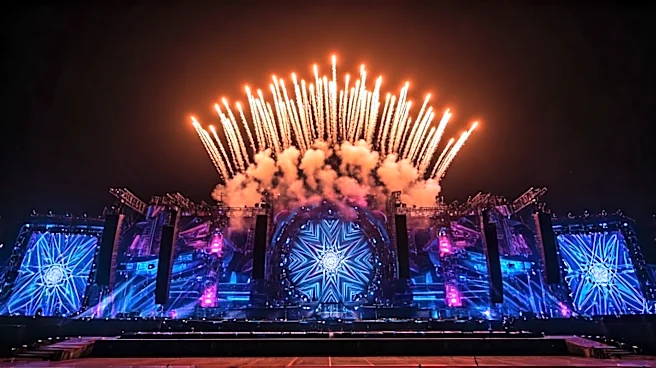
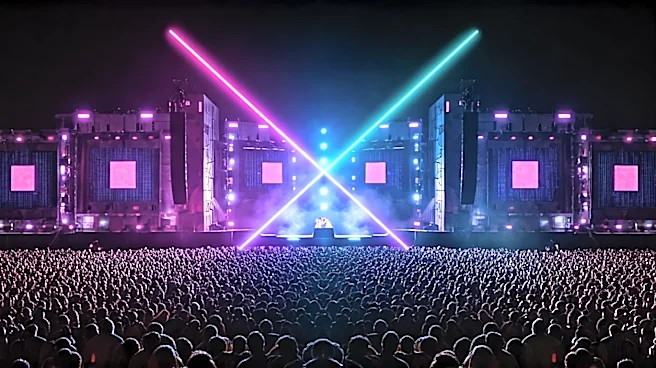
is playing at kineticFIELD at the exact same time the techno god you’ve been dying to see is holding court at neonGARDEN. A few lines down, two of the hottest house DJs on the planet are scheduled to throw down at cosmicMEADOW and circuitGROUNDS, their sets overlapping by a crucial 45 minutes. This isn’t just a scheduling conflict; it feels like a personal attack. This is the hidden drama of the mega-festival, a brutal Sophie’s Choice played out by hundreds of thousands of people navigating the sprawling Las Vegas Motor Speedway. The meticulously planned outfits and hydration packs are one thing; the emotional calculus of splitting your heart between two stages is another entirely.
An Unavoidable Logistical Nightmare
Before you curse the festival organizers at Insomniac Events, it’s important to understand the brutal math they’re up against. EDC Las Vegas is not a backyard party; it's a temporary city with a population larger than Provo, Utah. With over 200 artists performing across eight or more massive stages, overlaps aren't a bug—they're a fundamental feature of crowd management. Imagine if they weren't there. What if all the biggest headliners played one after another on the main stage? The resulting human traffic jam would be not only uncomfortable but dangerous. Spreading the marquee names across different stages and times is a crucial strategy for distributing the massive crowd. It prevents any single area from becoming dangerously overcrowded. Promoters also balance genres. They try to avoid putting two hardstyle acts on adjacent stages at the same time, forcing fans of that sound to choose. Instead, they’ll often pit a house DJ against a dubstep artist, hoping to appeal to different tastes and split the audience more evenly. It’s a thankless, high-stakes game of logistical Tetris.
The Great Squad Schism
The drama isn’t just internal; it’s social. The set-time conflict is the ultimate test of a festival squad’s cohesion. Suddenly, your perfectly unified group, bonded by matching Kandi bracelets and a shared love for the beat, splinters into factions. The negotiations begin, sounding like a high-stakes UN summit. “But we *have* to see the first 30 minutes of Tiesto!” one friend pleads. “No way, I’m not missing a single second of Subtronics’ set,” another declares, planting their flag firmly at the bassPOD. This is where friendships are forged and tested. Do you split up and meet later, risking a two-hour search for your friends in a sea of neon? Do you make a noble sacrifice, giving up your must-see artist for the sake of group unity? Or do you embrace the chaos and go rogue, embarking on a solo mission? Every choice has consequences, shaping your entire festival narrative and creating a unique path through the weekend that is yours and yours alone.
Embracing the Serendipitous Detour
Herein lies the secret wisdom of the festival veteran: The greatest tragedies can lead to the most beautiful discoveries. Being forced to abandon Plan A is often a ticket to an experience you never would have planned. Maybe, while walking from one conflicting set to another, you stumble upon a smaller art car stage where a DJ is playing the most life-affirming set you’ve ever heard. Maybe, by reluctantly following your friends to a set you were lukewarm about, you discover your new favorite artist. The pain of the overlap forces you off the beaten path. It shatters the illusion that you can control the weekend and see everything. In its place, it offers something more valuable: the element of surprise. The moments that truly define your EDC experience are rarely the ones you meticulously scheduled. They are the happy accidents, the spontaneous dance parties with strangers, and the unplanned detours that become the highlight of your entire year.