



Home Turf and Friendly Time Zones
For decades, the World Cup was a background event for most Americans, happening a world away at inconvenient times. Games in South Africa, Russia, or Qatar meant waking up at dawn or catching late-night replays. But in 2026, the tournament is coming home.
Co-hosted by the U.S., Mexico, and Canada, with marquee matches in cities like Los Angeles, Dallas, Miami, and New York/New Jersey, the world’s biggest sporting event will unfold squarely in American time zones. Suddenly, a group stage match isn't a 7 a.m. curiosity; it's a 3 p.m. drama kicking off just as the afternoon slump hits the Eastern Time Zone. A knockout game isn’t a pre-work affair but a prime-time event that bleeds into the end of the workday on the West Coast. This isn't just about convenience for fans; it's a fundamental shift in the event's presence. Instead of being an abstract tournament happening 'over there,' it will be a tangible, local, and daily phenomenon, with kick-off times perfectly aligned with the rhythms of the American workday.
America’s Soccer Explosion
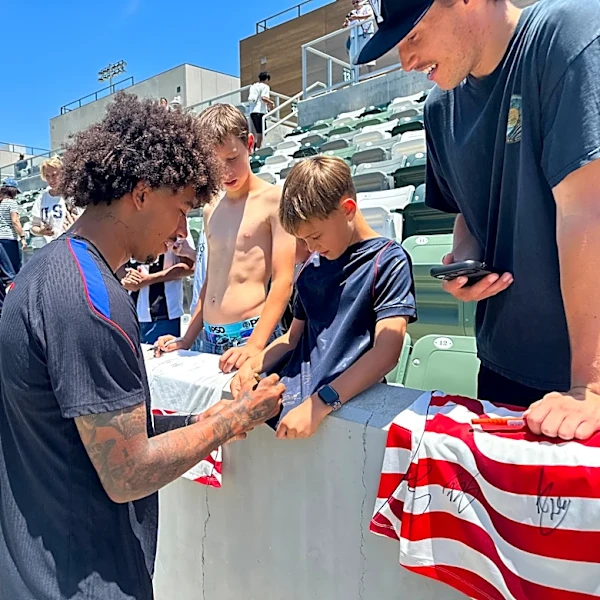
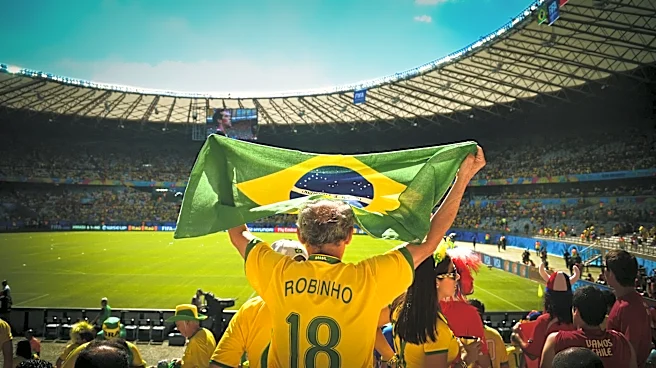
This isn't your father's World Cup, because this isn't your father's American sports landscape. The slow-burn growth of soccer in the United States has finally ignited into a full-blown blaze. Viewership for the 2022 World Cup final smashed records, with an estimated 26 million people tuning in across English and Spanish broadcasts in the U.S. alone. That’s Super Bowl-level territory for a sport once considered a niche interest. Fueling this is a demographic sea change. For younger Americans—Millennials and Gen Z—soccer isn't a foreign curiosity; it's a cultural staple, on par with basketball or football. They grew up playing FIFA on video game consoles and following European leagues on their phones. Add in the continued growth of MLS and the star power of the U.S. Men's National Team's young core, and you have a massive, engaged audience that will not be willing to simply 'check the scores later.' For millions, this isn't just a sporting event; it's the cultural centerpiece of their summer.
The New World of Work
The single biggest factor amplifying this disruption, however, has nothing to do with soccer. It's the radical transformation of the American office itself. The pre-pandemic model of 100% in-office work created natural barriers to daytime sports viewing. You might huddle around a small TV in the breakroom, but widespread, prolonged distraction was difficult. Enter the hybrid and remote work era. By 2026, a significant portion of the white-collar workforce will be operating from home, at least part of the time. This doesn't just make it easier to watch a game; it makes it nearly frictionless. The 'second screen' phenomenon will be in full effect: a Zoom call on the main monitor, and a crucial match streaming on the iPad next to it. The temptation to tune in won't require sneaking away from a cubicle; it will be a constant, accessible presence in the home office. This decentralized, unmonitored viewing environment is the game-changer that past events like the Olympics or even previous World Cups never contended with on this scale.
A Collision of Culture and Commerce
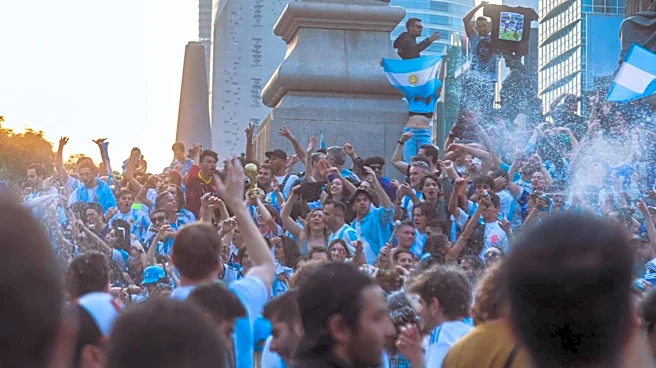
When you combine these three forces, the picture becomes clear. You have the world's most popular event, taking place on home soil during business hours, for a newly soccer-obsessed nation, in an era where millions of employees can watch from their desks with little to no supervision. It's a perfect storm for a month-long dip in productivity. This isn't like the Super Bowl, which is a one-day event largely outside work hours. It's not like March Madness, where games are frequent but the audience is more fragmented. And it's not like the Olympics, where the smorgasbord of events dilutes the focus. The World Cup is a singular, narrative-driven drama that builds over 39 days. Each day brings must-see matches with global consequences, creating a continuous, rolling distraction. The water cooler talk of yesterday will become the all-hands Slack channel debate of 2026, pulling focus and attention for the entire tournament.